
Posture Improvement Exercises: Correct Your Posture for Better Health

Source:https://images.squarespace-cdn.com

Modern lifestyles often involve long hours of sitting, screen use, and repetitive movements that place strain on the body. Over time, these habits can lead to slouched shoulders, forward head positioning, and lower back discomfort. Posture Improvement Exercises are designed to counteract these patterns by strengthening supportive muscles and restoring natural alignment. This article introduces the importance of posture, explains how targeted exercises support better alignment, and explores practical strategies to improve posture for long-term health and well-being.

Why Good Posture Is Essential for Overall Health

Posture refers to the way the body holds itself during sitting, standing, and movement. Proper posture allows bones, muscles, and joints to work efficiently, minimizing unnecessary stress on the body. When alignment is balanced, muscles are neither overworked nor underused, and internal systems such as breathing and circulation function more effectively.

Poor posture, on the other hand, can create a chain reaction of physical issues. Rounded shoulders may lead to neck tension and headaches, while excessive arching or flattening of the lower back can contribute to discomfort and reduced mobility. Over time, these imbalances may affect energy levels, focus, and even mood, as physical discomfort often influences mental well-being.

Beyond physical comfort, posture also plays a role in confidence and communication. Upright posture is often associated with alertness and self-assurance, while collapsed posture can reinforce feelings of fatigue or disengagement. Improving posture is therefore not only about preventing pain but also about supporting a healthier, more resilient body and mind.

How Targeted Exercises Support Postural Alignment

Exercises aimed at improving posture focus on two main goals: strengthening weak muscles and increasing mobility in tight areas. Many posture-related issues stem from muscle imbalances caused by prolonged sitting or repetitive activities. For example, chest muscles may become tight while upper back muscles weaken, pulling the shoulders forward.

Strengthening exercises help activate muscles responsible for holding the spine upright, such as the core, upper back, and gluteal muscles. At the same time, mobility and stretching exercises reduce stiffness in areas like the hips, chest, and neck, allowing the body to return to a more natural alignment.

Consistency is critical when working on posture. Small, regular efforts are more effective than occasional intense workouts. Over time, the body adapts to improved alignment, making good posture feel more natural and less forced. This gradual adaptation reduces strain and supports long-term improvements.

Key Movement Patterns That Improve Alignment

Effective posture-focused exercise routines emphasize specific movement patterns rather than isolated muscles. One important pattern is spinal extension, which counteracts the forward-bending posture common during sitting. Exercises that encourage gentle extension help restore the spine’s natural curves.

Scapular stability is another essential element. The shoulder blades play a major role in upper-body posture, and exercises that promote controlled retraction and downward movement support balanced shoulder positioning. This stability reduces neck strain and supports healthy arm movement.

Core engagement is equally important. The core muscles provide a stable foundation for the spine, especially during standing and movement. When these muscles are weak or inactive, the body often compensates by overusing the lower back or hip flexors, leading to discomfort. Core-focused movements help distribute load more evenly and support upright posture throughout daily activities.

Integrating Posture Awareness Into Daily Life

While exercise is a powerful tool, posture improvement also depends on daily habits. Awareness of body positioning during routine activities reinforces the benefits of physical training. Simple adjustments, such as aligning the ears over the shoulders while sitting or distributing weight evenly when standing, can significantly reduce strain.

Work and study environments deserve special attention. Chairs, desks, and screens should support neutral alignment rather than forcing awkward positions. Regular movement breaks prevent stiffness and allow muscles to reset. Even brief periods of standing or gentle stretching can help maintain alignment throughout the day.

Equally important is patience. Postural changes develop gradually, especially if poor habits have been present for years. Progress may be subtle at first, but consistent effort leads to noticeable improvements in comfort, mobility, and overall body awareness. Tracking small changes, such as reduced tension or improved balance, can help maintain motivation.

Improving posture is a proactive step toward better physical function, comfort, and long-term health. Through consistent movement, strength development, and daily awareness, the body can gradually return to a more balanced and efficient alignment. Posture Improvement Exercises provide a structured way to address modern postural challenges and support the body’s natural design. With commitment and mindful practice, better posture becomes not just an exercise goal, but a sustainable part of everyday life.


Guided Spiritual Journaling: How Writing Can Heal Your Spirit

Source:https://www.soulcare.com

In an age of constant stimulation and external noise, many people are searching for quiet, meaningful ways to reconnect with themselves. Guided Spiritual Journaling offers a reflective practice that combines intentional writing with inner exploration, helping individuals process emotions, clarify values, and nurture spiritual well-being. More than casual note-taking, this form of journaling provides structure and purpose, allowing writing to become a pathway toward healing, insight, and personal transformation. This article introduces the concept, explains how it supports spiritual healing, and explores practical ways to engage with the practice meaningfully.

The Connection Between Writing and Spiritual Healing

Writing has long been recognized as a tool for self-expression, but its deeper impact lies in its ability to externalize internal experiences. Thoughts and emotions that feel overwhelming in the mind often become more manageable once they are placed on paper. From a spiritual perspective, this process creates space for awareness, acceptance, and growth.

Spiritual healing does not necessarily relate to religion; instead, it involves aligning with one’s inner values, sense of purpose, and understanding of meaning. Writing encourages introspection, allowing individuals to examine beliefs, fears, hopes, and unanswered questions. Over time, this reflective process can lead to greater clarity and emotional balance.

Neuroscience also supports the healing power of writing. Structured reflection activates areas of the brain associated with emotional regulation and problem-solving. When writing is intentional and focused, it helps calm mental activity and promotes a sense of groundedness. This is particularly valuable during periods of stress, transition, or emotional fatigue.

What distinguishes spiritual journaling from ordinary journaling is the element of guidance. Prompts, themes, or reflective questions provide direction, helping writers move beyond surface-level events into deeper exploration. This guidance acts as a gentle framework that supports insight without forcing conclusions, allowing meaning to emerge naturally.

How Guided Reflection Transforms Inner Awareness

Spiritual journaling encourages individuals to slow down and listen inwardly. In daily life, reactions are often automatic, shaped by habits and external pressures. Reflective writing interrupts this cycle by creating intentional pauses for observation and understanding.

One of the most significant transformations occurs in self-awareness. As individuals write regularly, patterns begin to emerge—recurring emotions, repeated challenges, or consistent values. Recognizing these patterns fosters compassion and reduces self-judgment. Instead of reacting impulsively, individuals learn to respond with intention.

Another important aspect is emotional integration. Many people suppress or avoid difficult emotions, believing they are obstacles to spiritual peace. In reality, acknowledging and exploring these emotions is often essential to healing. Writing provides a safe, private space to explore feelings honestly without fear of external judgment.

Spiritual insight also develops through questioning. Thoughtfully designed prompts encourage writers to reflect on topics such as purpose, gratitude, forgiveness, and resilience. These reflections do not demand immediate answers; rather, they invite curiosity. Over time, this openness can lead to shifts in perspective that feel both subtle and profound.

Practical Ways to Begin a Journaling Practice

Starting a reflective writing practice does not require special tools or extensive preparation. What matters most is consistency and intention. Setting aside even ten minutes a few times a week can create meaningful impact over time.

Choosing a quiet, comfortable environment helps signal to the mind that this time is dedicated to reflection. Some people prefer to write at the beginning of the day to set intentions, while others find evening writing useful for processing experiences. There is no universally correct schedule; the best routine is one that feels sustainable.

Prompts can serve as valuable starting points. Questions such as “What am I learning about myself right now?” or “What feels out of alignment in my life?” encourage deeper exploration. It is important to approach these questions gently, allowing thoughts to unfold without pressure to reach conclusions.

Writing should remain honest and unedited. Grammar, structure, and style are irrelevant in this context. The purpose is expression, not performance. Over time, reviewing past entries can reveal growth and insight, reinforcing a sense of progress and continuity.

Equally important is self-compassion. Some sessions may feel deeply insightful, while others may seem repetitive or unclear. Both are valid parts of the process. Spiritual growth is rarely linear, and journaling reflects that natural ebb and flow.

Writing has the power to bridge the gap between thought and understanding, emotion and meaning. When approached with intention and openness, Guided Spiritual Journaling becomes more than a reflective habit; it becomes a supportive companion on the path toward inner healing. By creating space for awareness, emotional integration, and self-discovery, this practice nurtures a deeper connection to one’s inner life. Over time, the simple act of writing can gently guide the spirit toward clarity, balance, and renewed purpose.

Healthy Sleep Environment Setup: How to Create the Perfect Bedroom for Rest

Quality sleep is not determined by bedtime alone; it is deeply influenced by the space in which we sleep. A thoughtfully designed bedroom can support the body’s natural rhythms, reduce stress, and improve overall well-being. The concept of a Healthy Sleep Environment Setup focuses on aligning your surroundings with your biological and psychological needs for rest. This article introduces the importance of sleep-friendly spaces, explains how environmental factors affect sleep, and provides practical guidance for creating a bedroom that truly supports restorative rest.

Why the Sleep Environment Matters

Sleep is a biological process regulated by complex interactions between the brain, hormones, and external cues. Light exposure, noise levels, temperature, and even visual clutter can influence how quickly you fall asleep and how deeply you rest. When the sleep environment conflicts with these natural processes, the body may remain in a semi-alert state, making restorative sleep more difficult to achieve.

Modern lifestyles often blur the boundaries between rest and activity. Bedrooms double as workspaces, entertainment centers, and social hubs, which can confuse the brain’s association between the space and sleep. A well-designed sleep environment helps reestablish that connection, signaling to the brain that it is time to unwind and recover.

Research consistently shows that people who optimize their sleep environments experience better sleep quality, improved mood, and enhanced daytime performance. Over time, these benefits contribute to better physical health, emotional resilience, and cognitive functioning. Creating an effective sleep environment is therefore not a luxury, but a practical investment in long-term well-being.

Core Elements of an Ideal Bedroom

Designing a bedroom for sleep involves more than choosing a comfortable mattress. It requires attention to multiple sensory inputs that influence how the body relaxes and transitions into sleep. Each element should work together to create a calm, predictable, and supportive atmosphere.

One of the most important factors is consistency. When the bedroom environment remains stable night after night, the brain learns to associate it with rest. This consistency strengthens sleep cues, making it easier to fall asleep and stay asleep. Sudden changes, such as irregular lighting or disruptive noises, can interrupt this process.

Another key principle is simplicity. Overstimulating environments can increase mental activity at bedtime. Reducing visual clutter, minimizing electronic devices, and choosing calming colors can all help lower cognitive arousal. The goal is to create a space that feels safe, quiet, and intentionally designed for rest rather than productivity.

Comfort also plays a central role. Bedding, pillows, and furniture should support the body’s natural alignment and temperature regulation. Discomfort during sleep often leads to micro-awakenings that reduce sleep quality, even if the sleeper is not consciously aware of them.

Light, Sound, and Temperature Control

Among all environmental factors, light, sound, and temperature have the strongest influence on sleep quality. Managing these elements effectively can dramatically improve rest without requiring major lifestyle changes.

Light exposure directly affects the body’s internal clock. Bright or blue-toned light in the evening can suppress melatonin, the hormone responsible for sleep onset. Using dim, warm lighting in the hours before bed helps signal that nighttime has arrived. Blackout curtains or blinds can further reduce unwanted light from street lamps or early morning sun.

Sound is another critical consideration. While some people can sleep through noise, others are easily disturbed by even subtle sounds. Reducing environmental noise through insulation, soft furnishings, or consistent background sounds can create a more stable auditory environment. The key is predictability; sudden or irregular noises are more disruptive than steady, low-level sounds.

Temperature affects the body’s ability to regulate itself during sleep. As the body prepares for rest, core temperature naturally drops. A bedroom that is too warm can interfere with this process, leading to restlessness and frequent awakenings. Maintaining a cool but comfortable temperature supports the body’s natural sleep cycle and enhances overall sleep quality.

Maintaining a Sleep-Supportive Space Over Time

Creating a sleep-friendly bedroom is not a one-time task but an ongoing process. As seasons change and life circumstances evolve, the sleep environment may need adjustments. Regularly evaluating how the bedroom feels and functions can help maintain its effectiveness.

Habits also play a role in preserving the integrity of the sleep space. Limiting activities such as work, studying, or prolonged screen use in bed helps reinforce the mental association between the bedroom and rest. Simple routines, like tidying the space each evening or dimming lights at a consistent time, strengthen sleep cues over time.

It is equally important to consider emotional comfort. A bedroom should feel personally safe and relaxing. Elements such as familiar scents, soft textures, or meaningful but minimal décor can enhance emotional security without creating distraction. Emotional ease supports relaxation, which is essential for falling asleep naturally.

A well-designed bedroom does more than look appealing; it actively supports the body’s natural ability to rest and recover. By understanding how environmental factors influence sleep and making intentional adjustments, anyone can improve their nightly rest. A thoughtful Healthy Sleep Environment Setup creates a consistent, calming space that reinforces healthy sleep patterns over time. With attention to light, sound, comfort, and habit, the bedroom can become a powerful foundation for better sleep and overall well-being.

Therapeutic Approaches: Exploring Different Modalities for Healing

Source:https://www.brightquest.com

Healing is a deeply personal and multifaceted journey that goes beyond simply addressing symptoms. In today’s evolving healthcare and wellness landscape, Therapeutic Approaches encompass a wide range of methods designed to support emotional, psychological, and physical well-being. From traditional talk therapy to body-based and holistic practices, these approaches recognize that healing is not one-size-fits-all. This article introduces the concept of therapeutic modalities, explains how different approaches work, and explores how individuals and professionals can thoughtfully engage with them to support long-term healing and personal growth.

Understanding the Landscape of Healing

At its core, therapy is about creating change—whether that change involves reducing distress, improving functioning, or fostering deeper self-understanding. Over time, the definition of healing has expanded. Rather than focusing only on eliminating symptoms, modern therapeutic thinking emphasizes resilience, self-awareness, and balance across multiple areas of life.

Healing can be understood as a dynamic process involving the mind, body, emotions, and social environment. Psychological stress, unresolved trauma, and emotional patterns often manifest physically, while physical challenges can influence mental health. As a result, therapeutic work increasingly acknowledges the interconnected nature of human experience. This broader understanding has led to the development of diverse therapeutic modalities, each grounded in different theories about how healing occurs.

Cultural context also plays a significant role in shaping therapeutic practices. What is considered effective or acceptable therapy can vary widely across societies. Some cultures prioritize community and collective healing, while others emphasize individual insight and personal responsibility. Modern therapeutic frameworks often aim to be culturally sensitive, integrating respect for personal values, beliefs, and lived experiences into the healing process.

Major Categories of Therapeutic Modalities

Therapeutic modalities can be broadly grouped based on their focus and methods. While many approaches overlap, understanding these categories helps clarify how different therapies aim to support healing.

One of the most widely recognized categories is talk-based or cognitive therapies. These approaches focus on thoughts, beliefs, emotions, and behaviors. By examining patterns of thinking and emotional responses, individuals can gain insight into challenges and develop healthier coping strategies. These therapies are commonly used for stress management, emotional regulation, and personal development.

Another important category is behavioral and skills-based therapies. These focus on observable actions and practical tools rather than deep emotional exploration. The goal is often to build specific skills, such as communication, problem-solving, or emotional regulation, that can improve daily functioning. These approaches are especially useful in structured settings where measurable progress is important.

Body-centered therapies represent a different but increasingly valued category. These modalities recognize that the body stores experiences, including stress and trauma. Through movement, breathwork, posture awareness, or physical sensation, individuals learn to reconnect with their bodies and release tension. This category highlights the idea that healing does not occur only through intellectual understanding but also through physical experience.

Humanistic and relational therapies focus on the therapeutic relationship itself as a key agent of change. These approaches emphasize empathy, authenticity, and unconditional positive regard. Healing is seen as emerging from a safe, supportive connection in which individuals feel understood and accepted. Rather than directing or diagnosing, the practitioner acts as a guide who supports self-discovery.

Integrative and Emerging Practices

In recent years, integrative approaches have gained prominence. These practices combine elements from multiple therapeutic traditions to address the whole person rather than isolated symptoms. Integrative therapy may blend cognitive techniques with mindfulness, somatic awareness, or creative expression, depending on individual needs.

Emerging modalities also reflect advances in neuroscience and psychology. Greater understanding of how the brain processes emotion, memory, and stress has influenced therapeutic design. For example, therapies informed by neuroplasticity focus on the brain’s ability to change through repeated experiences and intentional practice. Similarly, trauma-informed approaches emphasize safety, choice, and empowerment, recognizing how past experiences shape present responses.

Creative and expressive therapies, such as art, music, or narrative-based work, are also becoming more widely accepted. These modalities offer alternative ways to process experiences that may be difficult to express verbally. They are particularly valuable for individuals who feel constrained by traditional talk-based methods.

Choosing the Right Path for Healing

Selecting a therapeutic modality is not about finding a universally “best” approach but about identifying what aligns with an individual’s goals, preferences, and circumstances. Factors such as personal comfort, cultural background, learning style, and the nature of the challenge all influence what may be most effective.

Flexibility is key in the healing process. Many individuals benefit from combining different modalities over time, adapting their approach as needs change. What works during one phase of life may not be as effective in another. Ongoing reflection and open communication with qualified professionals support this adaptive process.

It is also important to recognize that healing is rarely linear. Progress often involves periods of insight, challenge, and rest. Therapeutic work creates a structured space in which individuals can explore these phases safely and constructively. Patience, consistency, and realistic expectations are essential components of meaningful change.

Healing is a complex, evolving journey shaped by individual experiences, values, and needs. By exploring a wide range of methods, Therapeutic Approaches offer pathways that honor the interconnected nature of mind, body, and environment. Understanding these modalities empowers individuals to make informed choices and engage more actively in their own well-being. As therapeutic practices continue to evolve, their shared goal remains the same: to support sustainable healing, personal insight, and a more balanced, fulfilling life.

Mindful Breathing Exercises: Simple Practices to Calm Your Mind

In today’s fast-paced world, where distractions and stress are ever-present, it can be difficult to find moments of peace. Mindful breathing exercises are a powerful tool to help you slow down, reduce anxiety, and reconnect with the present moment. These simple practices involve focusing on your breath to center your thoughts and calm your mind. Whether you’re dealing with daily stress, feeling overwhelmed, or just looking for ways to relax, mindful breathing can offer a natural and effective solution. In this article, we will explore the benefits of mindful breathing exercises, how they work, and some simple techniques you can practice at home or on the go.

The Science Behind Mindful Breathing

Before diving into specific techniques, it’s important to understand why mindful breathing works. At its core, mindful breathing taps into the body’s natural ability to regulate itself. Breathing is one of the few bodily functions that can be consciously controlled, and this ability provides a powerful way to influence both the mind and the body.

When we experience stress or anxiety, our breath tends to become shallow, rapid, and irregular, which activates the body’s fight-or-flight response. This can lead to feelings of panic, nervousness, and tension. By practicing mindful breathing exercises, we intentionally slow down our breath, triggering the parasympathetic nervous system. This is the part of the nervous system responsible for “rest and digest” functions, which helps the body relax, lowers heart rate, and reduces stress hormones like cortisol.

In essence, mindful breathing brings us into the present moment, away from the worrying thoughts of the past or future, and encourages relaxation. Whether you’re dealing with stress, anxiety, or just want to promote mental clarity, mindful breathing exercises can provide a simple yet effective way to restore calm and focus.

Benefits of Mindful Breathing Exercises

Practicing mindful breathing on a regular basis can offer a variety of physical, mental, and emotional benefits. Below are some of the most significant advantages:

1. Reduces Stress and Anxiety

One of the most well-known benefits of mindful breathing exercises is their ability to reduce stress and anxiety. By focusing on slow, deep breaths, you can trigger your body’s relaxation response. This helps calm your nervous system and lower the physical symptoms of stress, such as elevated heart rate and muscle tension. Mindful breathing also helps prevent your mind from spiraling into anxious thoughts by focusing your attention on the present moment.

2. Improves Mental Clarity and Focus

Mindful breathing can help sharpen your mind and improve concentration. When you engage in deep, intentional breathing, it allows you to take a break from distractions, which can help clear mental fog and promote clarity. By regularly practicing mindful breathing exercises, you may find it easier to stay focused on tasks, make decisions, and manage your time more effectively.

3. Enhances Emotional Well-being

Mindful breathing not only helps with stress reduction but also promotes emotional regulation. It allows you to observe your emotions without judgment, creating space between feeling and reaction. This practice can help you better understand and manage your emotions, reducing impulsivity and reactivity. In turn, this can lead to improved mood, greater emotional resilience, and an overall sense of well-being.

4. Promotes Better Sleep

If you struggle with falling asleep or staying asleep, mindful breathing exercises may help. The relaxation techniques associated with deep breathing can activate your parasympathetic nervous system, promoting a calm and peaceful state. This can make it easier to unwind before bed and improve the overall quality of your sleep. In fact, practicing mindful breathing just before bedtime is an excellent way to prepare your body and mind for rest.

Simple Mindful Breathing Exercises to Try

Now that we’ve covered the benefits, let’s explore some simple mindful breathing exercises that you can incorporate into your daily routine. These practices are easy to do, require no special equipment, and can be practiced anywhere.

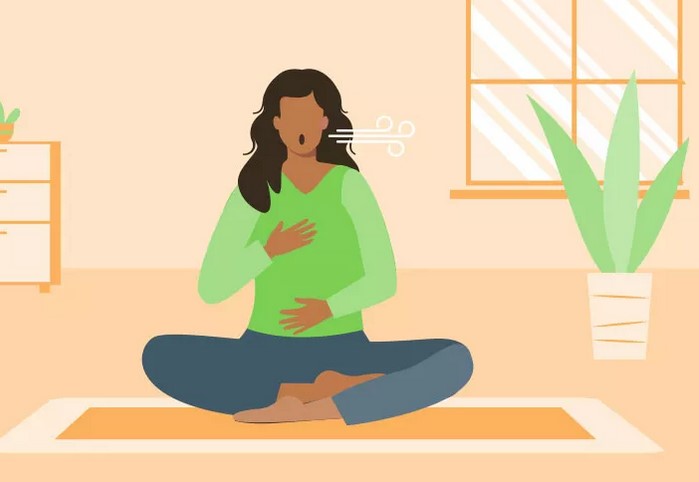
1. Deep Belly Breathing

Deep belly breathing, also known as diaphragmatic breathing, is a simple yet effective technique to activate the body’s relaxation response. This exercise helps slow the heart rate and promotes a sense of calm.

How to do it:

  • Sit or lie down in a comfortable position.
  • Place one hand on your chest and the other on your abdomen.
  • Inhale deeply through your nose, allowing your abdomen to rise (not your chest).
  • Hold the breath for a count of three.
  • Exhale slowly through your mouth, letting your abdomen fall.
  • Repeat this process for 5-10 minutes, focusing on the rise and fall of your belly with each breath.

This technique is perfect for reducing anxiety and stress in moments when you need a quick relaxation tool.

2. 4-7-8 Breathing

The 4-7-8 breathing technique is a simple, structured breathing pattern that helps activate the parasympathetic nervous system and promote relaxation. This technique is often used for managing stress, anxiety, and insomnia.

How to do it:

  • Sit comfortably with your back straight.
  • Close your eyes and inhale quietly through your nose for a count of 4.
  • Hold your breath for a count of 7.
  • Exhale slowly and completely through your mouth for a count of 8.
  • Repeat this cycle three to four times.

This breathing exercise is highly effective for calming the mind and body, making it an ideal practice for before bed or during moments of heightened stress.

3. Box Breathing (Square Breathing)

Box breathing, also known as square breathing, is another simple and effective technique to focus the mind and calm the body. This exercise involves breathing in four equal parts, much like tracing the sides of a square.

How to do it:

  • Sit upright in a comfortable position with your hands resting on your knees.
  • Inhale slowly and deeply through your nose for a count of 4.
  • Hold your breath for a count of 4.
  • Exhale slowly and completely through your mouth for a count of 4.
  • Hold your breath again for a count of 4.
  • Repeat the cycle for 5-10 minutes.

This exercise is especially useful for reducing stress and improving concentration, and it can be done anytime you need a moment of clarity.

4. Alternate Nostril Breathing

Alternate nostril breathing is a technique from yoga that helps balance the mind and calm the nervous system. It is particularly beneficial for reducing anxiety and promoting relaxation.

How to do it:

  • Sit comfortably with your spine straight and shoulders relaxed.
  • Using your right thumb, close off your right nostril.
  • Inhale deeply through your left nostril.
  • Close your left nostril with your right ring finger, and exhale through your right nostril.
  • Inhale deeply through your right nostril.
  • Close your right nostril with your right thumb and exhale through your left nostril.
  • Repeat for 5-10 minutes.

This technique can be a great way to clear the mind and reduce stress, especially when you’re feeling overwhelmed or need to refocus.

Incorporating mindful breathing exercises into your daily routine can have a profound impact on your mental and physical health. These simple practices not only help reduce stress and anxiety, but they also improve focus, enhance emotional well-being, and promote better sleep. By dedicating just a few minutes each day to mindful breathing, you can cultivate a sense of calm and presence in your life. Whether you practice deep belly breathing or experiment with other techniques like 4-7-8 breathing or alternate nostril breathing, the key is consistency. Start today, and experience the transformative power of mindful breathing for yourself.

Sleep Disorders: Understanding the Causes and Solutions

Source:https://www.entconsultant.ae

Sleep is a fundamental aspect of human health and well-being. However, millions of people around the world struggle with various sleep disorders that disrupt their ability to rest and recover each night. These disorders can affect people of all ages, from children to the elderly, and can lead to a range of physical and mental health issues if left untreated. In this article, we will explore the different types of sleep disorders, their causes, and some effective solutions to manage and alleviate these conditions.

What Are Sleep Disorders?

Sleep disorders are conditions that affect the ability to fall asleep, stay asleep, or experience restful sleep. They can be temporary or chronic and may significantly interfere with an individual’s daily functioning. Common sleep disorders include insomnia, sleep apnea, restless leg syndrome, and narcolepsy. While these conditions can vary in severity, they all share the common characteristic of disrupting normal sleep patterns, which can have serious consequences for a person’s physical, mental, and emotional health.

Types of Sleep Disorders

There are numerous types of sleep disorders, each with unique symptoms and potential causes. Below, we will discuss some of the most common and well-known sleep disorders:

  1. Insomnia
    Insomnia is one of the most prevalent sleep disorders, characterized by difficulty falling asleep, staying asleep, or waking up too early. People with insomnia often experience daytime fatigue, irritability, and difficulty concentrating. This disorder can be caused by stress, anxiety, poor sleep hygiene, or certain medications. Chronic insomnia may also be linked to underlying health conditions such as depression or hormonal imbalances.
  2. Sleep Apnea
    Sleep apnea is a disorder where a person experiences brief interruptions in their breathing during sleep. This often leads to fragmented sleep and a decrease in oxygen levels, resulting in daytime sleepiness and fatigue. There are two main types of sleep apnea: obstructive sleep apnea (OSA), which occurs when the airway becomes blocked, and central sleep apnea, where the brain fails to signal the body to breathe. People with sleep apnea may experience loud snoring, choking sensations, and frequent awakenings throughout the night.
  3. Restless Leg Syndrome (RLS)
    Restless Leg Syndrome is a neurological condition that causes an uncontrollable urge to move the legs, usually accompanied by uncomfortable sensations such as tingling or itching. These sensations often occur when a person is at rest, particularly in the evening or during sleep. RLS can lead to difficulty falling asleep and staying asleep, as the discomfort prompts individuals to move their legs frequently throughout the night.
  4. Narcolepsy
    Narcolepsy is a chronic sleep disorder characterized by excessive daytime sleepiness, even after a full night of sleep. People with narcolepsy may experience sudden “sleep attacks,” where they fall asleep unexpectedly during the day. In some cases, narcolepsy is accompanied by cataplexy, which is a sudden loss of muscle strength triggered by emotions such as laughter or excitement. This condition is often due to a dysfunction in the brain’s regulation of sleep-wake cycles.
  5. Circadian Rhythm Disorders
    Circadian rhythm disorders occur when a person’s internal biological clock is out of sync with their external environment. This can lead to sleep disturbances, particularly in people who work irregular shifts or travel frequently across time zones. Examples of circadian rhythm disorders include shift work sleep disorder and jet lag. These conditions can make it difficult to maintain a consistent sleep schedule and may result in fatigue, irritability, and poor performance at work or school.

Causes of Sleep Disorders

The causes of sleep disorders are diverse and can range from lifestyle factors to underlying medical conditions. Understanding the root cause of a sleep disorder is crucial in finding the right treatment. Below are some of the most common causes:

1. Stress and Anxiety

Chronic stress and anxiety are among the most common causes of insomnia and other sleep disorders. When the mind is preoccupied with worries or anxieties, it becomes difficult to relax and fall asleep. High levels of cortisol, the stress hormone, can also disrupt sleep by keeping the body in a heightened state of alertness. Addressing the source of stress and practicing relaxation techniques can help mitigate the impact of anxiety on sleep.

2. Lifestyle Factors

Poor sleep hygiene, such as irregular sleep schedules, excessive caffeine consumption, and the use of electronic devices before bed, can contribute to sleep disturbances. Additionally, lifestyle choices like lack of exercise, smoking, and alcohol consumption can also affect sleep quality. Making adjustments to daily habits can often result in significant improvements in sleep quality.

3. Health Conditions

Chronic health conditions such as depression, diabetes, obesity, and heart disease can contribute to sleep disorders. For instance, people with depression may experience disruptions in their sleep patterns, while those with obesity are at a higher risk of developing sleep apnea. Similarly, certain medications used to treat health conditions can interfere with sleep, either by causing drowsiness or stimulating wakefulness.

4. Age-Related Changes

As people age, they often experience changes in their sleep patterns. Older adults may find it more difficult to fall asleep and may wake up more frequently during the night. Additionally, older adults are more likely to suffer from sleep disorders such as sleep apnea or restless leg syndrome. These age-related changes can be exacerbated by other health conditions or medications.

Solutions to Sleep Disorders

While sleep disorders can be frustrating, there are many effective solutions available to improve sleep quality and restore healthy sleep patterns. Below are some common treatments and strategies:

1. Cognitive Behavioral Therapy for Insomnia (CBT-I)

Cognitive behavioral therapy for insomnia (CBT-I) is a type of therapy that focuses on changing negative thought patterns and behaviors related to sleep. It helps individuals address the root causes of insomnia and develop healthier sleep habits. Studies have shown that CBT-I is an effective treatment for both short-term and chronic insomnia.

2. Sleep Apnea Treatment

For individuals with sleep apnea, continuous positive airway pressure (CPAP) therapy is often the first line of treatment. This involves wearing a mask over the nose or mouth during sleep to keep the airway open. In some cases, lifestyle changes such as weight loss, smoking cessation, and sleeping on one’s side can help alleviate symptoms. Surgery may also be considered in severe cases of sleep apnea.

3. Medications

In some cases, medications may be prescribed to treat sleep disorders. For example, doctors may prescribe sedatives or sleep aids to help people with insomnia fall asleep. However, medications are typically recommended for short-term use, as they can be habit-forming and may not address the underlying cause of the sleep disorder.

4. Lifestyle Changes

Implementing good sleep hygiene practices is essential for improving sleep. This includes establishing a consistent sleep schedule, creating a relaxing bedtime routine, avoiding caffeine and heavy meals before bed, and limiting screen time in the evening. Regular physical activity and stress management techniques, such as meditation or yoga, can also improve sleep quality.

Sleep disorders can have a profound impact on an individual’s quality of life, leading to physical and mental health challenges. Understanding the causes of sleep disorders and exploring effective treatments is essential for managing these conditions. By adopting healthy sleep habits, seeking professional treatment, and addressing any underlying health issues, individuals can improve their sleep and overall well-being. If you or someone you know is struggling with a sleep disorder, it is important to consult with a healthcare professional to find the right solution tailored to your needs.