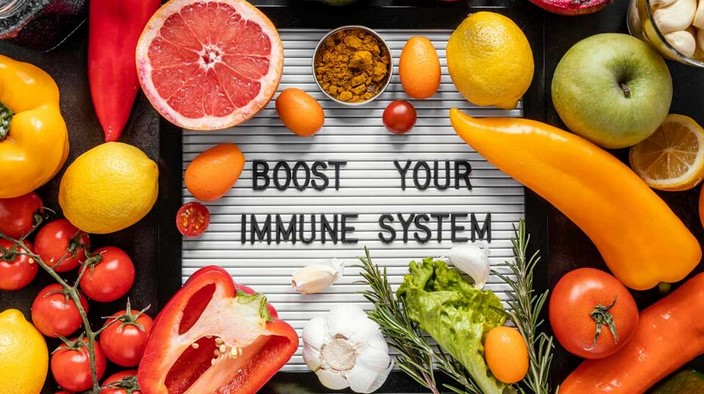
It is 6:00 AM on a freezing Monday morning. You wake up with a subtle scratchiness at the back of your throat, a heavy forehead, and an unmistakable sense of dread. You have a massive presentation at 2:00 PM, but your body is threatening to shut down completely. In a rush of panic, you sprint to the local pharmacy, grab a giant bottle of 1,000mg Vitamin C fizzy tablets, chug three glasses, and pray for a biological miracle.
Over my ten years as a health writer analyzing clinical trials and working alongside immunologists, I have seen this exact panic-driven scenario play out every single winter. Most people view immune health like a light switch—something you flip on with a mega-dose of supplements the moment you feel a tickle in your throat.
Understanding vitamins for immunity is about recognizing that your defense system isn’t a single switch; it is a complex, multi-layered security grid. You cannot build a bulletproof shield overnight, but by consistently fueling your body with the right micronutrients, you can train your immune cellular machinery to detect, neutralize, and eliminate pathogens before they take hold.
How Your Immune System Actually Fights: Innate vs. Adaptive Security
To understand why specific nutrients matter, we need to take a quick look under the biological hood.
Think of your immune system like a home security network. Your skin and mucosal linings are the physical walls and locked doors. Your innate immune system (featuring neutrophils, natural killer cells, and macrophages) acts as the 24/7 security guards patrolling the perimeter—they react instantly to any intruder, even if they haven’t seen that specific pathogen before.
Your adaptive immune system (featuring T-cells and B-cells) represents the high-tech forensic unit. They analyze the enemy’s exact molecular signature, create targeted antibodies, and remember the intruder for decades so you don’t get sick from the exact same bug twice.
+------------------------------------+---------------------------------------------------------------+
| Immune Component                   | Key Micronutrient Dependencies                                |
+------------------------------------+---------------------------------------------------------------+
| Epithelial Barriers (Skin/Gut)     | Vitamin A, Vitamin C, Zinc                                    |
| Innate Response (Phagocytes/NK)    | Vitamin C, Vitamin D, Selenium                                |
| Adaptive Response (T & B Cells)    | Vitamin D, Vitamin B6, Vitamin B12, Folate                    |
| Antioxidant Defense (ROS Control)  | Vitamin E, Vitamin C, Glutathione precursors                  |
+------------------------------------+---------------------------------------------------------------+
Without adequate micronutrients, these cellular guards become sluggish, communication breaks down, and minor infections easily bypass your outer defenses.
The Core Players: Essential Vitamins for Immunity Explained
While dozens of trace elements play supporting roles, a few key vitamins act as master regulators of human immunocompetence.
1. Vitamin D3 (The Master Immune Regulator)
-
What It Does: Far more than a simple vitamin, D3 functions as a steroid hormone receptor modulator. It stimulates the production of cathelicidin and defensins—naturally occurring antimicrobial peptides that puncture the outer membranes of bacteria and viruses.
-
Clinical Insight: In bio-monitoring studies, individuals with severe Vitamin D deficiency (under 20 ng/mL) suffer from significantly higher rates of upper respiratory tract infections.
-
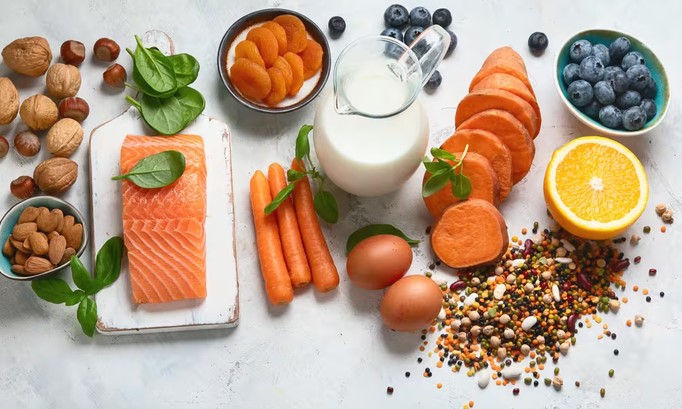
Top Sources: Direct sunlight exposure (UVB), wild-caught fatty fish (salmon, mackerel), egg yolks, and high-quality D3/K2 supplements.
2. Vitamin C (The Cellular Shield and Recycling Engine)
-
What It Does: Vitamin C concentrates heavily inside white blood cells (leukocytes), where it fuels their rapid movement toward infection sites (chemotaxis). It also acts as a potent antioxidant, protecting immune cells from being damaged by the oxidative spray they use to destroy pathogens.
-
Top Sources: Bell peppers (which contain more Vitamin C than oranges!), kiwi, strawberries, broccoli, and acerola cherries.
3. Vitamin A (The Mucosal Border Guard)
-
What It Does: Often called the “anti-infective vitamin,” Vitamin A maintains the structural integrity of the mucosal linings in your respiratory tract, digestive canal, and eyes. It also regulates the differentiation of regulatory T-cells.
-
Top Sources: Pre-formed Vitamin A (retinol) from beef liver, wild salmon, and butter; provitamin A (beta-carotene) from sweet potatoes, carrots, and dark leafy greens.
4. Vitamin E (The Membrane Protector)
-
What It Does: Vitamin E is a fat-soluble antioxidant that embeds itself directly inside the lipid membranes of immune cells. It prevents lipid peroxidation, keeping T-cell membranes flexible and responsive as you age.
-
Top Sources: Sunflower seeds, almonds, hazelnuts, and cold-pressed extra virgin olive oil.
5. B-Complex Vitamins (B6, B9, B12: The Cellular Factory Drivers)
-
What It Does: Vitamins B6 (pyridoxine), B9 (folate), and B12 (cobalamin) drive the rapid cell division required when your body needs to clone millions of new T-cells during an active infection.
-
Top Sources: Poultry, grass-fed beef, eggs, chickpeas, and nutritional yeast.
Synergistic Co-Factors: Why Vitamins Don’t Work Alone
A major mistake many consumers make is isolating single vitamins while ignoring their vital mineral co-factors. Micronutrients work in tight biochemical cascades:
                  +-----------------------------------+
                  |            Vitamin D3             |
                  +-----------------+-----------------+
                                    |
                                    v  (Requires Magnesium for activation)
                  +-----------------+-----------------+
                  |      Active Calcitriol [1,25(OH)2D] |
                  +-----------------+-----------------+
                                    |
                                    v  (Directs Calcium away from arteries)
                  +-----------------+-----------------+
                  |           Vitamin K2              |
                  +-----------------------------------+
-
Zinc: Essential for T-cell development and viral replication inhibition. Pair Zinc with Vitamin C for optimal mucosal protection.
-
Magnesium: Required by liver and kidney enzymes to convert inactive storage Vitamin D into active calcitriol. Without magnesium, high-dose Vitamin D stays largely dormant.
-
Selenium: Works alongside Vitamin E to form glutathione peroxidase, a critical enzyme that neutralizes toxic hydrogen peroxide produced during immune battles.
Pro Tips & Hidden Warnings from a Health Insider
Pro Tip: Choose Vitamin D3 Over D2, and Always Pair with K2
If you choose to supplement, always pick Cholecalciferol (D3) rather than Ergocalciferol (D2)—D3 is up to 87% more effective at raising serum 25(OH)D levels. Furthermore, combine D3 with Vitamin K2 (MK-7). While D3 increases calcium absorption in your gut, K2 activates proteins like osteocalcin to deposit that calcium into bones rather than your soft arterial walls.
The Mega-Dose Flush Trap
Chugging 5,000mg of Vitamin C when you feel sick does not give you super-immunity; it mostly gives you diarrhea. The human intestine has a strict limit on Vitamin C transporter proteins (SVCT1). Once you pass roughly 500mg in a single dose, absorption efficiency drops below 50%, and the unabsorbed acid draws water into your bowel. Keep single doses around 250mg to 500mg spaced throughout the day instead.
A 4-Step Daily Routine to Optimize Your Immune Defenses
-
Test, Don’t Guess: Ask your physician for a 25-Hydroxy Vitamin D blood test. Aim for an optimal target range between 40 and 60 ng/mL rather than just squeezing past the minimum sufficiency line.
-
Build a Rainbow Plate: Eat at least two rich color groups per meal—orange carrots for beta-carotene, dark red berries for polyphenols, and green broccoli for Vitamin C and folate.
-
Prioritize Sleep as Your Primary Nutrient: No amount of supplements can replace deep, slow-wave sleep. Sleep deprivation decreases circulating natural killer cells by up to 70% in a single night.
-
Hydrate for Mucosal Integrity: Drink plenty of water throughout the day. Dehydration dries out the protective mucus layers in your nasal passages, allowing airborne viruses to latch onto epithelial cells easily.
Building resilience through key vitamins for immunity is a continuous lifestyle investment, not an emergency intervention. When you supply your body with the right raw materials every single day, your immune network stays sharp, balanced, and ready to defend you whenever threats arise.
What strategies or foods do you rely on to keep your immune system strong throughout the year? Drop your questions, personal routines, or favorite nutrient-packed recipes in the comments below!
 Every year, like clockwork, the office “bug” makes its rounds. You watch colleagues drop one by one, coughing, sneezing, and burning through their sick days. You stock up on vitamin C supplements, chug orange juice, and douse your hands in sanitizer, praying your defenses hold up. But what if the most powerful shield against that seasonal flu wasn’t sitting in your medicine cabinet, but waiting in your gym sneakers?