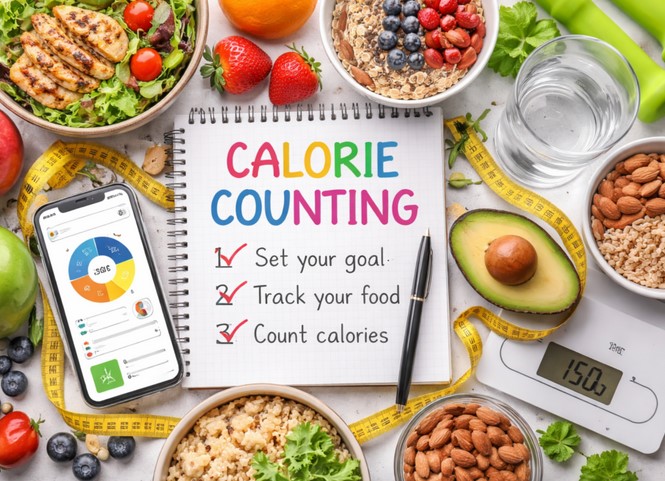
Calorie Counting: A Tool for Managing Weight and Health

Source:https://nadiahameed.com

I once worked with a client, Sarah, who was convinced she was “metabolically broken.” She ate organic, avoided gluten, and drank green juice every morning, yet the scale wouldn’t budge. When we finally sat down to track her intake for just three days, we discovered her “healthy” afternoon snack of almond butter and granola was clocking in at 800 calories—nearly half her daily requirement.

In my ten years of health coaching and clinical observation, I’ve seen this story a thousand times. People aren’t failing because they lack willpower; they are failing because they are flying a plane without a fuel gauge. Calorie counting is often maligned as obsessive or outdated, but when used correctly, it is the most objective “fuel gauge” we have for the human body.

The Budgeting Analogy: Why Calories Matter

Think of your daily energy needs like a financial budget. If you earn $2,000 a month but spend $2,500, you end up in debt. In biological terms, “debt” is stored as adipose tissue (fat). Conversely, if you spend less than you earn, you draw from your savings.

Calorie counting is simply the act of balancing your checkbook. It’s not about restriction or punishment; it’s about awareness. Most of us are “financial illiterates” when it comes to the energy density of our food. Tracking provides the data necessary to make informed trades—like deciding if that gourmet cupcake is worth the “cost” of a smaller dinner later.

Understanding the Science of Energy Balance

To use calorie counting effectively, you have to understand where those numbers come from. Your body doesn’t just burn fuel when you’re at the gym; it’s a 24/7 furnace.

1. Basal Metabolic Rate (BMR)

This is the energy your body requires just to keep the lights on—breathing, circulating blood, and cell repair. Even if you stayed in bed all day, you’d still burn a significant number of calories.

2. Total Daily Energy Expenditure (TDEE)

This is the “magic number.” It combines your BMR with your physical activity and the Thermic Effect of Food (TEF)—the energy required to digest what you eat. To lose weight, you must consume fewer calories than your TDEE. To gain, you consume more.

3. Macronutrients: Not All Calories are Created Equal

While a calorie is a unit of heat energy ($1\text{ kcal}$ is the energy needed to raise the temperature of $1\text{ kg}$ of water by $1^\circ\text{C}$), your body processes different sources differently.

  • Protein: High TEF, keeps you full.

  • Carbohydrates: Primary fuel for high-intensity movement.

  • Fats: Essential for hormone production and nutrient absorption.

The Strategic Benefits of Calorie Counting

In my practice, I’ve found that the psychological benefits of tracking often outweigh the physiological ones.

  • Eliminating Guesswork: Most people underestimate their calorie intake by 30% to 50%. Tracking brings the “invisible” calories (like the oil used for cooking or the cream in your coffee) into the light.

  • Flexibility: Unlike restrictive diets that ban entire food groups, calorie counting allows for “discretionary spending.” You can eat pizza, provided it fits within your daily energy budget.

  • Objective Troubleshooting: When a weight loss plateau hits, data allows us to adjust. Without a log, we are just guessing whether we need to move more or eat less.

[Image showing a comparison of 200 calories in different food types like broccoli vs. peanut butter]

How to Start Calorie Counting Without Losing Your Mind

If you’re a beginner, the thought of weighing every blueberry can feel overwhelming. I always tell my clients to start with a “Data-Only Phase.”

Step 1: Find Your Baseline

Use an online calculator to estimate your TDEE. Be honest about your activity level; most people overrate how much they move.

Step 2: Choose Your Tool

Digital apps like MyFitnessPal, Cronometer, or Lose It! have massive databases. They make calorie counting as simple as scanning a barcode.

Step 3: Weigh, Don’t Guess

This is where the “Expert Insight” comes in. A “tablespoon” of peanut butter measured with a regular dinner spoon is often actually two tablespoons. For the first two weeks, use a digital food scale. It’s eye-opening and provides the “calibration” your brain needs to eventually estimate portions accurately.

Technical Context: Vocabulary for the Intermediate Tracker

As you move beyond the basics, you’ll encounter these terms in the health community:

  • Caloric Density: The number of calories per volume of food. (e.g., spinach has low density; butter has high density).

  • Net Carbs: Total carbohydrates minus fiber and sugar alcohols.

  • Non-Exercise Activity Thermogenesis (NEAT): Energy burned through fidgeting, walking to the car, or standing—often more impactful than a 30-minute workout.

  • Energy Homeostasis: The complex biological process by which the brain and body regulate food intake and energy expenditure.

Expert Advice and Hidden Warnings

The “Hidden Warning”: Beware of “Ghost Calories.” Condiments, salad dressings, and liquid calories (soda, juice, alcohol) are the most common reasons why people fail at calorie counting. A “healthy” salad can easily jump from 300 to 800 calories with a few heavy pours of ranch dressing.

Tips Pro: Focus on “Volume Eating.” If you are hungry while in a calorie deficit, prioritize foods with high water and fiber content (like leafy greens, cucumbers, and berries). These allow you to eat a large volume of food for very few calories, tricking your stomach’s stretch receptors into feeling full.

Is Calorie Counting for Everyone?

I would be remiss if I didn’t mention that tracking isn’t a permanent lifestyle for everyone. For those with a history of disordered eating, the focus on numbers can be triggering.

However, for the average person looking to gain control over their health, I view calorie counting like training wheels on a bicycle. You use them to learn the balance of energy and portions. Eventually, you develop “intuitive eating” skills because you finally understand the value of what’s on your plate.

Summary: Data is Empowerment

We live in an environment designed to make us overeat—super-sized portions and hyper-palatable processed foods are everywhere. In this landscape, calorie counting is your shield. It moves you from a place of “hoping” for results to “knowing” you are on the right path.

It’s not about being perfect; it’s about being aware. When you know the numbers, you hold the power.

Have you ever tried tracking your food for a full week? What was the most surprising thing you discovered about your eating habits? Share your “lightbulb moment” in the comments below—I’d love to hear what surprised you most!

How Preventive Healthcare Coverage Can Save You Money

Source:https://maxwellclinic.com

I once sat across from a man named David, a hardworking contractor who hadn’t seen a doctor in eight years. He felt “fine,” until a sudden, crushing chest pain landed him in the ER. That “fine” feeling turned into a $45,000 hospital bill for an emergency stent—a bill that could have been avoided entirely if a $100 physical three years prior had caught his skyrocketing blood pressure.

In my decade of navigating the healthcare system, I’ve seen this tragedy play out hundreds of times. People avoid the doctor to “save money,” not realizing they are actually gambling with their life savings. Preventive healthcare coverage isn’t just a medical safety net; it is quite literally the best financial investment you will ever make.

The “Oil Change” of Human Biology

Think of your body like a high-end vehicle. You don’t wait for the engine to seize and smoke to pour out of the hood before you check the oil. You pay $50 for a routine oil change to avoid a $5,000 engine replacement.

Preventive healthcare coverage works on the exact same logic. It allows you to catch the “leaks” in your health while they are cheap and easy to fix. Whether it’s a routine screening, a vaccination, or an annual wellness exam, these services are designed to keep you out of the expensive “repair shop” (the hospital).

Why Most People Get It Wrong

The biggest misconception I encounter is that healthcare is only for when you are sick. In reality, the most expensive way to use your insurance is for reactive care. By the time symptoms appear, the “fire” is already burning. Preventive care is the smoke detector that goes off while you can still put out the flames with a glass of water.

How Preventive Healthcare Coverage Slashes Your Long-Term Costs

When we talk about saving money, we aren’t just talking about the doctor’s bill. We are talking about the “Hidden Costs of Illness”: lost wages, reduced productivity, and the astronomical price of chronic disease management.

1. Eliminating Out-of-Pocket Expenses for Screenings

Under many modern health plans, most preventive healthcare coverage is available at zero cost-sharing. This means no co-pays and no deductibles for specific services. You are essentially being handed a “free” service that can detect issues like high cholesterol, Type 2 diabetes, or certain cancers before they become catastrophic financial burdens.

2. Avoiding the “Emergency Room Trap”

The average ER visit cost in the U.S. now hovers around $2,500—and that’s a conservative estimate. Most ER visits for “unmanaged conditions” (like asthma or hypertension flare-ups) are preventable through consistent primary care. By utilizing your coverage for regular check-ups, you trade a possible $2,500 crisis for a $0–$30 office visit.

3. Lowering Insurance Premiums Over Time

Many employer-sponsored plans and private insurers offer “wellness credits” or lower premiums for individuals who participate in preventive screenings. They know that a healthy policyholder is a cheaper policyholder. By staying on top of your screenings, you are signaling to your insurer that you are a low-risk investment.

The High Cost of “Wait and See”

Let’s look at the data—the kind I’ve seen reflected in patient charts for years. Managing a chronic condition like Diabetes can cost an individual upwards of $16,000 per year in medical expenses.

Conversely, a preventive healthcare coverage plan that includes regular glucose monitoring and nutritional counseling can delay or even prevent the onset of the disease.

  • Vaccinations: Paying for a flu shot (or getting it free via insurance) prevents lost workdays that could cost you hundreds in wages.

  • Cancer Screenings: A colonoscopy or mammogram can catch abnormalities at Stage 0 or 1, where treatment is significantly cheaper and more successful than Stage 4 intervention.

  • Mental Health Check-ups: Preventive mental health care can reduce the likelihood of severe burnout or breakdowns that lead to long-term disability.

Technical Terms You Should Know (LSI Keywords)

To navigate your policy like a pro, you need to understand the lingo that insurers use. This helps you maximize your benefits without getting hit with “surprise bills.”

  • ACA-Compliant Plans: Plans that follow the Affordable Care Act rules, which mandate coverage for specific preventive services without charging you a co-pay.

  • Primary Care Physician (PCP): Your “quarterback” who manages your preventive schedule.

  • HSA (Health Savings Account): A tax-advantaged account you can use for health costs, often paired with high-deductible plans that still offer preventive benefits.

  • Wellness Exams: Comprehensive annual visits focused on prevention rather than treating a specific ailment.

  • Diagnostic vs. Preventive: This is the most important distinction. If a doctor finds something during a preventive screening and orders more tests, those subsequent tests often become “diagnostic” and may cost you money.

Pro-Tips and Hidden Warnings

The “Hidden Warning”: Be careful with the words you use during your “Free” Wellness Exam. If you walk in for a preventive check-up but spend the whole time talking about a new back pain or a specific skin rash, the doctor may code the visit as a “Diagnostic Office Visit.” This could trigger a co-pay you weren’t expecting. Keep your wellness exam focused on screenings and general health.

Expert Advice: Always check your “Evidence of Coverage” (EOC) document once a year. Insurance companies change their list of covered preventive services frequently. What was free last year might have new requirements this year.

Building a “Health Portfolio”

Think of your health like a retirement account. You wouldn’t wait until you’re 65 to start saving; you contribute small amounts consistently over decades. Preventive healthcare coverage is your contribution to your future self.

Every time you get your blood pressure checked, every time you get a skin cancer screening, and every time you update your vaccines, you are putting money back into your pocket. You are buying yourself more years of earning potential and fewer years of medical debt.

Summary: Your Wallet Will Thank You

In my experience, the wealthiest people aren’t those who can afford the best surgeons; they are the ones who never need a surgeon in the first place. By leveraging your preventive healthcare coverage, you move from a state of “financial fear” regarding your health to a state of “strategic management.”

Don’t wait for the “check engine” light to blink. Take control of your health today to ensure your financial future remains intact tomorrow.

When was the last time you checked your insurance portal for “Free Preventive Services”? You might be surprised at what you’re already paying for but not using. Log in today, schedule that physical, and start saving.

Do you have a question about what qualifies as preventive care? Leave a comment below, and let’s demystify your coverage together!

Low-Sugar Foods to Add to Your Diet for Better Health

Source:https://www.fitterfly.com

Excessive sugar consumption has become a major nutritional concern worldwide, contributing to rising rates of obesity, diabetes, cardiovascular disease, and metabolic disorders. As awareness grows, many individuals are seeking practical dietary changes that support long-term wellbeing without sacrificing satisfaction or balance. Low-Sugar Foods offer an effective solution by helping regulate blood glucose levels, reduce unnecessary calorie intake, and promote overall metabolic health. Incorporating these foods into daily meals is not about restriction, but about making informed choices that nourish the body and support sustainable healthy eating habits.

Understanding the Impact of Sugar on Health

Sugar plays a role in providing quick energy, but when consumed in excess, it can disrupt normal metabolic processes. Added sugars, commonly found in processed foods and sweetened beverages, contribute little nutritional value while increasing caloric intake. Over time, high sugar consumption can lead to insulin resistance, inflammation, and increased fat storage, particularly around the abdominal area.

Natural sugars found in whole foods such as fruits and dairy are different in their impact. These sugars are accompanied by fiber, protein, vitamins, and minerals that slow digestion and help maintain stable blood sugar levels. Understanding this distinction is essential when transitioning toward a lower-sugar diet. The goal is not to eliminate sugar entirely, but to reduce reliance on added sugars and prioritize whole, nutrient-dense foods.

Another important consideration is how sugar affects appetite and energy levels. Diets high in refined sugars often cause rapid spikes and drops in blood glucose, leading to fatigue, cravings, and overeating. In contrast, meals centered on low-sugar options support sustained energy and improved satiety, making it easier to maintain healthy eating patterns.

Key Categories of Low-Sugar Foods to Include

A wide variety of foods naturally contain little to no added sugar while offering essential nutrients that support overall health. Non-starchy vegetables are among the most valuable additions to a low-sugar diet. Leafy greens, broccoli, cauliflower, zucchini, and peppers are rich in fiber, antioxidants, and micronutrients while having minimal impact on blood sugar. These vegetables can form the foundation of meals, adding volume and nutritional density without excessive calories.

Protein-rich foods are another critical component. Lean meats, poultry, fish, eggs, legumes, and tofu provide essential amino acids and help stabilize blood glucose levels. Protein slows digestion and reduces the likelihood of sugar cravings by promoting fullness. Fatty fish such as salmon and sardines offer the added benefit of omega-3 fatty acids, which support heart health and reduce inflammation.

Healthy fats also play an important role in reducing sugar dependence. Foods such as avocados, nuts, seeds, and olive oil add flavor and satiety to meals without increasing sugar intake. Including healthy fats can help balance meals and reduce the desire for sweet snacks between meals.

Making Smart Choices with Fruits and Dairy

While fruits and dairy contain natural sugars, they can still be part of a low-sugar dietary pattern when chosen mindfully. Berries, such as blueberries, strawberries, and raspberries, are lower in sugar compared to tropical fruits and are high in fiber and antioxidants. Consuming whole fruits rather than fruit juices helps slow sugar absorption and supports digestive health.

Dairy choices should focus on unsweetened or plain options. Plain yogurt, kefir, and milk provide protein, calcium, and probiotics without added sugars. For those who prefer plant-based alternatives, unsweetened almond, soy, or oat milk can be suitable options. Reading labels is essential, as many flavored dairy and non-dairy products contain hidden sugars.

Practical Strategies for Reducing Sugar in Daily Meals

Successfully incorporating low-sugar foods into your diet requires practical strategies that fit everyday life. Meal planning is a powerful tool for reducing reliance on sugary convenience foods. Preparing meals and snacks in advance allows greater control over ingredients and portion sizes, making it easier to maintain consistent dietary habits.

Cooking at home also encourages healthier choices. Using herbs, spices, citrus, and natural flavor enhancers can reduce the need for sugar in recipes. Gradually adjusting taste preferences by reducing sweetness over time helps retrain the palate and makes naturally flavored foods more enjoyable.

Another effective strategy is mindful label reading. Added sugars can appear under various names, such as corn syrup, dextrose, or sucrose. Being aware of these terms helps consumers make informed choices and avoid unnecessary sugar intake. Replacing sugary snacks with whole-food alternatives, such as nuts, vegetables with hummus, or cheese, supports better blood sugar control.

In conclusion, adopting a diet that emphasizes whole, nutrient-dense options can significantly improve health outcomes and support long-term wellbeing. By prioritizing vegetables, lean proteins, healthy fats, and mindful selections of fruits and dairy, individuals can reduce their dependence on added sugars without sacrificing enjoyment. Integrating Low-Sugar Foods into daily meals is a practical and sustainable approach to improving energy levels, metabolic health, and overall quality of life.