
Reflexology Health Benefits: How This Therapy Supports Well-Being

Source:https://d2e5ushqwiltxm.cloudfront.net

You’ve spent eight hours on your feet, or perhaps squeezed into dress shoes that look great but feel like medieval torture devices. By the time you get home, your feet aren’t just tired—they feel “heavy,” throbbing with a dull ache that seems to radiate all the way up to your lower back. Most people reach for an aspirin or a hot soak. But what if the map to fixing that back pain, calming your racing mind, or even settling your digestion was literally printed on the soles of those aching feet?

In my twelve years of exploring integrative medicine, I’ve transitioned from a skeptic to a staunch advocate of foot therapy. I remember my first professional session: the therapist pressed a specific spot on my inner arch, and I felt a strange, cooling sensation in my mid-back—the exact spot where I’d been carrying a knot for weeks. It wasn’t magic; it was the biological “switchboard” of the body in action.

The Reflexology Health Benefits we discuss today go far beyond a simple foot massage. We are talking about a sophisticated system of manual therapy that taps into the nervous system to encourage the body’s self-healing mechanisms.


The “Circuit Breaker” Analogy: How Reflexology Works

To understand reflexology, think of your body as a complex smart home. When a light goes out in the attic (your head) or the heater fails in the basement (your digestion), you don’t always have to go to that specific room to fix it. Instead, you go to the breaker box in the garage.

In this analogy, your feet, hands, and ears are the breaker boxes. By applying pressure to specific “reflex points,” a therapist sends an electrochemical signal through the peripheral nervous system to the central nervous system. This signals the brain to adjust the “current” (blood flow and energy) to the corresponding organ or zone.


The Core Reflexology Health Benefits for Modern Living

While the practice is ancient, the modern clinical applications are more relevant than ever. Here is how this therapy specifically supports your physiology.

1. Stress Reduction and Cortisol Management

Our bodies are often stuck in “Sympathetic Overdrive”—the fight-or-flight state. Reflexology is a powerful tool for triggering the Parasympathetic Nervous System (rest and digest).

  • The Insight: I’ve observed that during a session, a client’s heart rate variability (HRV) often improves significantly within the first fifteen minutes.

  • The Result: A deep sense of relaxation that lowers blood pressure and reduces the systemic inflammation caused by chronic stress.

2. Enhanced Blood Circulation and Nerve Function

The feet are the furthest point from the heart. Gravity makes it difficult for blood to “climb” back up efficiently, which is why we get swelling.

  • The Benefit: Reflexology stimulates over 7,000 nerve endings in each foot. This “wakes up” the neural pathways and encourages vasodilation.

  • LSI Connection: This is particularly beneficial for those managing peripheral neuropathy or sluggish lymphatic drainage.

3. Pain Management and the Gate Control Theory

How can pressing a toe help a headache? It involves the Gate Control Theory of Pain. By stimulating non-painful nerve fibers through pressure, the “gate” in the spinal cord closes to painful signals coming from other parts of the body.

  • Key Area: Targeting the “ball of the foot” (the lung/chest area) or the “great toe” (the head/brain area) can provide relief for tension headaches and respiratory tightness.


Deep-Dive into the “Zone Theory”

Reflexology is built on Zone Theory, which divides the body into ten vertical longitudinal zones. There are five zones on each side of the body, ending in the five fingers and five toes.

When a reflexologist works on your right foot, they are addressing the right side of your body. If you have a gallbladder issue, they will focus on the right foot; if it’s a spleen issue, the left. This structural mapping is what separates a “pampering massage” from a therapeutic reflexology session.


Expert Advice: Insights from a Decade in Health

Through years of practice and observation, I’ve identified a few “hidden” aspects of reflexology that you won’t find in a basic brochure.

  • Tips Pro: The “Water Rule.” Reflexology stimulates the lymphatic system to dump metabolic waste into the bloodstream. If you don’t drink at least 500ml of water immediately after a session, you might experience a “healing crisis”—a mild headache or fatigue as those toxins sit in your system.

  • “Tenderness” isn’t bad, but “Sharp Pain” is. If a spot on your foot feels like a bruise or a grain of sand, it often indicates a blockage or congestion in the corresponding organ. However, if a therapist is pressing so hard you are tensing up, the therapy backfires. You cannot “force” a nervous system to relax.

  • The Pregnancy Note: If you are in your first trimester, always seek a specialist. Certain points near the ankle (the uterus and ovary reflexes) are thought to stimulate contractions and should be handled with extreme care.


Scannable Checklist: Maximizing Your Session

To get the most out of the Reflexology Health Benefits, use this protocol:

  • Dress Comfortably: Wear loose pants that can easily be rolled up to the knee. The therapist often works on the lower calf to address the sciatic nerve.

  • Communicate Tenderness: Don’t be a hero. Tell your therapist if a spot feels “crunchy” or sensitive. That is data they need to adjust their map.

  • Observe Your Reactions: It is common to feel cold, experience “tummy gurgling,” or feel incredibly sleepy during a session. These are all signs your body is shifting into a healing state.

  • Frequency Matters: For chronic issues like insomnia or digestive distress, one session is a band-aid. A series of 4–6 weekly sessions is usually where the long-term biological shifts happen.


Integrating Reflexology into Your Lifestyle

You don’t always need a professional to reap the rewards. While a practitioner provides the most depth, “Self-Reflexology” is a valid maintenance tool.

  • The Golf Ball Trick: Keep a golf ball under your desk. Roll your arch over it for five minutes. This targets the solar plexus reflex, the center for emotional stress, helping you stay grounded during a hectic workday.

  • Epsom Salt Synergy: Follow your session with an Epsom salt soak. The magnesium absorption through the skin works in tandem with the opened neural pathways to double the muscle-relaxing effect.


Conclusion: Step Into Better Health

The Reflexology Health Benefits are a testament to the body’s interconnectedness. We often view our health as a series of isolated parts—a stomach problem here, a back problem there. Reflexology reminds us that we are a single, continuous electrical system.

By paying attention to our feet, we are essentially listening to the “early warning system” of the entire body. Whether you are seeking relief from a specific ailment or just looking for a way to quiet the noise of a high-stress life, giving your “breaker box” some attention might be the best step you take all year.

Have you ever noticed a specific spot on your feet that always feels tender when you’re stressed? Or have you had a “surprising” reaction to a foot massage before? Share your thoughts and experiences in the comments below!
Ayurvedic Nutrition: Embracing Ancient Wisdom for Better Health

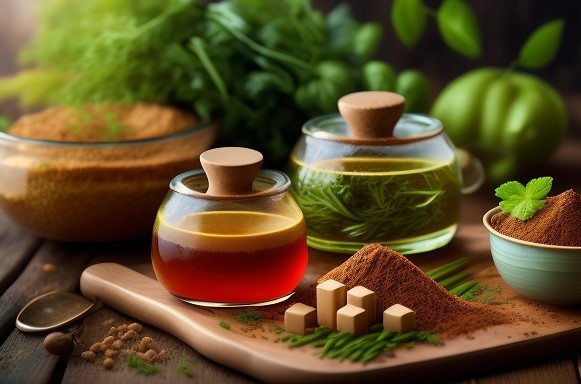
You’re eating a “perfect” salad—organic kale, cold chickpeas, and a squeeze of lemon. It’s objectively healthy. Yet, twenty minutes later, your stomach feels like a bloated balloon, your energy is crashing, and you’re reaching for a sweater because you’re suddenly freezing. If “healthy” food makes you feel terrible, the problem isn’t the food; it’s the mismatch between the meal and your unique biological blueprint.
In my twelve years as a health writer, I’ve navigated the dizzying world of keto, veganism, and intermittent fasting. But it wasn’t until I sat with an Ayurvedic practitioner in a small, spice-scented room in Kerala that I realized we’ve been looking at nutrition backward. We treat the human body like a calculator—calories in vs. calories out. Ayurveda treats it like a garden.

Ayurvedic Nutrition is the 5,000-year-old art of eating not just for your “weight,” but for your “type.” It’s about understanding that one man’s superfood is another man’s digestive toxin.


The “Internal Fire” Analogy: Understanding Agni

To understand Ayurvedic Nutrition, you have to understand Agni, or your digestive fire. Think of your stomach as a literal campfire.

  • If the fire is too weak (Mandagni), you can put the best wood (food) on it, but it will just smolder and create smoke (toxins, or Ama).

  • If the fire is too high (Tikshnagni), it burns the wood too fast, leaving you depleted and “burnt out.”

  • Our goal is a steady, clear flame (Samagni) that transforms food into energy without leaving “smoke” behind.


The Three Pillars: Identifying Your Dosha

Ayurveda categorizes every human into three primary energetic blueprints called Doshas. Most of us are a combination of two, but one usually dominates. When you eat for your Dosha, you’re effectively “balancing the scales.”

1. Vata (Air and Ether)

Vata types are often thin, fast-talking, and prone to anxiety. Their digestion is like a flickering candle in a windstorm—unpredictable.

  • The Mismatch: Cold salads and iced drinks.

  • The Ayurvedic Solution: Warm, grounding foods like stews, healthy fats (Ghee), and cooked grains.

2. Pitta (Fire and Water)

Pitta types are medium-build, sharp-witted, and prone to “heat” (inflammation or heartburn). Their digestion is a raging furnace.

  • The Mismatch: Spicy peppers, caffeine, and fermented foods.

  • The Ayurvedic Solution: Cooling foods like cucumber, coconut, and sweet fruits.

3. Kapha (Earth and Water)

Kapha types are sturdy, calm, and prone to weight gain or congestion. Their digestion is like a slow-moving river.

  • The Mismatch: Heavy creams, breads, and excessive salt.

  • The Ayurvedic Solution: Light, spicy, and stimulating foods like ginger, lentils, and bitter greens.


Beyond the Plate: The Rules of Ayurvedic Eating

One of the biggest “aha” moments in my career was learning that how you eat is just as important as what you eat. In Ayurvedic Nutrition, the environment of the meal dictates how much nutrition you actually absorb.

  • Eat with the Sun: Your Agni is strongest when the sun is highest (12:00 PM – 1:30 PM). This should be your largest meal.

  • Avoid Ice Water: Drinking ice-cold water with a meal is like throwing a bucket of ice on your campfire. It freezes the digestive enzymes. Opt for room temperature or warm ginger tea instead.

  • The Six Tastes (Shad Rasa): A balanced meal should ideally include Sweet, Sour, Salty, Bitter, Pungent, and Astringent. This ensures all your nutritional needs are met and prevents post-meal cravings.


The Hidden Danger: Understanding Ama (Toxins)

In the West, we talk about “detoxes” as something you do once a year with a green juice. In Ayurveda, detoxing happens every time you eat. When we eat while stressed, standing up, or late at night, we create Ama.

Ama is a cold, sticky, foul-smelling substance that clogs the Srotas (channels) of the body. If you wake up with a thick white coating on your tongue, that is a direct sign of Ama. Ayurvedic Nutrition focuses on “kindling the fire” to burn off this sludge, which is often the root cause of chronic fatigue and brain fog.


Expert Advice: Tips from a Decade in Health

  • Tips Pro: The “Hands as Bowls” Rule. Your stomach is roughly the size of your two hands cupped together. Ayurveda suggests filling 1/3 with food, 1/3 with liquid, and leaving 1/3 empty for air. This “empty space” allows your stomach to churn and digest effectively.

  • Be careful with the “Raw Food” trend. While raw vegetables have high vitamin counts, they are incredibly difficult for Vata types or those with weak Agni to break down. If you are constantly bloated, try steaming your greens. You might lose 5% of the vitamins to heat, but you’ll actually absorb 95% of what’s left.


Scannable Checklist: Your Ayurvedic Starter Kit

Ready to try Ayurvedic Nutrition? Start with these simple, non-overwhelming shifts:

  • Morning Ritual: Drink a cup of warm water with lemon (and a pinch of salt if you’re Vata) to flush the digestive tract.

  • Spice Your Life: Add Cumin, Coriander, and Fennel (CCF) to your cooking. These are the “Big Three” of Ayurvedic digestion.

  • The Sunset Rule: Try to finish your last meal at least three hours before bed. Digestion and sleep are competing processes; you can’t do both well at the same time.

  • Silence the Tech: Put your phone away. When you scroll through stressful news while eating, your body enters “Fight or Flight” mode, diverting blood away from your stomach to your limbs.


The Modern Relevance: Why Ancient Wisdom Matters Now

We are more connected than ever, yet more “out of sync” with our bodies. We eat “winter” foods in the summer because of global shipping, and we eat late at night because of blue-lit screens.

Ayurvedic Nutrition isn’t about following a set of rigid, exotic rules. It’s about Bio-Individuality. It’s about noticing that when the weather gets windy and cold, you naturally crave soup—that’s your body trying to balance Vata. When you feel angry or inflamed, you crave something cool—that’s your body taming Pitta.

By embracing these ancient principles, you stop fighting your body and start collaborating with it.


Conclusion: A Journey of Self-Discovery

Transitioning to an Ayurvedic lifestyle doesn’t happen overnight. It’s a slow process of listening to the “whispers” of your digestion before they become “screams” of illness. Start by noticing your dominant traits—are you fiery, airy, or earthy? Adjust one meal a day to match that energy, and watch how your vitality responds.

Ayurveda tells us that “Food is Medicine.” But medicine only works if it’s the right prescription for the patient.

Do you feel like your digestion is more of a raging furnace or a flickering candle? Have you ever noticed that certain “healthy” foods make you feel worse? Let’s talk about your Dosha and your digestive experiences in the comments below!

Essential Oils for Wellness: Natural Remedies for a Healthier Life

Source:https://www.medigreenaustralia.com.au

Imagine walking into a high-stakes board meeting, your heart hammering against your ribs like a trapped bird, and your mind racing with a dozen different “what-if” scenarios. You reach into your pocket, discreetly roll a tiny bit of lavender and frankincense onto your wrists, and take one deep breath. Within seconds, the “noise” in your head begins to dim. It’s not magic; it’s biology.

In my decade of navigating the health and wellness industry, I’ve seen essential oils transition from “fringe hippie lore” to a multibillion-dollar powerhouse integrated into clinical settings. However, with that popularity comes a lot of misinformation. I’ve personally sat with aromatherapists and researchers to peel back the marketing layers, and what I’ve found is that essential oils for wellness are perhaps the most misunderstood tools in the natural health toolkit.

These aren’t just “nice smells.” They are concentrated, volatile organic compounds that interact directly with your limbic system—the emotional switchboard of your brain.


The Lock and Key Analogy: How Essential Oils Work

To understand why a scent can change your mood or physical state, think of your scent receptors as a series of specific locks. Each chemical constituent in an essential oil (like linalool in lavender or limonene in lemon) is a key.

When you inhale these oils, the molecules travel through the olfactory bulb and “unlock” certain responses in the brain. Some keys turn on the “relaxation” switch by stimulating the parasympathetic nervous system, while others turn on the “alertness” switch. It’s a direct, high-speed highway to your brain that bypasses the logical mind entirely.


The “Big Four” Essential Oils for Wellness

If you are just starting out, the sheer number of oils can be overwhelming. In my clinical experience, 90% of daily wellness needs can be met by mastering just four specific oils.

1. Lavender: The Swiss Army Knife

Lavender is the gold standard for relaxation. But beyond just “calm,” it contains high levels of linalyl acetate, which has been studied for its ability to reduce cortisol levels.

  • Personal Insight: I’ve found that lavender is most effective when used before you reach peak stress. It’s a preventative measure that keeps your nervous system from redlining.

2. Peppermint: The Liquid Caffeine

If you struggle with the “afternoon slump,” peppermint is your best friend. The menthol content increases blood flow and provides a cooling sensation that snap-focuses the mind.

  • Technical Note: Inhaling peppermint has been shown in some small studies to improve exercise performance and cognitive function by increasing oxygen concentration in the brain.

3. Frankincense: The Grounding King

Known as the “King of Oils,” Frankincense is rich in alpha-pinene. It’s traditionally used for cellular health and deep meditation.

  • Experience Tip: When I feel “scattered” or mentally fragmented, diffusing frankincense helps slow down my breathing and anchors my focus.

4. Tea Tree (Melaleuca): The First Aid Expert

This is your go-to for skin health and environmental cleansing. Its terpinen-4-ol content makes it a powerful antimicrobial agent.


Therapeutic Application: Beyond the Diffuser

While diffusing is the most common way to use essential oils for wellness, it’s only the tip of the iceberg. To move into the “intermediate” level of usage, you must understand topical application and synergy.

The Importance of Carrier Oils

Essential oils are “neat” and highly concentrated. Applying them directly to the skin can lead to sensitization—a permanent allergic reaction that I’ve seen ruin a person’s ability to use oils forever.

  • Always dilute with a carrier oil like Jojoba, Fractionated Coconut Oil, or Sweet Almond Oil.

  • The Ratio: For a healthy adult, a 2% dilution (about 10–12 drops of essential oil per ounce of carrier oil) is the sweet spot for daily use.

Creating Synergistic Blends

A “synergy” is when two or more oils are combined to create a chemical profile that is more powerful than the oils used individually. For example, mixing Lavender and Roman Chamomile creates a more potent sedative effect than using Lavender alone.


Expert Advice: Quality and Safety Secrets

This is the part where most “online guides” fall short. Because the FDA does not regulate essential oils as drugs, the term “Therapeutic Grade” is actually a marketing term, not a legal one.

Tips Pro: The “Paper Test”

To see if your oil is pure or contains synthetic fillers, drop one drop of the oil onto a piece of white printer paper and let it dry. A pure essential oil (with the exception of very thick oils like Vetiver or Sandalwood) will evaporate completely without leaving a greasy ring. If a greasy stain remains, the oil has been diluted with a cheap vegetable oil.

Peringatan Tersembunyi (Hidden Warning): Photosensitivity

Many people don’t realize that Citrus Oils (Lemon, Lime, Bergamot, Grapefruit) are photosensitive. If you apply these to your skin and then go out into the sun, the compounds can cause severe chemical burns or permanent skin discoloration. If you use citrus oils topically, stay out of direct UV light for at least 12–18 hours.


Essential Oils for Emotional Resilience

Perhaps the most profound use of essential oils for wellness is in the realm of mental health. In my years of writing, I’ve observed that we often ignore the “scent-memory” connection.

You can actually “program” your brain using oils. By diffusing a specific oil (like Bergamot) only when you are in a state of high productivity and joy, you create a neural anchor. Later, when you are feeling low or unmotivated, smelling that same Bergamot can “trigger” your brain back into that productive state. This is a form of neuro-linguistic programming (NLP) that uses the olfactory system as the catalyst.


Safety with Children and Pets

Not every oil is for every body.

  • Pets: Cats, in particular, lack a liver enzyme (glucuronyl transferase) needed to break down certain compounds in essential oils like Tea Tree and Peppermint. Diffusion should always be done in an open space where pets can leave the room.

  • Children: Avoid using Peppermint or Eucalyptus on or near the faces of children under age 6, as the high menthol/1,8-cineole content can cause labored breathing in some cases.


Conclusion: Crafting Your Natural Ritual

The journey into essential oils for wellness isn’t about replacing modern medicine; it’s about enhancing your daily environment to support your body’s innate ability to heal. It’s about taking a moment of mindfulness in a chaotic world and using the power of plants to stabilize your internal “thermostat.”

Whether you’re looking to improve your sleep, sharpen your focus, or simply reduce the chemical load in your home, essential oils offer a versatile, effective solution. Start small, prioritize purity over price, and always listen to how your body responds.

Do you have a “holy grail” essential oil that changed your daily routine? Or perhaps a blend that helps you survive a stressful workday? Share your favorite recipes and experiences in the comments below—I’d love to hear how you’re using these liquid botanicals!