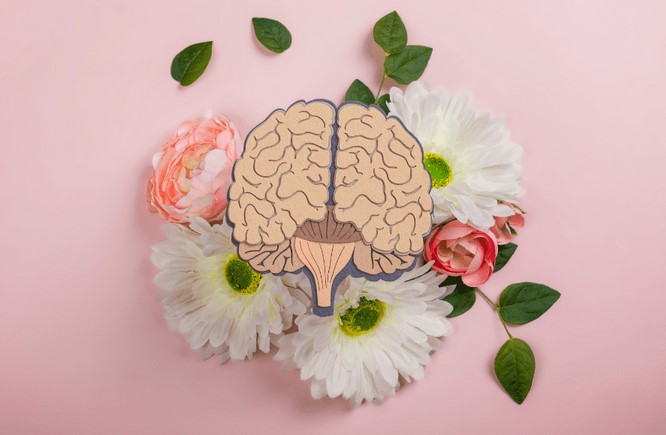
Postpartum Mental Health: Navigating Emotions After Childbirth

Source:https://sa1s3optim.patientpop.com

The nursery is quiet, the dim glow of a nightlight casts long shadows, and you are holding a sleeping infant whose weight feels both miraculous and overwhelming. You expected a “glow,” but instead, you feel an inexplicable hollow in your chest. Or perhaps it’s a racing heart that won’t let you sleep even when the baby finally does.

In my decade of writing for the health sector and working alongside clinical psychologists, I’ve sat across from countless parents who whisper the same thing: “I thought I’d be happier than this.” Statistics tell us that roughly 1 in 7 women will experience more than just the “baby blues.” Yet, the stigma remains a heavy blanket, muffling the cries for help.

Postpartum mental health isn’t a sign of failure; it is a complex physiological and psychological transition. Today, we are going deep into what is actually happening in your brain and body after birth, moving beyond the surface-level advice to help you navigate this season with clarity.

The Chemical Storm: Understanding the Postpartum Brain

When we talk about Postpartum Mental Health, we have to start with the biology. Think of your hormones like a high-speed train. During pregnancy, your levels of estrogen and progesterone are at an all-time high. Within 24 hours of delivery, those levels plummet back to their pre-pregnancy state.

The “Shattered Thermostat” Analogy

Imagine your body’s emotional regulation is like a sophisticated home thermostat. Suddenly, someone has ripped the wiring out and plunged the room into freezing cold, then sweltering heat. That is your endocrine system post-delivery. This “crash” affects the neurotransmitters in your brain that regulate mood, such as serotonin and dopamine.

While the Baby Blues usually resolve within two weeks as the “wiring” stabilizes, Postpartum Depression (PPD) and Postpartum Anxiety (PPA) occur when the system stays broken. It isn’t something you can “snap out of” any more than you could “snap out of” a broken leg.

Beyond Sadness: The Different Faces of Postpartum Mood Disorders

Most people think PPD is just crying all day. In reality, postpartum mental health challenges are a spectrum. Over the last 10 years, I’ve observed that the “anxiety” component is often the most overlooked.

1. Postpartum Anxiety (PPA)

This often manifests as “intrusive thoughts.” These are scary, repetitive “what if” scenarios that play like a horror movie in your mind. You might find yourself checking the baby’s breathing every five minutes or refusing to let anyone else hold them because of a perceived danger.

2. Postpartum Rage

This is a symptom seldom discussed in glossy parenting magazines. It’s an overwhelming, white-hot anger triggered by the smallest things—a loud noise, a partner’s breathing, or a pile of laundry. It is often a secondary emotion masking deep exhaustion and unmet needs.

3. Postpartum OCD

This involves repetitive behaviors (compulsions) driven by those intrusive thoughts. For example, washing bottles six times because of a fear of contamination. Unlike psychosis, parents with Postpartum OCD are usually very aware that these thoughts are irrational, which causes them even more distress.

The Role of Sleep Deprivation as a Force Multiplier

In the health industry, we often call sleep “the master regulator.” When you are navigating Postpartum Mental Health, sleep isn’t just a luxury; it is clinical medicine.

When you are chronically sleep-deprived, your amygdala (the brain’s fear center) becomes hyper-reactive, while your prefrontal cortex (the logic center) goes offline. This creates a feedback loop where every small challenge feels like a life-threatening crisis.

Pro Tip: If you are struggling with mental health, “sleeping when the baby sleeps” is often impossible due to hyper-vigilance. Instead, aim for one 4-hour block of uninterrupted sleep where someone else handles the baby. This allows your brain to complete at least two full REM cycles, which is the “minimum effective dose” for emotional stability.

Breaking the Silence: How to Advocate for Yourself

One of the biggest hurdles I see is the “Mask of Motherhood.” New parents feel they must perform happiness to prove they are “good” parents.

Recognizing the Red Flags

If you are wondering if what you’re feeling is “normal,” ask yourself these three questions:

  • Duration: Have these feelings lasted longer than two weeks?

  • Intensity: Do these feelings prevent you from performing daily tasks or bonding with your baby?

  • Anhedonia: Have you lost interest in things that used to bring you joy, even in small doses?

If the answer is yes, it is time to reach out to a healthcare provider. There is no medal for suffering in silence.

Practical Strategies for Navigating the “Fourth Trimester”

Recovery is rarely a straight line. It is a series of small, intentional shifts in your daily environment and mindset.

  • Lower the Bar: If the baby is fed and you are breathing, you’ve won the day. The “Pinterest-perfect” nursery can wait.

  • Nutritional Support: Focus on Omega-3 fatty acids and Vitamin D. Research suggests these are crucial for brain health and can act as a supportive layer for clinical treatments.

  • The “Five-Minute Rule”: When the walls feel like they are closing in, change your sensory environment. Step outside for five minutes, put your hands in cold water, or change the music. It breaks the neurological loop of a panic response.

Hidden Warning: The Danger of Social Media Comparison

Here is an “insider” insight: The digital world is currently a major neuro-inflammatory trigger for postpartum parents.

When you scroll through “Clean-With-Me” videos or “Day in the Life of a Productive Mom” at 3:00 AM, your brain performs a Upward Social Comparison. Your brain perceives your own messy reality as a threat to your social standing, triggering a cortisol spike.

My professional advice? Delete the apps for the first 30 days. Your dopamine receptors are already fragile; they don’t need the artificial highs and lows of the “like” button.

Treatment Pathways: Medication and Therapy

There is a common misconception that seeking help means you will be “drugged up” and unable to care for your child. Modern medicine is much more nuanced.

  • Psychotherapy: Specifically Cognitive Behavioral Therapy (CBT) and Interpersonal Therapy (IPT) have shown incredible success in treating PPD and PPA.

  • Medication: Selective Serotonin Reuptake Inhibitors (SSRIs) are often used and many are considered compatible with breastfeeding. Always consult with a reproductive psychiatrist or your OB-GYN to weigh the benefits of a healthy, stable parent against minimal risks.

Conclusion: You Are the Best Parent for Your Baby

Navigating Postpartum Mental Health is perhaps the bravest thing you will ever do. It requires looking at the parts of yourself that feel broken and choosing to seek healing anyway. Remember, your baby doesn’t need a “perfect” parent; they need a healthy one.

The fog will lift. The wiring will be repaired. You are not alone in this dark nursery—there is a whole community of us holding a light for you until you can find your own again.

How are you feeling today? If you’ve experienced any of these “unspoken” symptoms like rage or intrusive thoughts, share your story in the comments below. Let’s break the stigma together.

Disclaimer: This article is for informational purposes and does not replace professional medical advice. If you are experiencing thoughts of harming yourself or your baby, please contact your local emergency services or a crisis hotline immediately.

Reflexology Health Benefits: How This Therapy Supports Well-Being

Source:https://d2e5ushqwiltxm.cloudfront.net

You’ve spent eight hours on your feet, or perhaps squeezed into dress shoes that look great but feel like medieval torture devices. By the time you get home, your feet aren’t just tired—they feel “heavy,” throbbing with a dull ache that seems to radiate all the way up to your lower back. Most people reach for an aspirin or a hot soak. But what if the map to fixing that back pain, calming your racing mind, or even settling your digestion was literally printed on the soles of those aching feet?

In my twelve years of exploring integrative medicine, I’ve transitioned from a skeptic to a staunch advocate of foot therapy. I remember my first professional session: the therapist pressed a specific spot on my inner arch, and I felt a strange, cooling sensation in my mid-back—the exact spot where I’d been carrying a knot for weeks. It wasn’t magic; it was the biological “switchboard” of the body in action.

The Reflexology Health Benefits we discuss today go far beyond a simple foot massage. We are talking about a sophisticated system of manual therapy that taps into the nervous system to encourage the body’s self-healing mechanisms.


The “Circuit Breaker” Analogy: How Reflexology Works

To understand reflexology, think of your body as a complex smart home. When a light goes out in the attic (your head) or the heater fails in the basement (your digestion), you don’t always have to go to that specific room to fix it. Instead, you go to the breaker box in the garage.

In this analogy, your feet, hands, and ears are the breaker boxes. By applying pressure to specific “reflex points,” a therapist sends an electrochemical signal through the peripheral nervous system to the central nervous system. This signals the brain to adjust the “current” (blood flow and energy) to the corresponding organ or zone.


The Core Reflexology Health Benefits for Modern Living

While the practice is ancient, the modern clinical applications are more relevant than ever. Here is how this therapy specifically supports your physiology.

1. Stress Reduction and Cortisol Management

Our bodies are often stuck in “Sympathetic Overdrive”—the fight-or-flight state. Reflexology is a powerful tool for triggering the Parasympathetic Nervous System (rest and digest).

  • The Insight: I’ve observed that during a session, a client’s heart rate variability (HRV) often improves significantly within the first fifteen minutes.

  • The Result: A deep sense of relaxation that lowers blood pressure and reduces the systemic inflammation caused by chronic stress.

2. Enhanced Blood Circulation and Nerve Function

The feet are the furthest point from the heart. Gravity makes it difficult for blood to “climb” back up efficiently, which is why we get swelling.

  • The Benefit: Reflexology stimulates over 7,000 nerve endings in each foot. This “wakes up” the neural pathways and encourages vasodilation.

  • LSI Connection: This is particularly beneficial for those managing peripheral neuropathy or sluggish lymphatic drainage.

3. Pain Management and the Gate Control Theory

How can pressing a toe help a headache? It involves the Gate Control Theory of Pain. By stimulating non-painful nerve fibers through pressure, the “gate” in the spinal cord closes to painful signals coming from other parts of the body.

  • Key Area: Targeting the “ball of the foot” (the lung/chest area) or the “great toe” (the head/brain area) can provide relief for tension headaches and respiratory tightness.


Deep-Dive into the “Zone Theory”

Reflexology is built on Zone Theory, which divides the body into ten vertical longitudinal zones. There are five zones on each side of the body, ending in the five fingers and five toes.

When a reflexologist works on your right foot, they are addressing the right side of your body. If you have a gallbladder issue, they will focus on the right foot; if it’s a spleen issue, the left. This structural mapping is what separates a “pampering massage” from a therapeutic reflexology session.


Expert Advice: Insights from a Decade in Health

Through years of practice and observation, I’ve identified a few “hidden” aspects of reflexology that you won’t find in a basic brochure.

  • Tips Pro: The “Water Rule.” Reflexology stimulates the lymphatic system to dump metabolic waste into the bloodstream. If you don’t drink at least 500ml of water immediately after a session, you might experience a “healing crisis”—a mild headache or fatigue as those toxins sit in your system.

  • “Tenderness” isn’t bad, but “Sharp Pain” is. If a spot on your foot feels like a bruise or a grain of sand, it often indicates a blockage or congestion in the corresponding organ. However, if a therapist is pressing so hard you are tensing up, the therapy backfires. You cannot “force” a nervous system to relax.

  • The Pregnancy Note: If you are in your first trimester, always seek a specialist. Certain points near the ankle (the uterus and ovary reflexes) are thought to stimulate contractions and should be handled with extreme care.


Scannable Checklist: Maximizing Your Session

To get the most out of the Reflexology Health Benefits, use this protocol:

  • Dress Comfortably: Wear loose pants that can easily be rolled up to the knee. The therapist often works on the lower calf to address the sciatic nerve.

  • Communicate Tenderness: Don’t be a hero. Tell your therapist if a spot feels “crunchy” or sensitive. That is data they need to adjust their map.

  • Observe Your Reactions: It is common to feel cold, experience “tummy gurgling,” or feel incredibly sleepy during a session. These are all signs your body is shifting into a healing state.

  • Frequency Matters: For chronic issues like insomnia or digestive distress, one session is a band-aid. A series of 4–6 weekly sessions is usually where the long-term biological shifts happen.


Integrating Reflexology into Your Lifestyle

You don’t always need a professional to reap the rewards. While a practitioner provides the most depth, “Self-Reflexology” is a valid maintenance tool.

  • The Golf Ball Trick: Keep a golf ball under your desk. Roll your arch over it for five minutes. This targets the solar plexus reflex, the center for emotional stress, helping you stay grounded during a hectic workday.

  • Epsom Salt Synergy: Follow your session with an Epsom salt soak. The magnesium absorption through the skin works in tandem with the opened neural pathways to double the muscle-relaxing effect.


Conclusion: Step Into Better Health

The Reflexology Health Benefits are a testament to the body’s interconnectedness. We often view our health as a series of isolated parts—a stomach problem here, a back problem there. Reflexology reminds us that we are a single, continuous electrical system.

By paying attention to our feet, we are essentially listening to the “early warning system” of the entire body. Whether you are seeking relief from a specific ailment or just looking for a way to quiet the noise of a high-stress life, giving your “breaker box” some attention might be the best step you take all year.

Have you ever noticed a specific spot on your feet that always feels tender when you’re stressed? Or have you had a “surprising” reaction to a foot massage before? Share your thoughts and experiences in the comments below!

Ayurvedic Nutrition: Embracing Ancient Wisdom for Better Health

You’re eating a “perfect” salad—organic kale, cold chickpeas, and a squeeze of lemon. It’s objectively healthy. Yet, twenty minutes later, your stomach feels like a bloated balloon, your energy is crashing, and you’re reaching for a sweater because you’re suddenly freezing. If “healthy” food makes you feel terrible, the problem isn’t the food; it’s the mismatch between the meal and your unique biological blueprint.

In my twelve years as a health writer, I’ve navigated the dizzying world of keto, veganism, and intermittent fasting. But it wasn’t until I sat with an Ayurvedic practitioner in a small, spice-scented room in Kerala that I realized we’ve been looking at nutrition backward. We treat the human body like a calculator—calories in vs. calories out. Ayurveda treats it like a garden.

Ayurvedic Nutrition is the 5,000-year-old art of eating not just for your “weight,” but for your “type.” It’s about understanding that one man’s superfood is another man’s digestive toxin.


The “Internal Fire” Analogy: Understanding Agni

To understand Ayurvedic Nutrition, you have to understand Agni, or your digestive fire. Think of your stomach as a literal campfire.

  • If the fire is too weak (Mandagni), you can put the best wood (food) on it, but it will just smolder and create smoke (toxins, or Ama).

  • If the fire is too high (Tikshnagni), it burns the wood too fast, leaving you depleted and “burnt out.”

  • Our goal is a steady, clear flame (Samagni) that transforms food into energy without leaving “smoke” behind.


The Three Pillars: Identifying Your Dosha

Ayurveda categorizes every human into three primary energetic blueprints called Doshas. Most of us are a combination of two, but one usually dominates. When you eat for your Dosha, you’re effectively “balancing the scales.”

1. Vata (Air and Ether)

Vata types are often thin, fast-talking, and prone to anxiety. Their digestion is like a flickering candle in a windstorm—unpredictable.

  • The Mismatch: Cold salads and iced drinks.

  • The Ayurvedic Solution: Warm, grounding foods like stews, healthy fats (Ghee), and cooked grains.

2. Pitta (Fire and Water)

Pitta types are medium-build, sharp-witted, and prone to “heat” (inflammation or heartburn). Their digestion is a raging furnace.

  • The Mismatch: Spicy peppers, caffeine, and fermented foods.

  • The Ayurvedic Solution: Cooling foods like cucumber, coconut, and sweet fruits.

3. Kapha (Earth and Water)

Kapha types are sturdy, calm, and prone to weight gain or congestion. Their digestion is like a slow-moving river.

  • The Mismatch: Heavy creams, breads, and excessive salt.

  • The Ayurvedic Solution: Light, spicy, and stimulating foods like ginger, lentils, and bitter greens.


Beyond the Plate: The Rules of Ayurvedic Eating

One of the biggest “aha” moments in my career was learning that how you eat is just as important as what you eat. In Ayurvedic Nutrition, the environment of the meal dictates how much nutrition you actually absorb.

  • Eat with the Sun: Your Agni is strongest when the sun is highest (12:00 PM – 1:30 PM). This should be your largest meal.

  • Avoid Ice Water: Drinking ice-cold water with a meal is like throwing a bucket of ice on your campfire. It freezes the digestive enzymes. Opt for room temperature or warm ginger tea instead.

  • The Six Tastes (Shad Rasa): A balanced meal should ideally include Sweet, Sour, Salty, Bitter, Pungent, and Astringent. This ensures all your nutritional needs are met and prevents post-meal cravings.


The Hidden Danger: Understanding Ama (Toxins)

In the West, we talk about “detoxes” as something you do once a year with a green juice. In Ayurveda, detoxing happens every time you eat. When we eat while stressed, standing up, or late at night, we create Ama.

Ama is a cold, sticky, foul-smelling substance that clogs the Srotas (channels) of the body. If you wake up with a thick white coating on your tongue, that is a direct sign of Ama. Ayurvedic Nutrition focuses on “kindling the fire” to burn off this sludge, which is often the root cause of chronic fatigue and brain fog.


Expert Advice: Tips from a Decade in Health

  • Tips Pro: The “Hands as Bowls” Rule. Your stomach is roughly the size of your two hands cupped together. Ayurveda suggests filling 1/3 with food, 1/3 with liquid, and leaving 1/3 empty for air. This “empty space” allows your stomach to churn and digest effectively.

  • Be careful with the “Raw Food” trend. While raw vegetables have high vitamin counts, they are incredibly difficult for Vata types or those with weak Agni to break down. If you are constantly bloated, try steaming your greens. You might lose 5% of the vitamins to heat, but you’ll actually absorb 95% of what’s left.


Scannable Checklist: Your Ayurvedic Starter Kit

Ready to try Ayurvedic Nutrition? Start with these simple, non-overwhelming shifts:

  • Morning Ritual: Drink a cup of warm water with lemon (and a pinch of salt if you’re Vata) to flush the digestive tract.

  • Spice Your Life: Add Cumin, Coriander, and Fennel (CCF) to your cooking. These are the “Big Three” of Ayurvedic digestion.

  • The Sunset Rule: Try to finish your last meal at least three hours before bed. Digestion and sleep are competing processes; you can’t do both well at the same time.

  • Silence the Tech: Put your phone away. When you scroll through stressful news while eating, your body enters “Fight or Flight” mode, diverting blood away from your stomach to your limbs.


The Modern Relevance: Why Ancient Wisdom Matters Now

We are more connected than ever, yet more “out of sync” with our bodies. We eat “winter” foods in the summer because of global shipping, and we eat late at night because of blue-lit screens.

Ayurvedic Nutrition isn’t about following a set of rigid, exotic rules. It’s about Bio-Individuality. It’s about noticing that when the weather gets windy and cold, you naturally crave soup—that’s your body trying to balance Vata. When you feel angry or inflamed, you crave something cool—that’s your body taming Pitta.

By embracing these ancient principles, you stop fighting your body and start collaborating with it.


Conclusion: A Journey of Self-Discovery

Transitioning to an Ayurvedic lifestyle doesn’t happen overnight. It’s a slow process of listening to the “whispers” of your digestion before they become “screams” of illness. Start by noticing your dominant traits—are you fiery, airy, or earthy? Adjust one meal a day to match that energy, and watch how your vitality responds.

Ayurveda tells us that “Food is Medicine.” But medicine only works if it’s the right prescription for the patient.

Do you feel like your digestion is more of a raging furnace or a flickering candle? Have you ever noticed that certain “healthy” foods make you feel worse? Let’s talk about your Dosha and your digestive experiences in the comments below!

Eye Health for Aging Adults: Tips to Protect Your Vision

Source:https://www.maplewoodseniorliving.com

You’re sitting in your favorite armchair, trying to read the morning news or a text from your grandchild, and suddenly you realize you’re holding your phone at arm’s length just to make the letters stop dancing. Or perhaps you’ve noticed that driving at night feels like navigating through a smudge of Vaseline. It’s a frustrating, silent shift that millions of us face. In fact, by age 65, one in three Americans has some form of vision-impairing eye disease.

In my twelve years as a health writer, I’ve sat in on countless ophthalmology consultations and spoken with researchers dedicated to the biology of sight. I remember an early interview with a veteran surgeon who told me, “We treat our eyes like lightbulbs—we expect them to shine forever without checking the wiring.”

That conversation changed how I view eye health for aging adults. We often accept fading vision as an inevitable tax on aging, but much of that “tax” is actually preventable. Your eyes are delicate biological cameras, and like any high-end equipment, they require specific maintenance as the years stack up.


The “Biological Camera” Analogy: Understanding the Aging Eye

To understand vision loss, think of your eye as a high-end digital camera.

  • The Lens: In your youth, the lens is flexible, like a piece of clear gelatin that changes shape to focus. As we age, it becomes like a piece of hardened plastic (this is why we get presbyopia, or the need for reading glasses).

  • The Film: The retina at the back acts as the film. If the “film” gets damaged by light or poor circulation, the camera can’t capture a clear image, no matter how good the lens is.

  • The Plumbing: Your eye has a constant flow of fluid. If the “drain” gets clogged, pressure builds up—that’s exactly how Glaucoma starts.

Our goal with eye health for aging adults is to keep the lens clear, the film protected, and the plumbing flowing.


The “Big Four” Threats to Your Vision

When I look at clinical data, four specific conditions dominate the landscape of aging eyes. Recognizing these early is the difference between minor correction and major loss.

1. Age-Related Macular Degeneration (AMD)

AMD affects the macula, the part of your eye responsible for sharp, central vision. Imagine trying to look at someone’s face and seeing only a blurred gray spot in the middle, while the edges remain clear.

  • The Insight: AMD is often linked to oxidative stress. Think of it as “rusting” of the retinal cells.

2. Cataracts

A cataract is a clouding of the eye’s natural lens. I’ve heard patients describe it as looking through a frosty or fogged-up window.

  • The Good News: This is one of the most successful surgeries in modern medicine. We literally replace your old, “foggy” lens with a brand-new, clear artificial one.

3. Glaucoma: The Silent Thief

This is the one I worry about most. Glaucoma often has no symptoms until your peripheral vision is already gone. It’s caused by high intraocular pressure damaging the optic nerve.

4. Diabetic Retinopathy

If you are managing blood sugar issues, your eyes are on the front lines. High glucose levels can damage the tiny blood vessels in the retina, leading to leakage and scarring.


Pro-Active Strategies: Protecting Your Sight Daily

Maintaining eye health for aging adults isn’t just about going to the doctor once a year. It’s about the small, repetitive choices you make every day.

The Power of the Plate

Your eyes are incredibly “hungry” for specific nutrients. Research, specifically the AREDS2 study, has shown that certain antioxidants act like a shield for your macula.

  • Lutein and Zeaxanthin: Found in dark leafy greens (kale, spinach). Think of these as “internal sunglasses” that filter harmful blue light.

  • Omega-3 Fatty Acids: Essential for the oily layer of your tear film. If you suffer from Dry Eye Syndrome, increasing your intake of salmon or flaxseeds can be a game-changer.

Lighting and Ergonomics

I’ve observed that many seniors struggle with vision simply because their environment is poorly lit. As we age, our pupils shrink and become less responsive.

  • Tip: Use task lighting. Instead of one bright ceiling light that creates glare, use directed lamps for reading or sewing.


Expert Advice: Insights from the Field

  • Tips Pro: The “Amsler Grid” Trick. You don’t need fancy equipment to monitor your central vision. Pin a grid of straight lines (an Amsler Grid) on your fridge. Look at it once a week. If the straight lines start to look wavy or distorted, call your eye doctor immediately. This is often the first sign of “Wet” AMD.

  •  (The Hidden Warning): Be careful with “Blue Light Glasses” sold online. While they are trendy, many ophthalmologists I’ve interviewed emphasize that UV protection is far more critical for aging eyes. Ensure your sunglasses are labeled UV400 or “100% UV Protection.” UV damage is cumulative—it’s the primary driver of cataract formation.


Scannable Checklist: Your Eye Health Roadmap

To stay on top of eye health for aging adults, follow this scannable protocol:

  • Comprehensive Dilated Eye Exams: Do not settle for a simple “which is better, 1 or 2” vision test. A dilated exam allows the doctor to see the back of the eye and catch Glaucoma or AMD before you notice symptoms.

  • The 20-20-20 Rule: If you use a computer or tablet, every 20 minutes, look at something 20 feet away for 20 seconds. This prevents “accommodative spasm” or eye strain.

  • Know Your Family History: Many eye diseases are hereditary. If your mother had Glaucoma, you are at a much higher risk.

  • Quit Smoking: I cannot stress this enough. Smoking is as bad for your eyes as it is for your lungs. It doubles your risk of developing AMD.

  • Manage Systemic Health: High blood pressure and high cholesterol directly impact the vascular health of your eyes.


The Role of Technology in Vision Support

We live in an era where technology can actually help those with low vision. From “smart” magnifying glasses to apps that read text aloud, “low vision” doesn’t have to mean “low independence.” If you’re struggling, ask your doctor for a referral to a Low Vision Specialist. They focus on maximizing the sight you do have rather than just measuring what you’ve lost.


Conclusion: Don’t Take the View for Granted

Our eyes are our primary connection to the world—to the faces of our loved ones, the beauty of a sunset, and the independence of driving. Protecting eye health for aging adults is about more than just seeing clearly; it’s about maintaining your quality of life.

I’ve seen patients in their 80s with the “vision of a hawk” simply because they were diligent about UV protection, nutrition, and early screenings. You only get one pair of eyes. Treat them with the respect they deserve, and they will continue to show you the beauty of the world for years to come.

When was the last time you had a full, dilated eye exam? Have you noticed any subtle changes in how you see colors or how you drive at night? Let’s talk about your experiences or questions in the comments below!

Seeking Help for Depression: Finding the Support You Need

Source:https://images.squarespace-cdn.com

Imagine waking up, but the world has lost its color. It’s not that you’re “sad”—sadness implies a temporary reaction to a bad day. This is different. It’s a heavy, leaden exhaustion that makes a simple task like brushing your teeth feel like climbing Mount Everest. You’re surrounded by people who love you, yet you feel like you’re shouting from the bottom of a deep, dark well, and no one can hear you.

In my decade of working in health communication and mental health advocacy, I’ve sat with many who describe this exact “invisible weight.” I’ve learned that the hardest step isn’t actually “getting better”—it’s the five-second decision to start seeking help for depression.

Many people wait until they are in a total crisis to reach out. But I’ve observed that mental health is a spectrum, and you don’t need to be “at the end of your rope” to deserve a ladder. This guide is about finding that ladder and understanding the professional machinery designed to help you climb out.


The “Broken Leg” Analogy: Why Willpower Isn’t Enough

If you fell and broke your leg, would you try to “think” the bone back together? Would you tell yourself to “just walk it off” or feel ashamed that you couldn’t run a marathon? Of course not. You would go to an orthopedic surgeon because a physical structure is compromised.

Depression is remarkably similar. It involves a biological shift in neurotransmitters—the chemical messengers in your brain like serotonin, dopamine, and norepinephrine. When these are out of balance, your “mental hardware” is malfunctioning. Seeking help for depression isn’t an admission of weakness; it’s a medical necessity to repair the hardware so your “software” (your thoughts and emotions) can run smoothly again.


Identifying the Signs: When Does “Blues” Become Clinical?

Understanding when to transition from “self-care” to “professional care” is vital. While we all have bad days, clinical depression (Major Depressive Disorder) is defined by its persistence.

  • Duration: Symptoms lasting longer than two weeks.

  • Anhedonia: A technical term for the loss of interest in things you once loved (hobbies, food, or social connection).

  • Physical Manifestations: Significant changes in sleep (insomnia or oversleeping), appetite shifts, or unexplained body aches.

  • Cognitive Fog: Difficulty concentrating or making simple decisions, often referred to as “brain fog.”


Navigating the System: Who Should You Talk To?

One of the biggest hurdles in seeking help for depression is the confusing alphabet soup of mental health professionals. Let’s break down the roles so you can find the right fit.

1. The Primary Care Physician (PCP)

Your family doctor is often the best “entry point.” They can perform blood tests to rule out physical causes for your symptoms, such as thyroid imbalances or Vitamin D deficiencies, which can mimic depression.

2. Psychologists and Counselors (The “Talk” Experts)

These professionals focus on Psychotherapy. They use evidence-based techniques to help you reframe thought patterns.

  • Cognitive Behavioral Therapy (CBT): Focuses on the link between thoughts, feelings, and behaviors.

  • Dialectical Behavior Therapy (DBT): Excellent for emotional regulation.

3. Psychiatrists (The Medical Experts)

Psychiatrists are medical doctors (MDs) who specialize in the biological side of mental health. They are the ones who can prescribe antidepressants (like SSRIs or SNRIs).

Expert Insight: I’ve noticed a common fear that medication will “change your personality.” In reality, when correctly prescribed, medication acts like a pair of glasses. It doesn’t change the world; it just helps you see it clearly enough to use the tools you learn in therapy.


Expert Advice: Finding the Right “Therapeutic Alliance”

After years of observing patient-provider dynamics, I’ve realized that the most important factor in recovery isn’t the doctor’s degree—it’s the Therapeutic Alliance. This is the bond of trust between you and your provider.

  • Tips Pro: The “Interview” Phase. You are allowed to “shop around.” I always suggest having a brief consultation with at least two or three therapists. Ask them about their approach and see if you feel “heard.” If you don’t feel a connection after three sessions, it’s okay to move on.

  • (The Hidden Warning): Be wary of the “Relapse Myth.” Many people start seeking help for depression, feel better after a month, and abruptly stop their treatment or medication. This often causes a “rebound effect” where symptoms return even stronger. Always taper off medication under a doctor’s supervision.


Scannable Steps to Start Your Recovery Journey

If you are ready to reach out but feel overwhelmed, follow this simple checklist:

  • Document Your Symptoms: Keep a small note on your phone for three days. What time do you feel lowest? How is your appetite? This data is gold for your first appointment.

  • Check Your Insurance: Use your provider’s portal to find “In-Network” mental health professionals to avoid surprise bills.

  • Leverage Telehealth: If the idea of leaving the house feels impossible, many high-quality platforms offer video therapy from the comfort of your couch.

  • Reach Out to a “Gatekeeper”: If you can’t call a doctor, tell one trusted friend: “I’m struggling and I need help finding a professional. Can you help me make the call?”


The Role of Lifestyle in Support Systems

While professional intervention is the foundation, seeking help for depression also involves creating a supportive environment. This isn’t about “curing” yourself with yoga, but about providing your brain with the best possible conditions to heal.

  • Circadian Rhythm Regulation: Try to get 10 minutes of morning sunlight. This helps regulate your biological clock and serotonin production.

  • Low-Stakes Movement: You don’t need a gym. A 10-minute walk around the block is a “win.”

  • Nutrition: Focus on anti-inflammatory foods. Research into the “Gut-Brain Axis” shows that what we eat directly impacts our mood-regulating neurochemicals.


Conclusion: The First Step is the Bravest

Depression is a liar. It whispers that you are alone, that you are a burden, and that things will never change. But as someone who has witnessed the incredible resilience of the human spirit for over a decade, I can tell you: those whispers are wrong.

Seeking help for depression is the ultimate act of self-advocacy. It is a declaration that your life has value and that you are willing to fight for the version of yourself that can see the colors of the world again.

If you feel comfortable sharing, what is one barrier that has kept you from reaching out in the past? Or, if you’ve already started your journey, what was the “turning point” that made you decide to seek support? Let’s support each other in the comments below.


If you or someone you know is in immediate danger or having thoughts of self-harm, please contact your local emergency services or a crisis hotline immediately (such as 988 in the US or your local equivalent).