 Imagine walking through a busy airport terminal, looking up at the flight information board, and realizing every single flight is flashing a bright red text: DELAYED. The planes are fueled up, the passengers are sitting at the gates, and the runways are completely clear. Yet, due to a microscopic glitch in the communication tower, the planes are grounded, creating absolute chaos across the entire transit network.
This exact logistical nightmare unfolds inside your bloodstream every time your body struggles to process a meal.
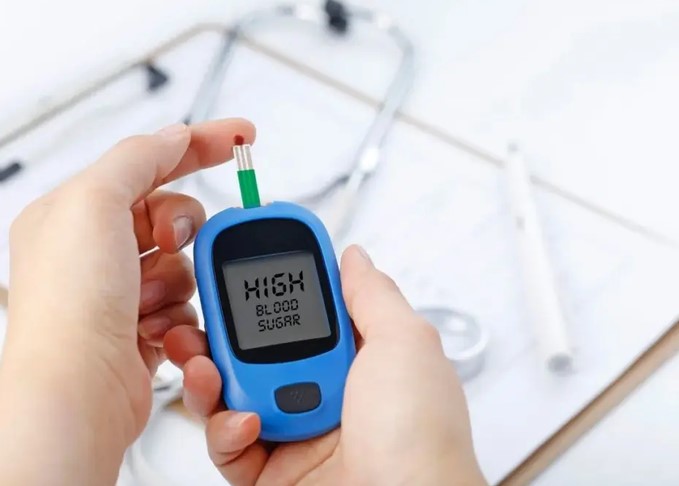
Over my ten years as a metabolic health consultant and medical writer, I have reviewed thousands of blood panels and sat across from hundreds of newly diagnosed clients. The most common emotion I encounter in the clinic is pure, unadulterated overwhelm. People look at their new continuous glucose monitors, flash-readings, and doctor scripts, feeling as though their body has suddenly turned into a complex, unpredictable science experiment.
The most profound insight I can share from a decade in the field is this: Successful diabetes management is not about starvation, perfection, or living in fear. It is about understanding your unique biological data and learning how to gently pull the right physiological levers to restore internal harmony. Let us unpack the technical mechanics and real-world strategies required to gain absolute mastery over your blood sugar.
The Lock and Key Analogy: Understanding Insulin Resistance
To demystify diabetes management, we must first strip away the dense medical jargon and look at how your body handles energy at the cellular level. When you consume foods—particularly carbohydrates—your digestive system breaks them down into a simple sugar called glucose. This glucose enters your bloodstream, signaling your pancreas to release a vital hormone called insulin.
Let us use a simple mechanical analogy to understand how this relationship works.
Think of your body’s muscle and fat cells as high-security vaults that require fuel to operate. Glucose is the high-value energy package floating in the hallway outside, and insulin is the security guard holding the master key.
[Healthy Dynamic]      --> Insulin turns key cleanly --> Vault opens --> Glucose fuels the cell
[Insulin Resistance]  --> Keyhole jammed with rust  --> Vault stays shut --> Glucose floods the blood
In a healthy system, insulin walks up to the cell, inserts the key into the lock cleanly, opens the door, and allows the glucose to exit the bloodstream to fuel the cell.
However, in Type 2 diabetes or severe insulin resistance, the biological keyhole becomes jammed with molecular “rust” (often caused by systemic inflammation, visceral fat accumulation, and chronic physical inactivity). The pancreas pumps out more and more keys, but the doors remain stubbornly shut. The result? Cells starv for energy while excess glucose builds up to dangerous levels in the bloodstream.
The Vital Benchmarks: Deciphering Your Blood Sugar Metrics
If you want to manage a system effectively, you have to know how to measure it. For beginners and intermediate readers, navigating lab reports can feel like reading a foreign language. When auditing metabolic health, we prioritize three foundational biomarkers:
-
Hemoglobin A1c (HbA1c): This is the definitive gold standard. Instead of a single snapshot, the HbA1c test measures the percentage of red blood cells coated with sugar, providing a highly accurate three-month average of your blood glucose levels. A healthy target is below 5.7%, while a reading of 6.5% or higher indicates diabetes.
-
Fasting Blood Glucose: The amount of sugar in your blood after an 8 to 12-hour overnight fast. We look for a baseline under 100 mg/dL.
-
Postprandial Glucose: Your blood sugar levels measured exactly two hours after the start of a meal. For effective management, we want this number to remain under 140 mg/dL to prevent structural damage to your microvasculature.
The Architectural Shield: Nutritional Strategies for Stability
The old-school approach to diabetes management was incredibly punitive: cut out every single carbohydrate, eat boiled chicken, and suffer in silence. Modern nutritional science has completely debunked this unsustainable method.
The modern secret to preventing aggressive glucose spikes lies in a concept I call Nutritional Scaffolding. You do not necessarily have to banish your favorite carbohydrates forever; you just have to change the architectural matrix in which they arrive at your stomach.
When you consume a naked carbohydrate—like a piece of white bread or a bowl of white rice—your digestive enzymes instantly convert it into glucose, causing a steep vertical spike on your monitor. But if you wrap that carbohydrate in a protective scaffold of dietary fiber, lean protein, and healthy fats, you completely alter the digestive timeline.
Fiber forms a viscous gel layer along your intestinal walls, slowing down gastric emptying and delaying carbohydrate absorption. Protein stimulates the release of satiety hormones like glucagon-like peptide-1 (GLP-1), which tells your pancreas to secrete insulin more efficiently. By changing the order in which you eat your food—vegetables first, proteins second, and carbohydrates last—you can flatten your post-meal glucose curve significantly without changing the total calorie count.
⚠️ The “Sugar-Free” Junk Food Trap
This is a critical piece of clinical advice: Do not trust a food item just because it wears a prominent “Diabetic-Friendly” or “Zero Sugar” label. To maintain palatability, commercial food manufacturers frequently replace cane sugar with high amounts of refined starches, maltodextrin (which possesses a glycemic index higher than pure table sugar), or excessive sugar alcohols. Always flip the package over and audit the Total Carbohydrates and ingredient list rather than trusting front-of-package marketing.
Muscle as a Glucose Sink: The Power of Physical Movement
Here is an extraordinary piece of physiology that many people overlook: your skeletal muscles are your body’s largest glucose sink. They store up to 80% of post-meal circulating glucose.
Under normal circumstances, getting glucose into a cell requires insulin to unlock the door, as we discussed in our analogy. However, when your muscles contract forcefully during physical movement, a fascinating biological backup system is activated.
Muscle contraction triggers the translocation of specialized transport proteins called GLUT4 directly to the cell surface. These transporters act like open garage doors, pulling glucose straight out of the bloodstream without requiring a single drop of insulin.
[Sedentary State]   --> Relies entirely on Insulin keys to open cell doors.
[Active Movement]   --> Muscle contractions open GLUT4 garage doors directly, bypassing Insulin.
This means that a simple, brisk 15-minute walk taken immediately after your largest meal acts as a powerful, non-pharmacological dose of blood sugar medication. It clears circulating glucose, reduces the workload on your pancreas, and sharpens your baseline insulin sensitivity for hours afterward.
Your Daily Protocol: A Scannable Management Checklist
To keep your metabolic health highly optimized and stress-free throughout the week, utilize this practical lifestyle blueprint:
| Focus Pillar | Action Strategy | What to Avoid |
| Meal Sequencing | Eat your non-starchy vegetables and proteins before touching starches or grains. | Starting a meal with refined carbohydrates on an empty stomach. |
| Activity Habits | Step outside for a 10 to 15-minute brisk walk within 30 minutes of finishing a meal. | Collapsing onto the couch immediately after a heavy dinner. |
| Sleep Metrics | Prioritize 7 to 8 hours of high-quality, continuous sleep in a dark room. | Chronic sleep deprivation, which elevates cortisol and increases next-day insulin resistance. |
| Hydration Target | Drink plenty of pure water throughout the day to help your kidneys flush out excess glucose. | Dehydration, which artificially concentrates the amount of sugar in your blood volume. |
The Final Verdict: Empowerment Over Diagnosis
After more than a decade of navigating metabolic data, dissecting clinical trials, and guiding patients toward health, my ultimate conclusion is clear. A diagnosis of diabetes or prediabetes is not a life sentence of restriction; it is a profound wake-up call to start listening to your biology.
Your body is not broken; it is simply operating with a jammed communication network. By applying structured nutrition, leveraging muscle contractions through movement, tracking the right biomarkers like HbA1c, and protecting your nervous system from chronic stress, you can take complete control of the wheel. Treat your journey with patience, focus on small daily habits rather than overnight perfection, and watch how quickly your vitality returns when your blood sugar settles into a steady, calm rhythm.
Now, I Want to Hear From You!
Are you currently navigating the ups and downs of managing your blood sugar, or have you recently noticed your energy levels crashing after lunch? What is the single biggest hurdle you face when trying to make healthy dietary choices during a busy work week? Drop your thoughts, personal victories, or questions in the comments section below—I read every single response and am here to help you navigate your health journey!
 You wake up, try to swallow that first sip of water, and it feels like you’ve just gulped down a handful of jagged glass shards and sandpaper. We’ve all been there—staring at the ceiling, wondering if that scratchy sensation is a passing irritation or the start of a week-long battle with a viral invader. According to healthcare data, sore throats account for over 13 million visits to doctor’s offices annually, yet the vast majority are caused by viruses that antibiotics simply cannot touch.