
Nutrition Tips for Teen Athletes: Fueling Young Bodies for Peak Performance

Source:https://encrypted-tbn0.gstatic.com

Picture a 15-year-old varsity midfielder who dominates the first half of every game, only to completely fall apart in the final twenty minutes. They are not lazy, and they certainly haven’t stopped trying. Their brain is screaming at them to sprint, but their legs feel like they are submerged in wet cement.

In my ten-plus years working directly in health writing and performance wellness, I have seen this exact heartbreak play out hundreds of times. Parents invest thousands in high-end footwear and private skills trainers, yet overlook the single biggest variable governing an adolescent’s athletic potential: basic biological fuel.
Teenagers are not merely smaller adults; they are biological pressure cookers undergoing rapid physiological development while demanding elite-level exertion from their bodies. Implementing targeted nutrition tips for teen athletes is not about restrictive dieting—it is about providing the exact raw materials required to build a stronger, faster, and more resilient human being.

The Dual-Demand Dilemma: Why Teen Athletes Are Not Mini-Adults

The most common mistake coaches and parents make is treating a teenager’s metabolic rate like an adult’s. A typical sedentary adult needs energy simply to maintain daily bodily functions and light movement. A teenage athlete, however, faces a massive “dual-demand” energy requirement: simultaneous rapid cellular growth and high-volume physical training.
During peak growth spurts, an adolescent’s Basal Metabolic Rate (BMR) spikes dramatically. When you stack two hours of intense practice on top of natural bone lengthening and muscle tissue expansion, their daily energy needs can easily surge past 3,000 to 4,000 calories.
The Race Car Analogy: Imagine attempting to rebuild the engine of a Formula 1 race car while driving it down the track at 150 miles per hour. That is precisely what a teenager’s body is attempting to do every day. If you fail to supply enough high-grade fuel, the engine doesn’t just slow down—it starts breaking down its own structural parts to keep running.
When chronic energy deficits occur, young athletes run the risk of developing Relative Energy Deficiency in Sport (RED-S). This clinical condition leads to severe hormonal imbalances, decreased bone mineral density, frequent stress fractures, and persistent mental fatigue.

Building the Fueling Matrix: Key Macronutrients for Growth and Power

To optimize athletic output without compromising physical development, young athletes must master their macronutrient balance. Here is how to structure their daily plate.

1. Carbohydrates: The Primary Fuel Tank

Carbohydrates are the preferred fuel source for high-intensity movement. When consumed, carbs break down into glucose, which is stored in the liver and muscle tissue as glycogen. During rapid sprints or heavy exertion, glycogen synthesis determines how long an athlete can maintain top speed before hitting exhaustion.
  • Complex Carbs (Daily Staples): Oatmeal, sweet potatoes, brown rice, and whole-grain pasta provide sustained energy release without crashing blood sugar.
  • Simple Carbs (Quick Energy): Bananas, dates, or honey consumed 30 to 45 minutes before kickoff offer immediate blood glucose for explosive movement.

2. Protein: The Repair Crew

While carbs provide power, protein supplies the essential amino acids required for muscle protein synthesis and tissue repair. Teen athletes frequently over-consume protein powders while neglecting whole food sources.
  • Focus on Whole Sources: Lean poultry, eggs, wild-caught fish, Greek yogurt, and tofu deliver complete amino acid profiles alongside vital micronutrients.
  • Optimal Dosing: Aim for 1.2 to 1.8 grams of protein per kilogram of body weight daily, spread evenly across 4 to 5 meals rather than swallowed in one massive evening protein shake.

3. Healthy Fats: Hormonal and Cellular Support

Fats are crucial for absorbing fat-soluble vitamins (A, D, E, and K) and supporting critical endocrine health. During puberty, hormonal synthesis relies heavily on adequate dietary fat intake.
  • Quality Inputs: Avocados, extra virgin olive oil, nuts, seeds, and fatty fish like salmon provide essential omega-3 fatty acids that actively combat exercise-induced systemic inflammation.

Hydration and Micronutrients: The Secret Weapon for Endurance

Even a modest 2% drop in total body hydration can cause a staggering 10% decline in athletic performance, slowing down reaction times and increasing perceived physical exertion.

The Hydration Protocol

Plain water is great for everyday life, but intense training demands deliberate electrolyte balance. Sodium, potassium, and magnesium are lost through sweat and must be replenished to prevent severe muscle cramping and heat exhaustion.
  • Pre-Exercise: Drink 16–20 ounces of water 2 hours before practice.
  • During Exercise: Sip 4–8 ounces of an electrolyte-rich beverage every 15–20 minutes.
  • Post-Exercise: Rehydrate with 16–24 ounces of fluid for every pound of body weight lost through sweat.

Crucial Micronutrients to Monitor

  • Iron: Essential for oxygen transport in the blood via hemoglobin. Female teen athletes are particularly susceptible to iron-deficiency anemia, which causes unexplained weakness and shortness of breath.
  • Calcium and Vitamin D: These nutrients work synergistically to construct dense bone matrix during the short window of adolescent development when peak bone mass is established.

Practical Game-Day Timing Strategies

Applying nutrition science to a busy school and sports schedule requires simple, repeatable habits.
Timing Window Nutrient Focus Ideal Meal/Snack Example
3 Hours Before Game Complex Carbs + Lean Protein (Low Fat/Fiber) Grilled chicken breast with quinoa and steamed carrots
60 Minutes Before Fast-Digesting Carbs (Low Glycemic Load) A banana with a light smear of almond butter
Within 30 Mins After 3:1 Carb-to-Protein Ratio Low-fat chocolate milk or a turkey sandwich on whole-grain bread
The post-game 30-minute window is especially critical. Consuming carbohydrates and protein during this metabolic window accelerates glycogen re-synthesis and reduces muscle soreness for the next day’s event.

Expert Advice: Pro Tips and Hidden Pitfalls

In over ten years of observing youth sports culture, I have seen several modern trends that do far more harm than good.

Pro Tip: Embrace the “Real Food First” Hierarchy

Supplements are meant to supplement a well-rounded diet, not replace it. Before spending money on creatine, pre-workout powders, or expensive synthetic supplements, ensure your teen athlete eats three colorful, nutrient-dense meals a day and sleeps 8 to 10 hours per night. Real food provides co-factors and fiber that processed supplements simply cannot duplicate.

Hidden Warning: Beware of Commercial Energy Drinks

The surge of ultra-caffeinated energy drinks targeted at teenagers is a major concern. High doses of synthetic caffeine disrupt natural sleep architecture, elevate resting heart rate, and mask severe fatigue. Relying on stimulants instead of proper food intake sets young athletes up for central nervous system burnout.

Fueling for Lifelong Health and Performance

Mastering these nutrition tips for teen athletes is about far more than winning a championship trophy this season. It is about instilling foundational habits that protect a young person’s physical health, hormonal balance, and mental clarity for decades to come.
When young athletes learn to treat their bodies with respect, prioritizing real food and strategic recovery, their performance on the field skyrockets naturally. Help them build the right fueling habits today, and watch them thrive both in sports and in life.
Puberty Education Resources Every Parent Should Know

Source:https://cdn.coloradoparent.com

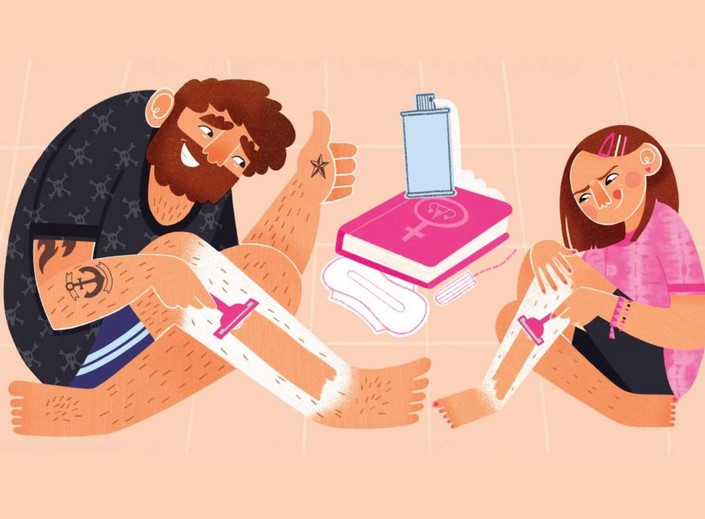
Puberty is a critical phase in a child’s development, marked by both physical and emotional changes. As children transition from childhood into adolescence, they undergo significant growth that can sometimes be confusing, overwhelming, or even intimidating. For parents, understanding how to navigate this transformative period with their children is essential. Puberty Education Resources can provide valuable tools to ensure both parents and children are well-prepared for this journey. In this article, we will explore essential resources, strategies, and guidelines that every parent should know when it comes to puberty education.

Understanding Puberty and Its Impact on Children

Puberty is a natural biological process that typically begins between the ages of 8 and 14 for girls and 9 and 15 for boys, although these timelines can vary. It involves a range of physical changes, including the development of secondary sexual characteristics (such as body hair and changes in the voice), as well as hormonal shifts that influence emotions, mood, and behavior.

These changes can be both exciting and challenging for children, as they may struggle to understand what is happening to their bodies. Parents play a vital role in guiding their children through this phase by providing accurate information, emotional support, and fostering open communication.

Some common physical and emotional changes during puberty include:

  • Physical Changes: Growth spurts, development of breasts in girls, deeper voices in boys, and the onset of menstruation.
  • Emotional and Social Changes: Increased sensitivity, mood swings, changes in social circles, and heightened self-awareness.
  • Sexual Development: The emergence of sexual feelings and curiosity, which may require thoughtful discussions on sexual health and relationships.

While the changes are universal, the way children experience puberty can differ based on individual growth patterns, family dynamics, and cultural backgrounds. With the right Puberty Education Resources, parents can help their children navigate these changes confidently and with understanding.

Key Puberty Education Resources for Parents

Parents often feel unsure about how to start conversations with their children regarding puberty. Thankfully, there is a wealth of resources available that can provide guidance and support, making these discussions more approachable and comfortable for everyone involved.

1. Books and Literature for Children and Parents

Books are one of the most accessible and effective resources for teaching children about puberty. Several titles cater specifically to children at different developmental stages, offering explanations that are age-appropriate and engaging. For parents, there are also a variety of books that provide helpful guidelines on how to talk about puberty with your child and how to manage your own feelings about these conversations.

Recommended Books for Children:

  • “The Care and Keeping of You: The Body Book for Girls” by Valorie Schaefer (American Girl): This book addresses the physical changes girls experience during puberty, from menstruation to body hair growth, and provides a space for questions and self-reflection.
  • “What’s Happening to My Body? Boy’s Edition” by Larry B. Silver: This book offers a comprehensive look at the changes boys can expect during puberty, covering everything from growth spurts to emotional shifts.
  • “The Period Book” by Karen Gravelle: A helpful resource for explaining menstruation, this book is geared toward pre-teens and young teens and offers a blend of science, humor, and practical advice.

Recommended Books for Parents:

  • “The Puberty Book: A Guide for Children and Parents” by Dr. Fiona McDonald: A family-oriented guide to puberty that offers practical tips on how to approach the topic with your child, including common challenges parents face.
  • “Puberty and the Teen Years” by Dr. Lynda Madison: A trusted source of information for understanding both the emotional and physical aspects of puberty, along with strategies to communicate effectively with adolescents.

2. Online Resources and Educational Websites

In today’s digital age, there are numerous online resources and educational websites that provide reliable and scientifically accurate information on puberty. Many of these websites offer interactive content that makes learning fun and engaging for children, as well as practical tools for parents.

Recommended Online Resources for Children:

  • KidsHealth.org: This website, part of the Nemours Foundation, offers articles and videos tailored to kids and teens about puberty, body changes, and health. The content is organized by age group and is designed to help children better understand what’s happening to their bodies.
  • WebMD – Puberty in Girls and Boys: WebMD provides detailed articles on the stages of puberty for both boys and girls. Parents can access information to guide their conversations with their children.
  • Planned Parenthood: Known for its focus on sexual and reproductive health, Planned Parenthood offers comprehensive resources on puberty and sexual development, addressing both physical changes and emotional well-being.

Recommended Online Resources for Parents:

  • Common Sense Media: This platform offers a wealth of information on how to discuss puberty and related topics with children, including sexual health and consent. It also reviews age-appropriate resources, apps, and books for parents.
  • American Academy of Pediatrics (AAP): The AAP provides in-depth articles and guidelines on how parents can support their children’s physical and emotional development during puberty. Their content includes expert advice and practical tips on handling sensitive issues.

3. Workshops, Support Groups, and Counseling

In addition to books and online resources, attending workshops or support groups can provide further education and guidance for parents. These events can be especially helpful for parents who feel uncertain or overwhelmed about navigating puberty with their children. Many schools, community centers, and healthcare organizations offer workshops designed to educate both parents and children about puberty, reproductive health, and emotional well-being.

Support Options:

  • School Health Programs: Many schools offer puberty education programs as part of their health curriculum. These programs often include a mix of classroom lessons, interactive activities, and take-home materials for parents. Attending these programs with your child can foster a collaborative approach to learning.
  • Therapists and Counselors: If your child is struggling emotionally with the changes of puberty, seeking guidance from a child psychologist or counselor can be beneficial. They can help both parents and children cope with issues like anxiety, body image concerns, or mood swings.

Puberty is a pivotal stage in a child’s life that brings about numerous changes. Parents can ease their children’s transition by using a variety of Puberty Education Resources, including books, online platforms, workshops, and counseling. These resources provide valuable insights into the physical, emotional, and social aspects of puberty and equip parents with the knowledge and tools necessary to have open, supportive conversations. By approaching puberty with patience, understanding, and accurate information, parents can ensure their children feel empowered, confident, and prepared for the challenges and growth that come with this important life stage.