You come home after a long day, flip on the switch, light a scented candle to relax, and wipe down your kitchen counters with a lemon-fresh disinfectant. It feels like the ultimate self-care ritual—clean, fresh, and serene. But what if that crisp, synthetic fragrance in the air is secretly loading your lungs with phthalates, volatile organic compounds (VOCs), and indoor air pollutants?
Over my ten years as a health writer working alongside environmental toxicologists and indoor air quality experts, I have visited hundreds of households. The most shocking realization I faced early in my career was this: the EPA estimates that indoor air can be two to five times more polluted than outdoor air. We spend nearly 90% of our lives indoors, meticulously washing our fruits and buying organic produce, yet we routinely sleep, breathe, and live in spaces filled with chemical stressors.
If you’ve been dealing with unexplained headaches, persistent morning sinus congestion, skin irritations, or chronic fatigue, your living environment might be sending out subtle alarm signals. Creating a safer home doesn’t mean building an sterile glass bubble overnight—it’s about using actionable toxin-free home tips to remove hidden environmental burdens step by step.
Understanding Your Indoor Environmental Load: The Bucket Analogy
To make sense of environmental toxicology without getting bogged down in complex chemical jargon, consider the “Overflowing Bucket” analogy.
Daily Environmental Exposures:
[Synthetic Fragrances] + [Off-Gassing Furniture] + [Plasticizers] + [Pesticide Residues]
                                      │
                                      ▼
                        ┌─────────────────────────┐
                        │    YOUR BODY'S BUCKET   │  <--- Liver, Kidneys, Lungs & Skin
                        └─────────────────────────┘
                                      │
                         (When the Bucket Overflows)
                                      ▼
             [Brain Fog, Chronic Fatigue, Allergies, Hormone Disruptions]
Your body has remarkable innate detoxification organs—your liver, kidneys, skin, and lungs work continuously to filter out waste. Think of your systemic resilience as a bucket. Every time you inhale synthetic air fresheners, cook with chipped non-stick pans, or track lawn pesticides into your living room on your shoes, you pour a cup of chemical waste into that bucket.
When your daily exposures exceed your body’s biological capacity to filter them, the bucket overflows. That overflow manifests as chronic inflammation, hormonal imbalances, and mysterious fatigue. Implementing smart toxin-free home tips drains the bucket, giving your immune and endocrine systems room to breathe and repair.
The Big Four: Uncovering Hidden Chemicals in Your Living Space
Where are these subtle pollutants hiding? Before we can swap them out, we need to understand the four main categories of chemical stressors lurking in conventional households:
1. Phthalates and Synthetic Fragrances
That “fresh rain” room spray or lavender laundry softener often relies on chemical fixatives called phthalates. These synthetic compounds act as known endocrine disruptors, interfering with hormone receptors, thyroid function, and reproductive health.
2. Volatile Organic Compounds (VOCs)
VOCs like formaldehyde, benzene, and toluene off-gas silently from conventional wall paints, synthetic carpets, pressed wood furniture, and dry-cleaned clothing. Long-term exposure to VOCs irritates your respiratory system and taxes liver enzymes.
3. PFAS (“Forever Chemicals”)
Per- and polyfluoroalkyl substances (PFAS) are synthetic chemicals designed to resist heat, oil, stain, and water. Found in non-stick cookware, stain-resistant rugs, and water-repellent fabrics, these stubborn compounds resist environmental breakdown and accumulate in human blood tissues over time.
4. Bisphenols (BPA, BPS) and Microplastics
Everyday plastic food storage containers, water bottles, and canned food linings leach bisphenols into your food, especially when heated in a microwave or washed in hot water.
Hidden Warning: Don’t be fooled by the “BPA-Free” label! Many manufacturers simply replace BPA with BPS (Bisphenol S) or BPF (Bisphenol F), chemical structural twins that exhibit similar hormone-disrupting traits in biological tissues. Always favor glass, stainless steel, or food-grade silicone over any plastic container.
Actionable Toxin-Free Home Tips Room by Room
Building a low-tox sanctuary is a marathon, not an aggressive sprint. Work through your home room by room, prioritizing high-impact swaps that deliver immediate health benefits.
Step 1: The Kitchen — Revolutionize Food Preparation
Your kitchen is the main gateway for chemical ingestion. Small changes here directly reduce your dietary chemical load.
-
Ditch Non-Stick Pans for Safe Cookware: Swap PTFE and PFOA Teflon pans for cast iron, enameled cast iron, stainless steel, or 100% ceramic cookware. If non-stick cookware gets scratched or overheated past 500°F (260°C), it releases toxic fumes and micro-plastic particles directly into your food.
-
Transition to Glass Food Storage: Replace plastic food containers with tempered glass or stainless steel. Never heat food inside plastic containers in the microwave.
-
Install a Quality Water Filter: Standard pitcher filters only clean basic taste and odor. Invest in a multi-stage Reverse Osmosis (RO) or solid block carbon filtration system to strip heavy metals, microplastics, fluoride, and pharmaceutical residues from your drinking water.
Step 2: The Bedroom — Safeguard Your Sleep Environment
Since you spend a third of your life in bed, your bedroom should be a restorative space free from off-gassing materials and heavy dust accumulation.
-
Practice a “No-Shoes” Household Policy: Up to 80% of environmental toxins—including lawn pesticides, lead dust, street tar, and pet waste—are tracked directly inside on shoe soles. Establish a shoe rack near your entrance.
-
Invest in HEPA Air Filtration: Place a high-efficiency particulate air (HEPA) filter in your bedroom to continuously remove fine dust particles, pet dander, mold spores, and airborne allergens.
-
Choose Natural Fiber Bedding: Look for GOTS-certified organic cotton, linen, or bamboo sheets to avoid synthetic flame retardants and wrinkle-resistant chemical coatings.
Step 3: The Bathroom and Laundry — Simplify Cleaning Supplies
Most commercial cleaning products rely on aggressive chemical agents that aren’t necessary for maintaining a hygienic home.
-
Swap Synthetic Fragrances for Essential Oils: Ditch plug-in air fresheners, scented candles, and dryer sheets. Use 100% pure essential oils in a cold-mist water diffuser, or place wool dryer balls in your tumble dryer.
-
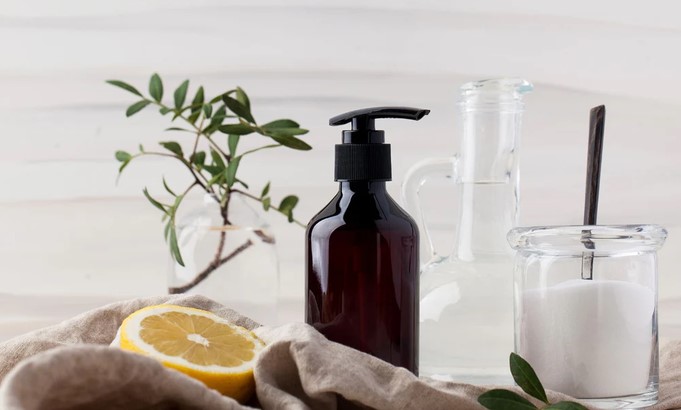
Embrace DIY Non-Toxic Cleaners: You can clean almost 90% of your home with three simple, inexpensive ingredients: distilled white vinegar, baking soda, and liquid castile soap.
Simple All-Purpose DIY Spray:
[1 Part Distilled Water] + [1 Part White Vinegar] + [10 Drops Lemon Essential Oil]
Pro Tip: When buying commercial green cleaners, look for reliable third-party certifications like EWG Verified, EPA Safer Choice, or USDA Certified Biobased Product. These independent certifications audit ingredients for real human toxicity, protecting you from “greenwashing” marketing tactics.
Prioritized Action Plan for Beginners
If you feel overwhelmed by where to start, follow this structured roadmap to focus your energy and budget on high-yield changes first:
| Priority Level | Focus Area | Actionable Swap / Strategy | Primary Health Benefit |
| Level 1 (Free / Low Cost) | Household Habits | Adopt a strict “no shoes inside” rule & open windows for 10 minutes daily | Immediate reduction in outdoor pesticides, lead dust, and indoor $CO_2$ accumulation |
| Level 2 (Budget Friendly) | Fragrance & Cleaning | Eliminate synthetic air fresheners; switch to vinegar, baking soda, and castile soap | Lowers respiratory irritation, phthalate exposure, and skin sensitivities |
| Level 3 (Moderate Investment) | Kitchen Tools | Replace scratched non-stick cookware with cast iron; swap plastic storage for glass | Stops ingestion of microplastics, PFAS, and bisphenol endocrine disruptors |
| Level 4 (Long-Term Goal) | Air & Water Quality | Install a multi-stage water filtration system & HEPA air purifiers in bedrooms | Filters heavy metals, microplastics, VOCs, and fine dust particles (PM2.5) |
Transforming Your Home into a True Wellness Sanctuary
Creating a healthier, low-tox home is an ongoing process of mindfulness, not a test of perfection. You don’t need to throw away every plastic item or commercial cleaner in your house tonight.
Every time you finish a product, make a deliberate decision to replace it with a cleaner, safer, non-toxic alternative. Over time, these small individual choices compound into a massive reduction in your family’s environmental burden—turning your living space into a true haven that nurtures your health and vitality for years to come.
What is the first non-toxic swap you plan to make in your home this week? Are you looking to upgrade your cookware, ditch synthetic air fresheners, or start a no-shoes rule at the front door? Drop your thoughts, questions, or favorite natural cleaning recipes in the comments below!


 You hit snooze three times, grab a sugar-laden protein bar on your way out the door, and rely on a mid-afternoon espresso just to survive your workday. By 8 PM, you are bloat-heavy, brain-fogged, and wondering why eating “healthy” according to modern calorie-counting apps still leaves you feeling utterly drained.