 In today’s fast-paced world, where distractions and stress are ever-present, it can be difficult to find moments of peace. Mindful breathing exercises are a powerful tool to help you slow down, reduce anxiety, and reconnect with the present moment. These simple practices involve focusing on your breath to center your thoughts and calm your mind. Whether you’re dealing with daily stress, feeling overwhelmed, or just looking for ways to relax, mindful breathing can offer a natural and effective solution. In this article, we will explore the benefits of mindful breathing exercises, how they work, and some simple techniques you can practice at home or on the go.
The Science Behind Mindful Breathing
Before diving into specific techniques, it’s important to understand why mindful breathing works. At its core, mindful breathing taps into the body’s natural ability to regulate itself. Breathing is one of the few bodily functions that can be consciously controlled, and this ability provides a powerful way to influence both the mind and the body.
When we experience stress or anxiety, our breath tends to become shallow, rapid, and irregular, which activates the body’s fight-or-flight response. This can lead to feelings of panic, nervousness, and tension. By practicing mindful breathing exercises, we intentionally slow down our breath, triggering the parasympathetic nervous system. This is the part of the nervous system responsible for “rest and digest” functions, which helps the body relax, lowers heart rate, and reduces stress hormones like cortisol.
In essence, mindful breathing brings us into the present moment, away from the worrying thoughts of the past or future, and encourages relaxation. Whether you’re dealing with stress, anxiety, or just want to promote mental clarity, mindful breathing exercises can provide a simple yet effective way to restore calm and focus.
Benefits of Mindful Breathing Exercises
Practicing mindful breathing on a regular basis can offer a variety of physical, mental, and emotional benefits. Below are some of the most significant advantages:
1. Reduces Stress and Anxiety
One of the most well-known benefits of mindful breathing exercises is their ability to reduce stress and anxiety. By focusing on slow, deep breaths, you can trigger your body’s relaxation response. This helps calm your nervous system and lower the physical symptoms of stress, such as elevated heart rate and muscle tension. Mindful breathing also helps prevent your mind from spiraling into anxious thoughts by focusing your attention on the present moment.
2. Improves Mental Clarity and Focus
Mindful breathing can help sharpen your mind and improve concentration. When you engage in deep, intentional breathing, it allows you to take a break from distractions, which can help clear mental fog and promote clarity. By regularly practicing mindful breathing exercises, you may find it easier to stay focused on tasks, make decisions, and manage your time more effectively.
3. Enhances Emotional Well-being
Mindful breathing not only helps with stress reduction but also promotes emotional regulation. It allows you to observe your emotions without judgment, creating space between feeling and reaction. This practice can help you better understand and manage your emotions, reducing impulsivity and reactivity. In turn, this can lead to improved mood, greater emotional resilience, and an overall sense of well-being.
4. Promotes Better Sleep
If you struggle with falling asleep or staying asleep, mindful breathing exercises may help. The relaxation techniques associated with deep breathing can activate your parasympathetic nervous system, promoting a calm and peaceful state. This can make it easier to unwind before bed and improve the overall quality of your sleep. In fact, practicing mindful breathing just before bedtime is an excellent way to prepare your body and mind for rest.
Simple Mindful Breathing Exercises to Try
Now that we’ve covered the benefits, let’s explore some simple mindful breathing exercises that you can incorporate into your daily routine. These practices are easy to do, require no special equipment, and can be practiced anywhere.
1. Deep Belly Breathing
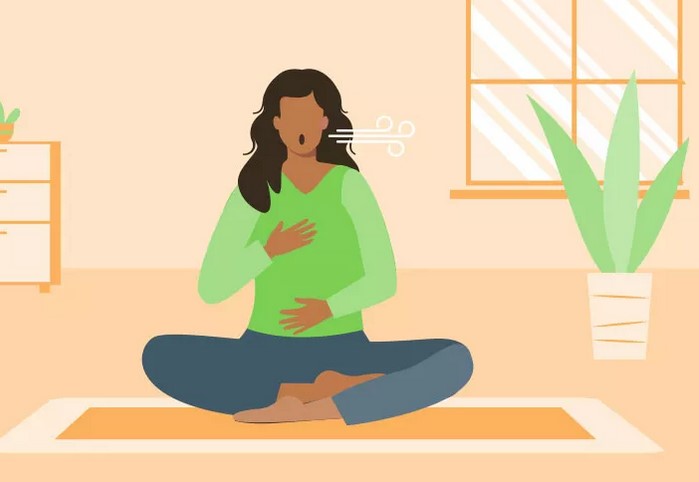
Deep belly breathing, also known as diaphragmatic breathing, is a simple yet effective technique to activate the body’s relaxation response. This exercise helps slow the heart rate and promotes a sense of calm.
How to do it:
- Sit or lie down in a comfortable position.
- Place one hand on your chest and the other on your abdomen.
- Inhale deeply through your nose, allowing your abdomen to rise (not your chest).
- Hold the breath for a count of three.
- Exhale slowly through your mouth, letting your abdomen fall.
- Repeat this process for 5-10 minutes, focusing on the rise and fall of your belly with each breath.
This technique is perfect for reducing anxiety and stress in moments when you need a quick relaxation tool.
2. 4-7-8 Breathing
The 4-7-8 breathing technique is a simple, structured breathing pattern that helps activate the parasympathetic nervous system and promote relaxation. This technique is often used for managing stress, anxiety, and insomnia.
How to do it:
- Sit comfortably with your back straight.
- Close your eyes and inhale quietly through your nose for a count of 4.
- Hold your breath for a count of 7.
- Exhale slowly and completely through your mouth for a count of 8.
- Repeat this cycle three to four times.
This breathing exercise is highly effective for calming the mind and body, making it an ideal practice for before bed or during moments of heightened stress.
3. Box Breathing (Square Breathing)
Box breathing, also known as square breathing, is another simple and effective technique to focus the mind and calm the body. This exercise involves breathing in four equal parts, much like tracing the sides of a square.
How to do it:
- Sit upright in a comfortable position with your hands resting on your knees.
- Inhale slowly and deeply through your nose for a count of 4.
- Hold your breath for a count of 4.
- Exhale slowly and completely through your mouth for a count of 4.
- Hold your breath again for a count of 4.
- Repeat the cycle for 5-10 minutes.
This exercise is especially useful for reducing stress and improving concentration, and it can be done anytime you need a moment of clarity.
4. Alternate Nostril Breathing
Alternate nostril breathing is a technique from yoga that helps balance the mind and calm the nervous system. It is particularly beneficial for reducing anxiety and promoting relaxation.
How to do it:
- Sit comfortably with your spine straight and shoulders relaxed.
- Using your right thumb, close off your right nostril.
- Inhale deeply through your left nostril.
- Close your left nostril with your right ring finger, and exhale through your right nostril.
- Inhale deeply through your right nostril.
- Close your right nostril with your right thumb and exhale through your left nostril.
- Repeat for 5-10 minutes.
This technique can be a great way to clear the mind and reduce stress, especially when you’re feeling overwhelmed or need to refocus.
Incorporating mindful breathing exercises into your daily routine can have a profound impact on your mental and physical health. These simple practices not only help reduce stress and anxiety, but they also improve focus, enhance emotional well-being, and promote better sleep. By dedicating just a few minutes each day to mindful breathing, you can cultivate a sense of calm and presence in your life. Whether you practice deep belly breathing or experiment with other techniques like 4-7-8 breathing or alternate nostril breathing, the key is consistency. Start today, and experience the transformative power of mindful breathing for yourself.