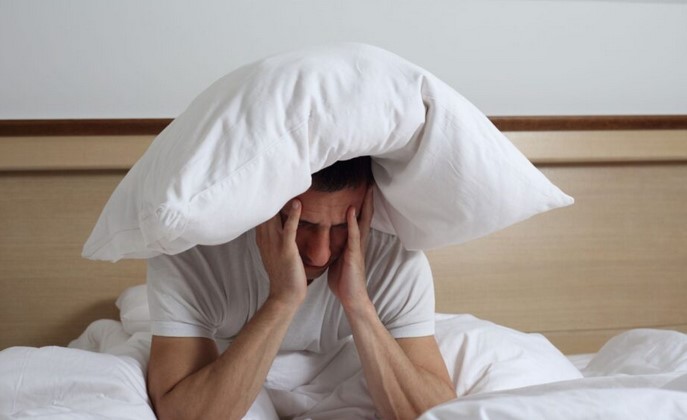
Sleep is a fundamental aspect of human health and well-being. However, millions of people around the world struggle with various sleep disorders that disrupt their ability to rest and recover each night. These disorders can affect people of all ages, from children to the elderly, and can lead to a range of physical and mental health issues if left untreated. In this article, we will explore the different types of sleep disorders, their causes, and some effective solutions to manage and alleviate these conditions.
What Are Sleep Disorders?
Sleep disorders are conditions that affect the ability to fall asleep, stay asleep, or experience restful sleep. They can be temporary or chronic and may significantly interfere with an individual’s daily functioning. Common sleep disorders include insomnia, sleep apnea, restless leg syndrome, and narcolepsy. While these conditions can vary in severity, they all share the common characteristic of disrupting normal sleep patterns, which can have serious consequences for a person’s physical, mental, and emotional health.
Types of Sleep Disorders
There are numerous types of sleep disorders, each with unique symptoms and potential causes. Below, we will discuss some of the most common and well-known sleep disorders:
- Insomnia
Insomnia is one of the most prevalent sleep disorders, characterized by difficulty falling asleep, staying asleep, or waking up too early. People with insomnia often experience daytime fatigue, irritability, and difficulty concentrating. This disorder can be caused by stress, anxiety, poor sleep hygiene, or certain medications. Chronic insomnia may also be linked to underlying health conditions such as depression or hormonal imbalances. - Sleep Apnea
Sleep apnea is a disorder where a person experiences brief interruptions in their breathing during sleep. This often leads to fragmented sleep and a decrease in oxygen levels, resulting in daytime sleepiness and fatigue. There are two main types of sleep apnea: obstructive sleep apnea (OSA), which occurs when the airway becomes blocked, and central sleep apnea, where the brain fails to signal the body to breathe. People with sleep apnea may experience loud snoring, choking sensations, and frequent awakenings throughout the night. - Restless Leg Syndrome (RLS)
Restless Leg Syndrome is a neurological condition that causes an uncontrollable urge to move the legs, usually accompanied by uncomfortable sensations such as tingling or itching. These sensations often occur when a person is at rest, particularly in the evening or during sleep. RLS can lead to difficulty falling asleep and staying asleep, as the discomfort prompts individuals to move their legs frequently throughout the night. - Narcolepsy
Narcolepsy is a chronic sleep disorder characterized by excessive daytime sleepiness, even after a full night of sleep. People with narcolepsy may experience sudden “sleep attacks,” where they fall asleep unexpectedly during the day. In some cases, narcolepsy is accompanied by cataplexy, which is a sudden loss of muscle strength triggered by emotions such as laughter or excitement. This condition is often due to a dysfunction in the brain’s regulation of sleep-wake cycles. - Circadian Rhythm Disorders
Circadian rhythm disorders occur when a person’s internal biological clock is out of sync with their external environment. This can lead to sleep disturbances, particularly in people who work irregular shifts or travel frequently across time zones. Examples of circadian rhythm disorders include shift work sleep disorder and jet lag. These conditions can make it difficult to maintain a consistent sleep schedule and may result in fatigue, irritability, and poor performance at work or school.
Causes of Sleep Disorders
The causes of sleep disorders are diverse and can range from lifestyle factors to underlying medical conditions. Understanding the root cause of a sleep disorder is crucial in finding the right treatment. Below are some of the most common causes:
1. Stress and Anxiety
Chronic stress and anxiety are among the most common causes of insomnia and other sleep disorders. When the mind is preoccupied with worries or anxieties, it becomes difficult to relax and fall asleep. High levels of cortisol, the stress hormone, can also disrupt sleep by keeping the body in a heightened state of alertness. Addressing the source of stress and practicing relaxation techniques can help mitigate the impact of anxiety on sleep.
2. Lifestyle Factors
Poor sleep hygiene, such as irregular sleep schedules, excessive caffeine consumption, and the use of electronic devices before bed, can contribute to sleep disturbances. Additionally, lifestyle choices like lack of exercise, smoking, and alcohol consumption can also affect sleep quality. Making adjustments to daily habits can often result in significant improvements in sleep quality.
3. Health Conditions
Chronic health conditions such as depression, diabetes, obesity, and heart disease can contribute to sleep disorders. For instance, people with depression may experience disruptions in their sleep patterns, while those with obesity are at a higher risk of developing sleep apnea. Similarly, certain medications used to treat health conditions can interfere with sleep, either by causing drowsiness or stimulating wakefulness.
4. Age-Related Changes
As people age, they often experience changes in their sleep patterns. Older adults may find it more difficult to fall asleep and may wake up more frequently during the night. Additionally, older adults are more likely to suffer from sleep disorders such as sleep apnea or restless leg syndrome. These age-related changes can be exacerbated by other health conditions or medications.
Solutions to Sleep Disorders
While sleep disorders can be frustrating, there are many effective solutions available to improve sleep quality and restore healthy sleep patterns. Below are some common treatments and strategies:
1. Cognitive Behavioral Therapy for Insomnia (CBT-I)
Cognitive behavioral therapy for insomnia (CBT-I) is a type of therapy that focuses on changing negative thought patterns and behaviors related to sleep. It helps individuals address the root causes of insomnia and develop healthier sleep habits. Studies have shown that CBT-I is an effective treatment for both short-term and chronic insomnia.
2. Sleep Apnea Treatment
For individuals with sleep apnea, continuous positive airway pressure (CPAP) therapy is often the first line of treatment. This involves wearing a mask over the nose or mouth during sleep to keep the airway open. In some cases, lifestyle changes such as weight loss, smoking cessation, and sleeping on one’s side can help alleviate symptoms. Surgery may also be considered in severe cases of sleep apnea.
3. Medications
In some cases, medications may be prescribed to treat sleep disorders. For example, doctors may prescribe sedatives or sleep aids to help people with insomnia fall asleep. However, medications are typically recommended for short-term use, as they can be habit-forming and may not address the underlying cause of the sleep disorder.
4. Lifestyle Changes
Implementing good sleep hygiene practices is essential for improving sleep. This includes establishing a consistent sleep schedule, creating a relaxing bedtime routine, avoiding caffeine and heavy meals before bed, and limiting screen time in the evening. Regular physical activity and stress management techniques, such as meditation or yoga, can also improve sleep quality.
Sleep disorders can have a profound impact on an individual’s quality of life, leading to physical and mental health challenges. Understanding the causes of sleep disorders and exploring effective treatments is essential for managing these conditions. By adopting healthy sleep habits, seeking professional treatment, and addressing any underlying health issues, individuals can improve their sleep and overall well-being. If you or someone you know is struggling with a sleep disorder, it is important to consult with a healthcare professional to find the right solution tailored to your needs.