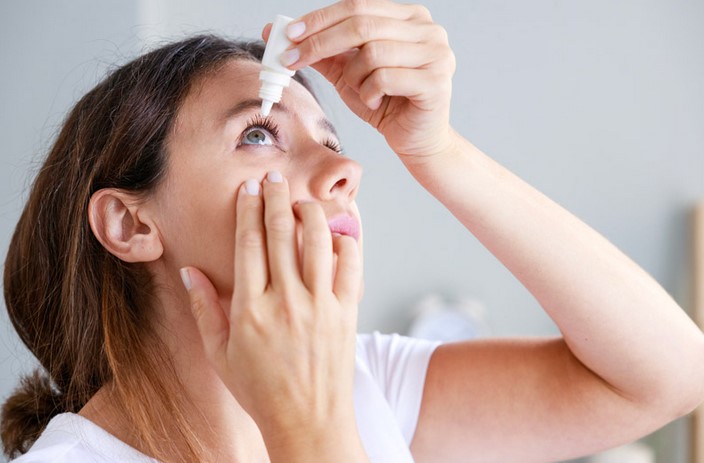
Eye drops are a common and effective solution for a variety of eye-related issues, such as dryness, irritation, allergies, and infections. Whether you’re dealing with seasonal allergies or suffering from dry eye syndrome, eye drops can offer quick relief and improve comfort. However, eye drops safety is something that should not be overlooked. Despite their accessibility and ease of use, incorrect application, overuse, or using the wrong type of eye drop can lead to potential risks and side effects. Understanding the proper usage, types of eye drops, and safety measures is essential to ensure that your eyes remain healthy and free from harm. In this article, we will explore the different types of eye drops, the importance of proper usage, and key safety tips to keep in mind when using them.
Different Types of Eye Drops and Their Uses
Eye drops come in various formulations, each designed to address different eye conditions. It’s crucial to choose the right type of eye drop for your specific needs, as improper use can lead to further irritation or complications.
1. Artificial Tears (Lubricating Drops)
Artificial tears are among the most commonly used eye drops. They are designed to provide relief for dry eyes by mimicking the natural tears produced by the body. Artificial tears work by lubricating the eyes, helping to flush out irritants and reduce dryness and discomfort. These drops are particularly helpful for people who experience dryness due to environmental factors (e.g., air conditioning, wind, or pollution) or medical conditions like dry eye syndrome.
While artificial tears are generally safe for regular use, it’s important to select preservative-free varieties if you need to use them frequently. Preservatives in eye drops can sometimes cause irritation, especially with long-term use.
2. Antihistamine Drops
For individuals who suffer from eye allergies, antihistamine eye drops can provide quick relief. These drops work by blocking the action of histamine, a substance in the body that causes allergy symptoms such as itching, redness, and swelling. Antihistamine drops are commonly used during allergy seasons when pollen, dust, or pet dander can trigger allergic reactions in the eyes.
While these drops can be very effective, they should only be used for a short period, as prolonged use can cause rebound effects, worsening symptoms once the medication is discontinued. If you find yourself needing antihistamine drops frequently, it’s a good idea to consult with an eye care professional to address the underlying cause of the allergies.
3. Decongestant Drops
Decongestant eye drops are designed to reduce redness in the eyes caused by blood vessel dilation. These drops constrict the blood vessels in the eye, which temporarily reduces redness and makes the eyes appear clearer and whiter. While decongestant drops can provide instant relief, they should be used sparingly.
Using decongestant eye drops too frequently can cause the blood vessels in the eyes to become dependent on the medication, leading to a phenomenon known as “rebound redness.” This means the redness may worsen once you stop using the drops, and over time, your eyes may become more irritated.
4. Antibiotic Drops
Antibiotic eye drops are typically prescribed to treat bacterial eye infections, such as conjunctivitis (pink eye). These drops contain antibiotics that target the bacteria causing the infection and help to reduce inflammation, swelling, and discomfort. If you are prescribed antibiotic eye drops, it’s important to use the medication for the full prescribed course, even if symptoms improve before finishing the treatment. Not completing the course can result in the infection returning or becoming resistant to the antibiotic.
5. Steroid Eye Drops
Steroid eye drops are often used to treat inflammation caused by conditions such as uveitis, eye injuries, or post-surgery inflammation. These drops are powerful anti-inflammatory medications that can help reduce swelling, pain, and irritation in the eye. However, steroid eye drops should only be used under the supervision of an eye care professional, as they can increase the risk of developing other eye conditions, such as glaucoma or cataracts, if used improperly or for extended periods.
Key Safety Tips for Using Eye Drops
While eye drops are generally safe when used correctly, improper use can lead to potential risks, including infections, irritation, or side effects. Here are some important eye drops safety tips to ensure that you are using them properly:
1. Wash Your Hands
Before applying any type of eye drop, always wash your hands thoroughly with soap and water. This helps to prevent introducing bacteria or other contaminants into your eyes, reducing the risk of infection. Clean hands also prevent transferring germs to the bottle, which can further contaminate the eye drop container.
2. Do Not Touch the Tip of the Bottle
Avoid touching the tip of the eye drop bottle to your eye or any other surface. This helps to keep the bottle tip sterile and prevents contamination. If the tip comes into contact with your eye or hands, it can transfer bacteria into the bottle, which could lead to an infection.
3. Tilt Your Head Back and Pull Down Your Lower Lid
To ensure that the eye drops are properly distributed in the eye, tilt your head back slightly and gently pull down your lower eyelid to form a small pocket. This will create a space for the drops to enter the eye. Avoid blinking immediately after applying the drops, as blinking may cause the medication to be flushed out of the eye.
4. Avoid Overuse
While it might be tempting to use eye drops frequently to relieve discomfort, overuse can lead to negative consequences. For example, decongestant drops can cause rebound redness, while prolonged use of certain medications can lead to tolerance, irritation, or even damage to the eyes. If you find that you need to use eye drops consistently for an extended period, consult with an eye care professional to discuss your symptoms and find a long-term solution.
5. Check the Expiry Date
Like any medication, eye drops have a shelf life and can lose their effectiveness after the expiration date. Using expired eye drops can not only reduce their efficacy but may also cause irritation or infection. Always check the expiry date on the packaging before using eye drops and discard any bottles that have passed their expiration date.
6. Avoid Sharing Eye Drops
Eye drops are intended for personal use only and should not be shared with others. Sharing eye drops can lead to the spread of infections and may introduce contaminants into the bottle. Even if the person you’re sharing with has the same eye condition, it’s important to use separate bottles of eye drops to maintain hygiene and prevent potential cross-contamination.
In conclusion, eye drops safety is a vital consideration when using these products to manage various eye conditions. Whether you’re using lubricating drops for dry eyes, antihistamines for allergies, or prescribed medication for an infection, following proper usage guidelines is essential to avoid complications and ensure that your eyes remain healthy. Always consult with an eye care professional if you have concerns about the type of eye drops you should use or how to apply them correctly. By following safety protocols and understanding the proper application of eye drops, you can effectively manage your eye health and avoid unnecessary risks.