Vitamin C, also known as ascorbic acid, is a powerful water-soluble antioxidant that plays a pivotal role in maintaining the body’s overall health and immune function. From helping the body fight off infections to promoting collagen production for healthy skin and tissues, vitamin C is a key player in several biological processes. It is widely regarded as one of the most essential nutrients for bolstering immune health, and research suggests that adequate vitamin C intake may help reduce the severity and duration of illnesses, such as the common cold, while promoting long-term immunity. In this article, we will explore the relationship between Vitamin C and Immune Function, examining how this essential nutrient supports immune defense, its natural sources, and the best ways to ensure you’re getting enough of it in your daily diet.
The Role of Vitamin C in Immune Function
Vitamin C is often thought of as an immunity booster, but its role in the immune system extends far beyond just helping to prevent illness. It acts as a potent antioxidant, neutralizing harmful free radicals that can damage healthy cells and tissues. Additionally, vitamin C is crucial for the production and function of white blood cells, which are responsible for defending the body against foreign invaders like bacteria, viruses, and other pathogens. The nutrient helps stimulate the production of these cells, ensuring that the body can mount a strong immune response when needed.
How Vitamin C Enhances Immune Cells
One of the primary ways in which Vitamin C and Immune Function are connected is through its ability to enhance the activity of white blood cells, including neutrophils, lymphocytes, and phagocytes. These immune cells play a central role in fighting infections and responding to injuries. Vitamin C boosts their ability to identify and neutralize invading pathogens, essentially strengthening the body’s first line of defense.
Research has shown that vitamin C promotes the proliferation of T-cells, which are essential for recognizing and destroying infected cells. Additionally, vitamin C increases the production of interferons—proteins that help regulate the immune system’s response to viral infections. This interplay between vitamin C and immune cells underscores the critical nature of this nutrient for maintaining a healthy immune system.
Natural Sources of Vitamin C
To harness the full benefits of vitamin C for immune function, it’s important to know where to find it in your diet. While supplements are an option, it’s generally best to consume vitamin C through whole foods, as they provide a range of other nutrients and antioxidants that support overall health.
Fruits and Vegetables Rich in Vitamin C
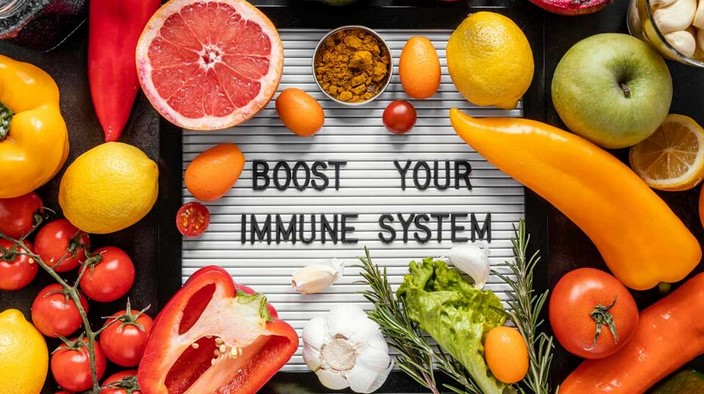
Citrus fruits, such as oranges, grapefruits, and lemons, are some of the most well-known sources of vitamin C. However, there are many other fruits and vegetables that provide an abundance of this vital nutrient. For example, kiwifruits, strawberries, and papayas are all excellent sources of vitamin C, offering more than the daily recommended intake in just one serving.
Vegetables, especially leafy greens and bell peppers, are also rich in vitamin C. A single red bell pepper, for instance, contains more than three times the daily recommended amount of vitamin C. Other good vegetable sources include broccoli, Brussels sprouts, and spinach. By including a variety of these vitamin C-rich foods in your diet, you can ensure that you’re supporting your immune function naturally.
How to Maximize Vitamin C Absorption
While getting enough vitamin C is essential, how you prepare and consume vitamin C-rich foods can impact how well your body absorbs this important nutrient. Vitamin C is sensitive to heat, light, and oxygen, which means that cooking or over-processing foods can lead to a loss of its potency. To maximize absorption, it’s best to consume fruits and vegetables raw or lightly steamed.
Additionally, pairing vitamin C-rich foods with other nutrients can enhance its absorption. For example, vitamin C is known to improve the absorption of iron from plant-based sources, so including vitamin C-rich foods like bell peppers or citrus fruits in meals with leafy greens or legumes can boost your iron intake as well.
The Connection Between Vitamin C and Immunity in the Cold Weather
As colder months approach, many people experience a decline in immune function, which makes them more susceptible to colds, flu, and other illnesses. During these months, it’s even more crucial to focus on optimizing vitamin C intake. Because vitamin C is water-soluble, the body doesn’t store it, which means we need a consistent supply through our diet.
In fact, research has suggested that taking vitamin C regularly during the winter can help reduce the risk of contracting a cold, and if you do get sick, vitamin C may shorten the duration of your symptoms. Some studies have even shown that vitamin C supplementation can be particularly helpful for individuals who experience frequent exposure to physical stressors, such as athletes or those in high-risk environments.
In conclusion, Vitamin C and Immune Function are intrinsically linked, with this essential nutrient playing a critical role in maintaining a robust and responsive immune system. By supporting the production and activity of immune cells, neutralizing free radicals, and promoting overall health, vitamin C serves as a natural and effective defense against illness. Ensuring that you consume a diet rich in vitamin C through whole foods such as citrus fruits, berries, and vegetables is a simple yet powerful way to boost your immune system and keep it functioning optimally year-round. Whether you’re aiming to prevent illness, shorten the duration of a cold, or simply maintain your health, vitamin C is one nutrient you don’t want to overlook.