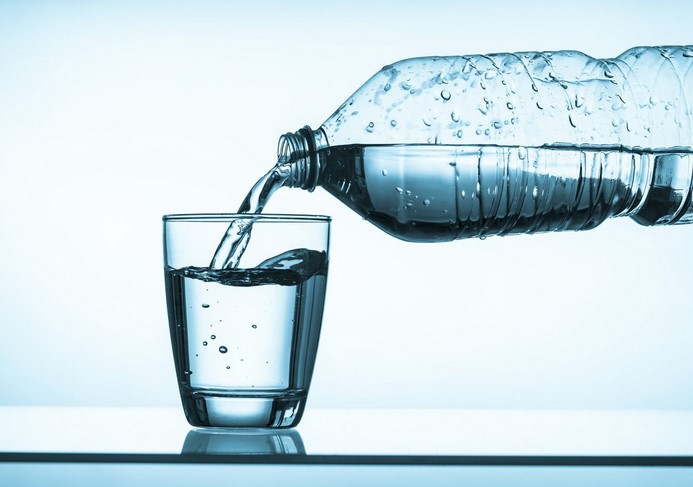
Hydration Tracking Tips are becoming increasingly relevant in a world where busy schedules, indoor lifestyles, and digital distractions often cause people to overlook one of the most basic health needs: drinking enough water. While many individuals understand that hydration is important, consistently meeting daily fluid requirements remains a challenge. Tracking water intake transforms hydration from a vague goal into a measurable habit, helping people maintain energy, focus, and overall well-being through greater awareness and accountability.
Why Tracking Hydration Matters More Than You Think
Hydration plays a critical role in nearly every bodily function, including circulation, digestion, temperature regulation, and cognitive performance. Despite this, dehydration is surprisingly common, even among individuals who consider themselves health-conscious. One reason is that the body’s thirst signal is not always a reliable indicator of fluid needs, particularly during long work hours, cooler weather, or periods of stress.
Tracking hydration provides clarity. By monitoring intake throughout the day, individuals gain a realistic picture of their habits rather than relying on assumptions. This awareness helps identify patterns, such as consistently drinking too little in the morning or forgetting to hydrate during periods of intense concentration. Over time, tracking makes hydration intentional rather than incidental.
Another benefit of hydration tracking is its preventive value. Mild, chronic dehydration can contribute to fatigue, headaches, reduced concentration, and digestive discomfort. These symptoms are often misattributed to lack of sleep or stress. Tracking water intake allows individuals to rule out hydration as a contributing factor and adjust behaviors before minor issues escalate.
From a long-term perspective, consistent hydration supports kidney health, cardiovascular efficiency, and metabolic balance. Tracking helps ensure that hydration is maintained not just occasionally, but as a sustainable daily practice aligned with overall health goals.
Practical Methods to Track Water Intake
There is no single best way to track hydration; the most effective method is one that fits seamlessly into an individual’s lifestyle. Some people prefer digital tools, while others find physical reminders more effective. The key is consistency rather than complexity.
Digital tracking methods have grown in popularity due to convenience. Mobile applications and smart devices allow users to log water intake with minimal effort and provide reminders throughout the day. These tools often adapt to personal factors such as activity level or climate, offering tailored hydration targets. However, digital tools are most effective when notifications are used thoughtfully, as excessive reminders can be ignored over time.
For those who prefer a low-tech approach, visual cues can be surprisingly powerful. Using a reusable water bottle with volume markings allows for easy estimation of daily intake. Setting simple goals, such as finishing a bottle a certain number of times per day, reduces the need for detailed tracking while still promoting awareness.
Turning Tracking Into a Habit
The success of hydration tracking depends largely on habit formation. Linking water intake to existing routines makes tracking feel natural rather than forced. Drinking a glass of water upon waking, before meals, or after completing specific tasks creates consistent cues that reinforce hydration behavior.
Environment also plays an important role. Keeping water within reach at work, at home, or during travel removes friction and increases the likelihood of regular intake. Tracking becomes easier when hydration is supported by thoughtful placement and availability.
It is also important to remain flexible. Hydration needs fluctuate based on physical activity, temperature, and health status. Tracking should be used as a guide rather than a rigid rule. The goal is to stay attentive to hydration patterns, not to create stress around meeting exact numbers.
Using Data to Improve Long-Term Hydration
Tracking water intake is most valuable when the information gathered is used to make informed adjustments. Reviewing hydration data over time can reveal trends that might otherwise go unnoticed. For example, individuals may discover that they consistently fall short on weekends or during travel, prompting targeted strategies for those situations.
Hydration data can also be integrated into broader wellness planning. Adequate hydration supports physical performance, cognitive clarity, and recovery, making it relevant for individuals with fitness, productivity, or health management goals. By aligning hydration habits with these objectives, tracking becomes more meaningful and motivating.
Another advantage of long-term tracking is its role in self-regulation. Over time, individuals often develop an intuitive sense of their hydration needs. Tracking then shifts from a daily requirement to a periodic check-in, ensuring habits remain aligned with changing circumstances.
It is also worth recognizing that hydration includes more than plain water. Foods with high water content and other beverages contribute to total fluid intake. Tracking encourages a more holistic understanding of hydration, helping individuals make balanced choices without unnecessary restriction.
In conclusion, Hydration Tracking Tips offer a structured yet adaptable approach to maintaining consistent water intake in daily life. By increasing awareness, supporting habit formation, and providing actionable insights, tracking transforms hydration into a sustainable health practice rather than an afterthought. When approached with flexibility and intention, hydration tracking empowers individuals to stay energized, focused, and resilient through better daily choices.