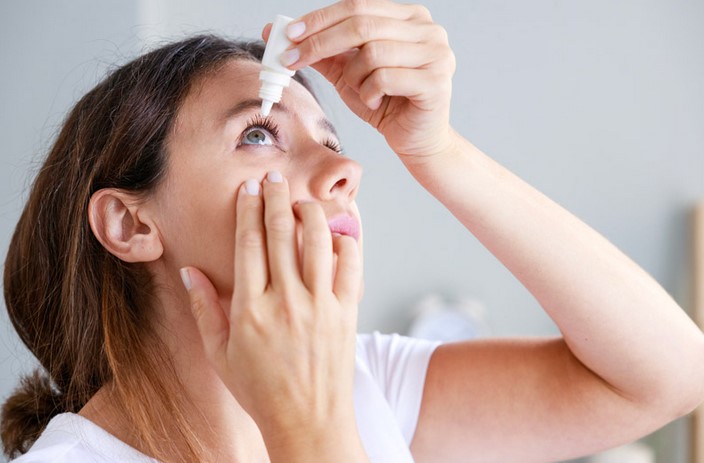
Eye Drops Safety: What You Should Know Before Using Them

Source:https://my.clevelandclinic.org

Eye drops are a common and effective solution for a variety of eye-related issues, such as dryness, irritation, allergies, and infections. Whether you’re dealing with seasonal allergies or suffering from dry eye syndrome, eye drops can offer quick relief and improve comfort. However, eye drops safety is something that should not be overlooked. Despite their accessibility and ease of use, incorrect application, overuse, or using the wrong type of eye drop can lead to potential risks and side effects. Understanding the proper usage, types of eye drops, and safety measures is essential to ensure that your eyes remain healthy and free from harm. In this article, we will explore the different types of eye drops, the importance of proper usage, and key safety tips to keep in mind when using them.

Different Types of Eye Drops and Their Uses

Eye drops come in various formulations, each designed to address different eye conditions. It’s crucial to choose the right type of eye drop for your specific needs, as improper use can lead to further irritation or complications.

1. Artificial Tears (Lubricating Drops)

Artificial tears are among the most commonly used eye drops. They are designed to provide relief for dry eyes by mimicking the natural tears produced by the body. Artificial tears work by lubricating the eyes, helping to flush out irritants and reduce dryness and discomfort. These drops are particularly helpful for people who experience dryness due to environmental factors (e.g., air conditioning, wind, or pollution) or medical conditions like dry eye syndrome.

While artificial tears are generally safe for regular use, it’s important to select preservative-free varieties if you need to use them frequently. Preservatives in eye drops can sometimes cause irritation, especially with long-term use.

2. Antihistamine Drops

For individuals who suffer from eye allergies, antihistamine eye drops can provide quick relief. These drops work by blocking the action of histamine, a substance in the body that causes allergy symptoms such as itching, redness, and swelling. Antihistamine drops are commonly used during allergy seasons when pollen, dust, or pet dander can trigger allergic reactions in the eyes.

While these drops can be very effective, they should only be used for a short period, as prolonged use can cause rebound effects, worsening symptoms once the medication is discontinued. If you find yourself needing antihistamine drops frequently, it’s a good idea to consult with an eye care professional to address the underlying cause of the allergies.

3. Decongestant Drops

Decongestant eye drops are designed to reduce redness in the eyes caused by blood vessel dilation. These drops constrict the blood vessels in the eye, which temporarily reduces redness and makes the eyes appear clearer and whiter. While decongestant drops can provide instant relief, they should be used sparingly.

Using decongestant eye drops too frequently can cause the blood vessels in the eyes to become dependent on the medication, leading to a phenomenon known as “rebound redness.” This means the redness may worsen once you stop using the drops, and over time, your eyes may become more irritated.

4. Antibiotic Drops

Antibiotic eye drops are typically prescribed to treat bacterial eye infections, such as conjunctivitis (pink eye). These drops contain antibiotics that target the bacteria causing the infection and help to reduce inflammation, swelling, and discomfort. If you are prescribed antibiotic eye drops, it’s important to use the medication for the full prescribed course, even if symptoms improve before finishing the treatment. Not completing the course can result in the infection returning or becoming resistant to the antibiotic.

5. Steroid Eye Drops

Steroid eye drops are often used to treat inflammation caused by conditions such as uveitis, eye injuries, or post-surgery inflammation. These drops are powerful anti-inflammatory medications that can help reduce swelling, pain, and irritation in the eye. However, steroid eye drops should only be used under the supervision of an eye care professional, as they can increase the risk of developing other eye conditions, such as glaucoma or cataracts, if used improperly or for extended periods.

Key Safety Tips for Using Eye Drops

While eye drops are generally safe when used correctly, improper use can lead to potential risks, including infections, irritation, or side effects. Here are some important eye drops safety tips to ensure that you are using them properly:

1. Wash Your Hands

Before applying any type of eye drop, always wash your hands thoroughly with soap and water. This helps to prevent introducing bacteria or other contaminants into your eyes, reducing the risk of infection. Clean hands also prevent transferring germs to the bottle, which can further contaminate the eye drop container.

2. Do Not Touch the Tip of the Bottle

Avoid touching the tip of the eye drop bottle to your eye or any other surface. This helps to keep the bottle tip sterile and prevents contamination. If the tip comes into contact with your eye or hands, it can transfer bacteria into the bottle, which could lead to an infection.

3. Tilt Your Head Back and Pull Down Your Lower Lid

To ensure that the eye drops are properly distributed in the eye, tilt your head back slightly and gently pull down your lower eyelid to form a small pocket. This will create a space for the drops to enter the eye. Avoid blinking immediately after applying the drops, as blinking may cause the medication to be flushed out of the eye.

4. Avoid Overuse

While it might be tempting to use eye drops frequently to relieve discomfort, overuse can lead to negative consequences. For example, decongestant drops can cause rebound redness, while prolonged use of certain medications can lead to tolerance, irritation, or even damage to the eyes. If you find that you need to use eye drops consistently for an extended period, consult with an eye care professional to discuss your symptoms and find a long-term solution.

5. Check the Expiry Date

Like any medication, eye drops have a shelf life and can lose their effectiveness after the expiration date. Using expired eye drops can not only reduce their efficacy but may also cause irritation or infection. Always check the expiry date on the packaging before using eye drops and discard any bottles that have passed their expiration date.

6. Avoid Sharing Eye Drops

Eye drops are intended for personal use only and should not be shared with others. Sharing eye drops can lead to the spread of infections and may introduce contaminants into the bottle. Even if the person you’re sharing with has the same eye condition, it’s important to use separate bottles of eye drops to maintain hygiene and prevent potential cross-contamination.

In conclusion, eye drops safety is a vital consideration when using these products to manage various eye conditions. Whether you’re using lubricating drops for dry eyes, antihistamines for allergies, or prescribed medication for an infection, following proper usage guidelines is essential to avoid complications and ensure that your eyes remain healthy. Always consult with an eye care professional if you have concerns about the type of eye drops you should use or how to apply them correctly. By following safety protocols and understanding the proper application of eye drops, you can effectively manage your eye health and avoid unnecessary risks.


Birth Control Options: Understanding Your Choices for Family Planning

Source:https://sa1s3optim.patientpop.com

Family planning is an essential aspect of reproductive health, and one of the most important decisions individuals and couples must make is about birth control. With a wide variety of birth control options available, it can be challenging to choose the method that best fits your lifestyle, health, and reproductive goals. Whether you’re looking to prevent pregnancy for a short period or long-term, the right contraceptive method can offer control over your reproductive health and improve your overall well-being. This article will explore the different birth control methods, their effectiveness, and considerations to keep in mind when making your decision.

Types of Birth Control Methods

Birth control options are available in various forms, each with different mechanisms of action, effectiveness, and suitability for different individuals. Understanding the types of contraceptives can help you make an informed choice. Broadly, birth control can be categorized into hormonal, barrier, and permanent methods.

1. Hormonal Birth Control

Hormonal birth control works by altering the body’s natural hormonal balance to prevent pregnancy. These methods typically contain synthetic versions of the hormones estrogen and/or progestin, which inhibit ovulation (the release of eggs from the ovaries), thicken cervical mucus to prevent sperm from reaching the egg, and thin the uterine lining to prevent implantation.

Some common hormonal methods include:

  • Birth Control Pills: These are oral tablets taken daily that contain either combined estrogen and progestin or just progestin. The pill is highly effective when taken correctly but can be less reliable if missed or taken inconsistently.
  • Contraceptive Patch: The patch is worn on the skin and releases hormones into the bloodstream. It’s typically worn for one week at a time and changed monthly. It offers convenience for those who don’t want to take a pill every day.
  • Birth Control Shot: The shot, typically administered every three months, contains progestin and works by preventing ovulation. It is a long-acting method but requires periodic visits to a healthcare provider.
  • Intrauterine Device (IUD): While IUDs are often considered a non-hormonal option, certain IUDs release small amounts of progestin. They are placed in the uterus and can remain effective for three to five years depending on the type.
  • Implants: Small rods inserted under the skin of the upper arm that release progestin over time. They are effective for up to three years and offer long-term, hassle-free contraception.

While hormonal birth control methods are highly effective, they may not be suitable for everyone due to potential side effects, such as headaches, mood changes, or blood clot risks. Consulting a healthcare provider can help determine if hormonal options are the best choice for you.

2. Barrier Methods

Barrier methods prevent pregnancy by physically blocking sperm from entering the uterus and fertilizing an egg. These methods do not alter hormonal levels, making them a popular choice for individuals who prefer non-hormonal birth control or have concerns about the side effects of hormones.

  • Condoms: Available for both males and females, condoms are the most widely used barrier method. Male condoms are worn over the penis, while female condoms are inserted into the vagina. In addition to preventing pregnancy, condoms also provide protection against sexually transmitted infections (STIs).
  • Diaphragm and Cervical Cap: These are small, dome-shaped devices placed over the cervix to prevent sperm from entering the uterus. They are used with spermicide to enhance their effectiveness. These methods require a prescription and need to be fitted by a healthcare provider.
  • Sponge: The sponge is a soft, disposable device that is inserted into the vagina before intercourse. It contains spermicide and acts as a barrier to prevent sperm from reaching the egg.

While barrier methods are non-hormonal, they tend to be less effective than hormonal methods, especially if not used correctly. For maximum effectiveness, they should be combined with spermicide or used consistently with each sexual act.

3. Permanent Birth Control Methods

For individuals who are certain they do not want to have children in the future, permanent birth control options provide a long-term solution. These methods are typically irreversible and require careful consideration before making a decision.

  • Tubal Ligation: Commonly known as “getting your tubes tied,” tubal ligation involves surgically closing or blocking the fallopian tubes to prevent eggs from meeting sperm. It is a permanent form of contraception and is typically recommended for women who are certain they do not want to have children.
  • Vasectomy: This is the male equivalent of tubal ligation, in which the vas deferens (the tubes that carry sperm) are surgically cut or blocked. It is a permanent solution to prevent sperm from being ejaculated. Like tubal ligation, a vasectomy is usually considered irreversible.

Both tubal ligation and vasectomy are highly effective, but they are intended for individuals or couples who are absolutely sure they do not want to have children in the future. While some surgical options can be reversed, success rates for reversal procedures can vary.

Factors to Consider When Choosing a Birth Control Method

When deciding which birth control options are best for you, several factors should be taken into account to ensure that you make the right choice for your health, lifestyle, and family planning goals.

1. Health Considerations

Certain birth control methods may not be suitable for individuals with specific health conditions. For example, women who smoke and are over 35 may not be advised to use birth control pills containing estrogen due to an increased risk of blood clots. Similarly, women with certain medical conditions, such as liver disease or a history of breast cancer, may be advised to avoid hormonal methods. Consulting with a healthcare provider can help you choose a method that aligns with your health needs.

2. Lifestyle and Convenience

Some birth control methods require more frequent attention than others. For example, birth control pills need to be taken daily, while IUDs and implants require less maintenance once they are in place. Your lifestyle and ability to remember to take pills or visit a doctor for periodic injections or check-ups can impact your decision. If you’re looking for a low-maintenance, long-term method, options like implants or IUDs may be ideal.

3. Effectiveness

The effectiveness of birth control methods varies. Some methods, like IUDs and sterilization, are nearly 100% effective, while others, like condoms or the pill, require correct and consistent use to be effective. When selecting a method, consider how much time and effort you are willing to commit to ensuring its effectiveness.

4. Future Reproductive Plans

If you are considering future pregnancies, you may want to choose a reversible method. Hormonal birth control, barrier methods, and IUDs can be discontinued when you’re ready to start a family. Permanent methods, such as tubal ligation or vasectomy, should only be considered if you are certain about not having more children.

In conclusion, understanding birth control options is essential for effective family planning. There is a wide range of methods available, each with unique benefits and considerations. From hormonal methods that provide long-term protection to barrier methods that offer flexibility, the key is to choose the one that best aligns with your health, lifestyle, and reproductive goals. Consulting with a healthcare provider can help you navigate the different options and select the most suitable method for your needs. By making an informed choice, you can take control of your reproductive health and plan for the future with confidence.

Air Pollution Health Effects: How Clean Air Impacts Your Wellness

Source:https://i.guim.co.uk

In today’s modern world, air pollution is a growing concern that affects millions of people worldwide. The air pollution health effects are not limited to just the environment but extend deeply into our physical and mental well-being. Pollutants such as particulate matter, ground-level ozone, nitrogen oxides, and sulfur dioxide infiltrate the air we breathe, contributing to a host of health issues. As urbanization increases and industrial activities continue, exposure to polluted air has become unavoidable for many, making it essential to understand the impact of air quality on overall health. This article will explore the various ways in which air pollution affects human health and how clean air can significantly improve wellness.

Understanding Air Pollution and Its Sources

Air pollution refers to the presence of harmful substances in the atmosphere that can have a detrimental impact on human health and the environment. These pollutants come from a variety of sources, both natural and human-made. Natural sources of pollution include wildfires, volcanic eruptions, and dust storms. However, the primary contributors to poor air quality are human activities, such as vehicle emissions, industrial processes, and the burning of fossil fuels.

Major Pollutants and Their Impact

  1. Particulate Matter (PM2.5 and PM10): These tiny particles, often invisible to the naked eye, are released into the air from sources like vehicle exhaust, construction sites, and power plants. PM2.5 (particles less than 2.5 micrometers in diameter) and PM10 (particles less than 10 micrometers in diameter) are particularly harmful because they can enter the respiratory system, affecting the lungs and even reaching the bloodstream. Long-term exposure to particulate matter is linked to respiratory diseases such as asthma, bronchitis, and lung cancer.
  2. Ground-Level Ozone (O₃): Ozone at ground level is a result of chemical reactions between pollutants emitted by vehicles and industrial facilities in the presence of sunlight. It can irritate the lungs, causing conditions like asthma, coughing, and shortness of breath. Long-term exposure may also worsen chronic respiratory diseases.
  3. Nitrogen Oxides (NOx): Nitrogen oxides are primarily emitted from vehicle exhaust and power plants. They contribute to the formation of both ground-level ozone and particulate matter, and long-term exposure to nitrogen oxides has been shown to aggravate respiratory conditions and impair lung function.
  4. Sulfur Dioxide (SO₂): This pollutant is released by power plants, industrial processes, and the burning of fossil fuels. It irritates the respiratory system, leading to asthma and other lung diseases, particularly in children and the elderly.

These pollutants have far-reaching effects on human health, often triggering both short-term and long-term illnesses, and exacerbating existing health conditions. As the air quality deteriorates, it becomes vital for individuals to understand the potential health risks associated with prolonged exposure to these pollutants.

Air Pollution Health Effects: Impact on Respiratory and Cardiovascular Health

1. Respiratory Health Risks

The respiratory system is perhaps the most affected by poor air quality. Pollutants like particulate matter, ground-level ozone, and nitrogen oxides can significantly impair lung function. Short-term exposure to high levels of air pollution may cause coughing, wheezing, shortness of breath, and irritation in the eyes and throat. In vulnerable groups, such as children and the elderly, these effects are more pronounced and may lead to exacerbated conditions such as asthma or chronic obstructive pulmonary disease (COPD).

Long-term exposure to air pollution is even more concerning. Research shows that individuals living in areas with consistently high pollution levels are at a greater risk of developing chronic respiratory diseases, including emphysema and lung fibrosis. Additionally, air pollution has been associated with a higher incidence of lung cancer. According to the World Health Organization (WHO), air pollution is one of the leading causes of preventable deaths globally, primarily due to respiratory diseases and complications related to air quality.

2. Cardiovascular Health Risks

In addition to its impact on the lungs, air pollution also significantly affects the cardiovascular system. Studies have shown that long-term exposure to pollutants can lead to heart disease, stroke, and other cardiovascular problems. Particulate matter, in particular, has been linked to the development of atherosclerosis (the buildup of plaque in the arteries), which restricts blood flow and increases the risk of heart attacks and strokes.

The mechanism behind this involves the inflammatory response triggered by inhaling polluted air. Particulate matter and other pollutants cause systemic inflammation, which in turn can lead to the narrowing of blood vessels and increased blood pressure. For individuals with pre-existing cardiovascular conditions, the risks are even more severe.

The Connection Between Clean Air and Mental Health

While the physical health impacts of air pollution are widely recognized, the psychological effects are often overlooked. Research has revealed a significant link between poor air quality and mental health disorders, including depression, anxiety, and cognitive decline. Pollutants such as particulate matter and nitrogen oxides have been shown to affect the brain, particularly in children and older adults.

Exposure to air pollution can lead to oxidative stress and inflammation in the brain, which is associated with a variety of mental health conditions. For example, studies have found that children living in areas with high levels of pollution may experience developmental delays, reduced cognitive function, and an increased risk of attention deficit hyperactivity disorder (ADHD).

Additionally, air pollution is known to affect sleep quality, leading to sleep disturbances and fatigue. Poor sleep, in turn, has been linked to mood disorders, decreased cognitive function, and reduced overall well-being. As mental health issues continue to rise globally, addressing air quality is an important step in improving public health.

Benefits of Clean Air for Overall Wellness

While air pollution health effects can be severe, the good news is that improving air quality can have immediate and long-lasting benefits for health and well-being. Clean air supports optimal lung function, reduces the risk of cardiovascular disease, and can even enhance mental clarity and emotional resilience.

  1. Improved Respiratory Health: When air quality improves, the risk of asthma attacks, bronchitis, and other respiratory issues is significantly reduced. Those with pre-existing conditions like COPD may experience fewer flare-ups and improved overall lung function.
  2. Cardiovascular Protection: Cleaner air means less exposure to harmful pollutants, which lowers the risk of heart disease and stroke. Individuals living in areas with better air quality tend to have lower rates of hypertension, heart attacks, and other cardiovascular problems.
  3. Enhanced Mental Health: Clean air has been linked to better mood, reduced anxiety, and improved cognitive function. By lowering exposure to environmental stressors, individuals experience a greater sense of well-being, better sleep quality, and a more balanced emotional state.
  4. Longevity: Ultimately, reducing exposure to air pollution can increase life expectancy. Cleaner environments lead to lower mortality rates, particularly from respiratory and cardiovascular diseases.

In conclusion, understanding the air pollution health effects is crucial for recognizing the importance of clean air in maintaining health and wellness. From the lungs and heart to the brain, air pollution has far-reaching consequences for physical and mental health. By improving air quality, we can significantly reduce the risk of chronic diseases, enhance cognitive function, and improve overall life satisfaction. Governments, industries, and individuals must work together to promote cleaner air, as the health benefits of cleaner air are undeniable. It’s time to prioritize air quality for the sake of our health and future well-being.

Common Childhood Illnesses: What Parents Need to Know

Source:https://storage.googleapis.com

As parents, one of the most worrying aspects of raising children is seeing them fall ill. From the first cold to more serious infections, the experience of a sick child can be overwhelming and stressful. However, understanding common childhood illnesses and knowing how to respond can help ease anxiety and ensure your child receives the appropriate care. Many childhood illnesses are caused by viruses or bacteria, while others may result from environmental factors or underlying conditions. Being informed about these illnesses and their symptoms can empower parents to take swift action when needed and provide better care for their little ones. This article will explore some of the most common childhood illnesses, their symptoms, and when to seek medical help.

Common Childhood Illnesses: Overview and Causes

Childhood is a period of rapid growth and development, which is often accompanied by frequent exposure to illnesses. Children, especially infants and toddlers, have developing immune systems that are still learning to defend against various pathogens. As a result, they are more susceptible to infections, respiratory issues, and viral diseases than adults. The most common childhood illnesses typically include cold and flu, ear infections, respiratory infections, stomach bugs, and childhood rashes.

1. Colds and the Flu

Colds and flu are among the most frequent illnesses children face, especially during the colder months. Both are caused by viral infections but differ in their severity and symptoms. A cold is generally milder and includes symptoms such as a runny nose, sore throat, cough, and mild fever. The flu, however, is more intense and is often accompanied by high fever, chills, body aches, fatigue, and a dry cough.

Children under the age of five are especially vulnerable to complications from the flu, including pneumonia and dehydration. The best way to prevent colds and the flu is through proper hygiene, such as frequent hand washing, and flu vaccinations for children aged six months and older.

2. Ear Infections

Ear infections are common in children, particularly those under three years old. These infections occur when bacteria or viruses enter the ear canal, leading to inflammation and fluid buildup. Symptoms include ear pain, difficulty hearing, and fever. Children may also become irritable or tug at their ears.

Ear infections are often associated with colds or respiratory infections and can be triggered by allergies, sinus infections, or cold weather. Most ear infections resolve on their own, but persistent or recurrent infections may require antibiotics or other medical treatments. If your child experiences significant pain or if symptoms persist beyond a few days, it’s important to consult with a healthcare provider.

3. Respiratory Infections

Respiratory infections, such as bronchiolitis, pneumonia, and croup, are common childhood illnesses, especially among infants and toddlers. These infections affect the lungs and airways, leading to symptoms like wheezing, difficulty breathing, coughing, and chest congestion. In severe cases, respiratory infections can lead to hospitalization.

Bronchiolitis, caused by the respiratory syncytial virus (RSV), is particularly concerning for young children, while pneumonia may result from either bacterial or viral infections. Parents should seek medical help immediately if their child has trouble breathing, experiences rapid breathing, or exhibits bluish skin tones around the lips or fingers.

Childhood Rashes and Their Causes

Rashes are a frequent concern for parents, and while many are harmless, some may be a sign of a more serious illness. Rashes can occur as part of an allergic reaction, infection, or as a result of a chronic condition. Some of the most common childhood rashes include:

1. Chickenpox

Chickenpox, caused by the varicella-zoster virus, is a contagious illness that most children will experience by the time they reach school age. It is characterized by an itchy, red rash that turns into fluid-filled blisters. The rash usually starts on the face, scalp, or chest and then spreads to other parts of the body.

Although chickenpox is generally mild, it can lead to complications in some children, such as bacterial infections, pneumonia, or encephalitis (brain inflammation). Vaccination against chickenpox is available and highly recommended to prevent the illness.

2. Hand, Foot, and Mouth Disease (HFMD)

Hand, foot, and mouth disease is a viral infection that causes sores in the mouth and a rash on the hands and feet. It is common among children under five and is typically caused by enteroviruses, particularly coxsackievirus. The disease is highly contagious but generally mild, with symptoms including fever, sore throat, and rash.

In most cases, HFMD resolves within a week to ten days without medical intervention. However, if your child’s symptoms worsen or if they experience difficulty swallowing or breathing, you should seek medical advice.

3. Eczema

Eczema, or atopic dermatitis, is a chronic condition that causes the skin to become red, dry, and itchy. This condition often begins in infancy or early childhood and is associated with a family history of allergies or asthma. The rash can appear anywhere on the body but is most common on the face, elbows, or knees.

While eczema is not contagious, it can be frustrating for both children and parents. Managing eczema typically involves moisturizing the skin, avoiding irritants, and sometimes using topical steroids or other medications to control flare-ups.

When to Seek Medical Attention

While many common childhood illnesses can be managed at home with supportive care, some symptoms may require immediate medical attention. Parents should be vigilant and know when to seek help. Key warning signs that warrant a visit to the doctor include:

  • Persistent high fever (above 104°F or 40°C)
  • Difficulty breathing or rapid breathing
  • Severe headache or stiff neck
  • Unexplained rash with fever
  • Persistent vomiting or diarrhea, especially if your child is unable to keep fluids down
  • Symptoms that worsen or do not improve after several days

If your child has a weakened immune system due to a chronic illness or medication, it is even more important to consult with a healthcare provider at the first sign of illness.

In conclusion, understanding common childhood illnesses is essential for every parent. While it’s natural to worry when your child becomes sick, most illnesses are manageable with the right care and attention. Knowing the symptoms of common conditions such as colds, ear infections, respiratory illnesses, and rashes can help parents make informed decisions about their child’s health. With proper hygiene, vaccinations, and timely medical advice, many childhood illnesses can be prevented or treated effectively. By staying informed and prepared, parents can ensure their children recover quickly and continue to thrive in good health.

Mindful Walking Practice: Improving Your Health Step by Step

Source:https://cdn.mos.cms.futurecdn.net

In today’s fast-paced world, where every moment is filled with distractions, finding moments of peace and mindfulness is more crucial than ever. While practices like meditation and yoga often take the spotlight for promoting mental and physical well-being, there is another practice that is simple yet incredibly powerful—Mindful Walking Practice. This practice involves engaging in walking with full awareness of the present moment, using the act of walking to connect with your body, environment, and mind. Unlike regular walking, mindful walking encourages you to slow down, observe your surroundings, and focus on your breath, offering numerous physical, mental, and emotional benefits. In this article, we will explore the concept of mindful walking, how to incorporate it into your daily routine, and the positive impact it can have on your overall health.

What is Mindful Walking?

Mindful walking is a form of walking meditation where the individual is present in the moment, paying attention to each step, the rhythm of their breath, and the sensations in their body. It is an easy and accessible way to integrate mindfulness into your day, particularly for those who may find sitting meditation challenging. By combining the benefits of physical movement with mental clarity, mindful walking encourages a holistic approach to self-care.

The Basics of Mindful Walking

To practice mindful walking, start by finding a quiet space, whether it’s a park, a quiet street, or a natural setting where you can focus without distraction. As you begin walking, take slow, deliberate steps, paying attention to the sensation of your feet lifting and touching the ground. With each step, bring your awareness to how your body feels, how your muscles move, and how your breath flows in and out.

You can further enhance the mindfulness of your walk by consciously focusing on the sounds around you, the sight of the sky or trees, and even the smells in the air. The goal is to engage fully with the present moment, clearing your mind of past or future concerns. Mindful walking can be done for as little as 10 minutes, but it can also be extended for longer sessions depending on your personal preference. The key is to maintain the focus and awareness throughout the walk.

Health Benefits of Mindful Walking

1. Physical Health Improvement

One of the most immediate benefits of mindful walking is improved physical health. Although the activity itself is low-impact, it provides a gentle form of exercise that can benefit cardiovascular health, improve circulation, and enhance flexibility. By focusing on the movement of your body and paying attention to your posture, mindful walking encourages proper alignment, which helps reduce tension and strain on your joints and muscles.

Regular mindful walking has also been shown to lower blood pressure and support weight management by increasing the number of calories burned. Moreover, it can be particularly beneficial for people who experience chronic pain or stiffness, as it promotes a gentle release of tension and encourages a fluid movement that supports the body’s natural rhythms.

2. Mental Clarity and Stress Reduction

Mindful walking is known for its profound effects on mental health. By focusing on your breath and each step, you are able to quiet the mental chatter that often leads to stress and anxiety. The repetitive nature of walking, combined with mindful awareness, helps break the cycle of overthinking and worry, allowing you to stay rooted in the present moment.

Studies have shown that walking, particularly mindful walking, reduces the production of cortisol, the stress hormone, and enhances the production of endorphins, which are natural mood boosters. Additionally, mindful walking has been linked to reduced symptoms of depression and anxiety, promoting emotional well-being and resilience.

3. Enhanced Mind-Body Connection

The benefits of mindful walking extend beyond just physical and mental health. One of the more profound effects of this practice is the strengthening of the mind-body connection. By walking with awareness, you begin to notice the subtle cues your body is giving you, from areas of tension to sensations of relaxation and ease. This increased body awareness helps you better understand your physical needs, encouraging you to take better care of yourself in all areas of life.

Practicing mindful walking can also encourage mindfulness in other aspects of your life. As you become more present and aware during your walks, you may start to notice more mindfulness in everyday activities, such as eating, working, or engaging in conversations with others. This expanded awareness can help foster a more balanced and fulfilling life.

How to Integrate Mindful Walking Into Your Routine

1. Start Small

If you are new to mindful walking, begin with short sessions. Even just five to ten minutes a day can have a significant impact. The key is to start with manageable goals and gradually build up your practice over time. You might begin by incorporating a mindful walk into your lunch break or taking a short walk after dinner.

2. Set an Intention

Before starting your walk, take a moment to set an intention for your practice. It could be something as simple as focusing on your breath, cultivating gratitude, or releasing stress. Having a clear intention can guide your walk and help you stay present.

3. Find a Suitable Environment

While you can practice mindful walking anywhere, it’s beneficial to find an environment that enhances your experience. A quiet park, a nature trail, or a calm street with minimal distractions can help you feel more at ease and focused.

4. Combine with Breathing Exercises

You can deepen your mindful walking experience by integrating breathing exercises. For example, try coordinating your steps with your breath, such as inhaling for three steps and exhaling for three steps. This rhythmic breathing can further deepen your state of mindfulness and relaxation.

Incorporating a Mindful Walking Practice into your daily routine can have a transformative effect on your physical health, mental well-being, and overall life satisfaction. Whether you are walking in a park or around your neighborhood, mindful walking encourages you to slow down, connect with your surroundings, and embrace the present moment. This simple yet powerful practice can help reduce stress, improve posture, enhance physical health, and cultivate a greater sense of peace and balance in your life. By taking the time to walk with intention, you take a step towards improving your health—both physically and mentally—one mindful step at a time.

Vitamin C and Immune Function: Boosting Your Immunity Naturally

Source:https://images.onlymyhealth.com

Vitamin C, also known as ascorbic acid, is a powerful water-soluble antioxidant that plays a pivotal role in maintaining the body’s overall health and immune function. From helping the body fight off infections to promoting collagen production for healthy skin and tissues, vitamin C is a key player in several biological processes. It is widely regarded as one of the most essential nutrients for bolstering immune health, and research suggests that adequate vitamin C intake may help reduce the severity and duration of illnesses, such as the common cold, while promoting long-term immunity. In this article, we will explore the relationship between Vitamin C and Immune Function, examining how this essential nutrient supports immune defense, its natural sources, and the best ways to ensure you’re getting enough of it in your daily diet.

The Role of Vitamin C in Immune Function

Vitamin C is often thought of as an immunity booster, but its role in the immune system extends far beyond just helping to prevent illness. It acts as a potent antioxidant, neutralizing harmful free radicals that can damage healthy cells and tissues. Additionally, vitamin C is crucial for the production and function of white blood cells, which are responsible for defending the body against foreign invaders like bacteria, viruses, and other pathogens. The nutrient helps stimulate the production of these cells, ensuring that the body can mount a strong immune response when needed.

How Vitamin C Enhances Immune Cells

One of the primary ways in which Vitamin C and Immune Function are connected is through its ability to enhance the activity of white blood cells, including neutrophils, lymphocytes, and phagocytes. These immune cells play a central role in fighting infections and responding to injuries. Vitamin C boosts their ability to identify and neutralize invading pathogens, essentially strengthening the body’s first line of defense.

Research has shown that vitamin C promotes the proliferation of T-cells, which are essential for recognizing and destroying infected cells. Additionally, vitamin C increases the production of interferons—proteins that help regulate the immune system’s response to viral infections. This interplay between vitamin C and immune cells underscores the critical nature of this nutrient for maintaining a healthy immune system.

Natural Sources of Vitamin C

To harness the full benefits of vitamin C for immune function, it’s important to know where to find it in your diet. While supplements are an option, it’s generally best to consume vitamin C through whole foods, as they provide a range of other nutrients and antioxidants that support overall health.

Fruits and Vegetables Rich in Vitamin C

Citrus fruits, such as oranges, grapefruits, and lemons, are some of the most well-known sources of vitamin C. However, there are many other fruits and vegetables that provide an abundance of this vital nutrient. For example, kiwifruits, strawberries, and papayas are all excellent sources of vitamin C, offering more than the daily recommended intake in just one serving.

Vegetables, especially leafy greens and bell peppers, are also rich in vitamin C. A single red bell pepper, for instance, contains more than three times the daily recommended amount of vitamin C. Other good vegetable sources include broccoli, Brussels sprouts, and spinach. By including a variety of these vitamin C-rich foods in your diet, you can ensure that you’re supporting your immune function naturally.

How to Maximize Vitamin C Absorption

While getting enough vitamin C is essential, how you prepare and consume vitamin C-rich foods can impact how well your body absorbs this important nutrient. Vitamin C is sensitive to heat, light, and oxygen, which means that cooking or over-processing foods can lead to a loss of its potency. To maximize absorption, it’s best to consume fruits and vegetables raw or lightly steamed.

Additionally, pairing vitamin C-rich foods with other nutrients can enhance its absorption. For example, vitamin C is known to improve the absorption of iron from plant-based sources, so including vitamin C-rich foods like bell peppers or citrus fruits in meals with leafy greens or legumes can boost your iron intake as well.

The Connection Between Vitamin C and Immunity in the Cold Weather

As colder months approach, many people experience a decline in immune function, which makes them more susceptible to colds, flu, and other illnesses. During these months, it’s even more crucial to focus on optimizing vitamin C intake. Because vitamin C is water-soluble, the body doesn’t store it, which means we need a consistent supply through our diet.

In fact, research has suggested that taking vitamin C regularly during the winter can help reduce the risk of contracting a cold, and if you do get sick, vitamin C may shorten the duration of your symptoms. Some studies have even shown that vitamin C supplementation can be particularly helpful for individuals who experience frequent exposure to physical stressors, such as athletes or those in high-risk environments.

In conclusion, Vitamin C and Immune Function are intrinsically linked, with this essential nutrient playing a critical role in maintaining a robust and responsive immune system. By supporting the production and activity of immune cells, neutralizing free radicals, and promoting overall health, vitamin C serves as a natural and effective defense against illness. Ensuring that you consume a diet rich in vitamin C through whole foods such as citrus fruits, berries, and vegetables is a simple yet powerful way to boost your immune system and keep it functioning optimally year-round. Whether you’re aiming to prevent illness, shorten the duration of a cold, or simply maintain your health, vitamin C is one nutrient you don’t want to overlook.