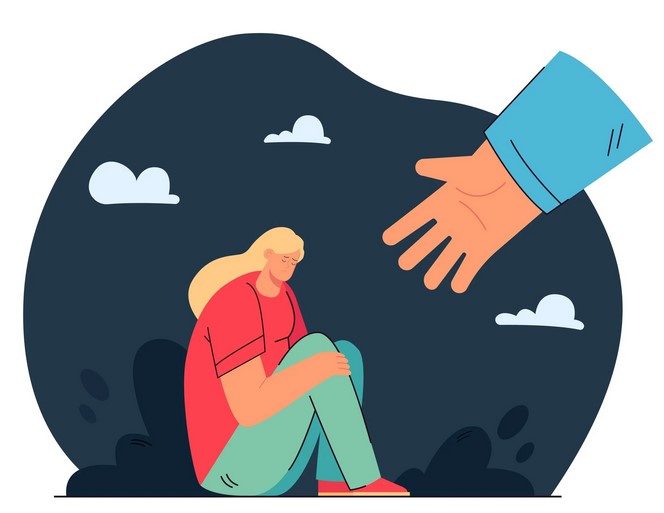
Imagine waking up, but the world has lost its color. It’s not that you’re “sad”—sadness implies a temporary reaction to a bad day. This is different. It’s a heavy, leaden exhaustion that makes a simple task like brushing your teeth feel like climbing Mount Everest. You’re surrounded by people who love you, yet you feel like you’re shouting from the bottom of a deep, dark well, and no one can hear you.
In my decade of working in health communication and mental health advocacy, I’ve sat with many who describe this exact “invisible weight.” I’ve learned that the hardest step isn’t actually “getting better”—it’s the five-second decision to start seeking help for depression.
Many people wait until they are in a total crisis to reach out. But I’ve observed that mental health is a spectrum, and you don’t need to be “at the end of your rope” to deserve a ladder. This guide is about finding that ladder and understanding the professional machinery designed to help you climb out.
The “Broken Leg” Analogy: Why Willpower Isn’t Enough
If you fell and broke your leg, would you try to “think” the bone back together? Would you tell yourself to “just walk it off” or feel ashamed that you couldn’t run a marathon? Of course not. You would go to an orthopedic surgeon because a physical structure is compromised.
Depression is remarkably similar. It involves a biological shift in neurotransmitters—the chemical messengers in your brain like serotonin, dopamine, and norepinephrine. When these are out of balance, your “mental hardware” is malfunctioning. Seeking help for depression isn’t an admission of weakness; it’s a medical necessity to repair the hardware so your “software” (your thoughts and emotions) can run smoothly again.
Identifying the Signs: When Does “Blues” Become Clinical?
Understanding when to transition from “self-care” to “professional care” is vital. While we all have bad days, clinical depression (Major Depressive Disorder) is defined by its persistence.
-
Duration: Symptoms lasting longer than two weeks.
-
Anhedonia: A technical term for the loss of interest in things you once loved (hobbies, food, or social connection).
-
Physical Manifestations: Significant changes in sleep (insomnia or oversleeping), appetite shifts, or unexplained body aches.
-
Cognitive Fog: Difficulty concentrating or making simple decisions, often referred to as “brain fog.”
Navigating the System: Who Should You Talk To?
One of the biggest hurdles in seeking help for depression is the confusing alphabet soup of mental health professionals. Let’s break down the roles so you can find the right fit.
1. The Primary Care Physician (PCP)
Your family doctor is often the best “entry point.” They can perform blood tests to rule out physical causes for your symptoms, such as thyroid imbalances or Vitamin D deficiencies, which can mimic depression.
2. Psychologists and Counselors (The “Talk” Experts)
These professionals focus on Psychotherapy. They use evidence-based techniques to help you reframe thought patterns.
-
Cognitive Behavioral Therapy (CBT): Focuses on the link between thoughts, feelings, and behaviors.
-
Dialectical Behavior Therapy (DBT): Excellent for emotional regulation.
3. Psychiatrists (The Medical Experts)
Psychiatrists are medical doctors (MDs) who specialize in the biological side of mental health. They are the ones who can prescribe antidepressants (like SSRIs or SNRIs).
Expert Insight: I’ve noticed a common fear that medication will “change your personality.” In reality, when correctly prescribed, medication acts like a pair of glasses. It doesn’t change the world; it just helps you see it clearly enough to use the tools you learn in therapy.
Expert Advice: Finding the Right “Therapeutic Alliance”
After years of observing patient-provider dynamics, I’ve realized that the most important factor in recovery isn’t the doctor’s degree—it’s the Therapeutic Alliance. This is the bond of trust between you and your provider.
-
Tips Pro: The “Interview” Phase. You are allowed to “shop around.” I always suggest having a brief consultation with at least two or three therapists. Ask them about their approach and see if you feel “heard.” If you don’t feel a connection after three sessions, it’s okay to move on.
-
(The Hidden Warning): Be wary of the “Relapse Myth.” Many people start seeking help for depression, feel better after a month, and abruptly stop their treatment or medication. This often causes a “rebound effect” where symptoms return even stronger. Always taper off medication under a doctor’s supervision.
Scannable Steps to Start Your Recovery Journey
If you are ready to reach out but feel overwhelmed, follow this simple checklist:
-
Document Your Symptoms: Keep a small note on your phone for three days. What time do you feel lowest? How is your appetite? This data is gold for your first appointment.
-
Check Your Insurance: Use your provider’s portal to find “In-Network” mental health professionals to avoid surprise bills.
-
Leverage Telehealth: If the idea of leaving the house feels impossible, many high-quality platforms offer video therapy from the comfort of your couch.
-
Reach Out to a “Gatekeeper”: If you can’t call a doctor, tell one trusted friend: “I’m struggling and I need help finding a professional. Can you help me make the call?”
The Role of Lifestyle in Support Systems
While professional intervention is the foundation, seeking help for depression also involves creating a supportive environment. This isn’t about “curing” yourself with yoga, but about providing your brain with the best possible conditions to heal.
-
Circadian Rhythm Regulation: Try to get 10 minutes of morning sunlight. This helps regulate your biological clock and serotonin production.
-
Low-Stakes Movement: You don’t need a gym. A 10-minute walk around the block is a “win.”
-
Nutrition: Focus on anti-inflammatory foods. Research into the “Gut-Brain Axis” shows that what we eat directly impacts our mood-regulating neurochemicals.
Conclusion: The First Step is the Bravest
Depression is a liar. It whispers that you are alone, that you are a burden, and that things will never change. But as someone who has witnessed the incredible resilience of the human spirit for over a decade, I can tell you: those whispers are wrong.
Seeking help for depression is the ultimate act of self-advocacy. It is a declaration that your life has value and that you are willing to fight for the version of yourself that can see the colors of the world again.
If you feel comfortable sharing, what is one barrier that has kept you from reaching out in the past? Or, if you’ve already started your journey, what was the “turning point” that made you decide to seek support? Let’s support each other in the comments below.
If you or someone you know is in immediate danger or having thoughts of self-harm, please contact your local emergency services or a crisis hotline immediately (such as 988 in the US or your local equivalent).