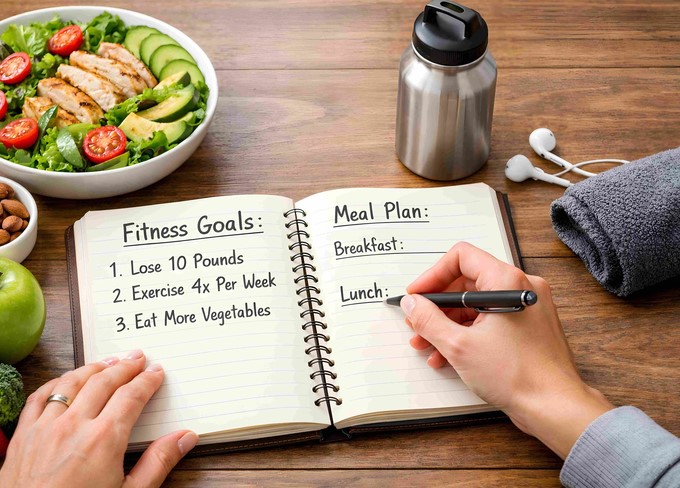
Picture this: It’s 7:00 PM on a grueling Tuesday. You’re exhausted from back-to-back meetings, staring blankly into an empty refrigerator. Your willpower is completely shot, and within five minutes, you’re on a delivery app ordering a high-calorie burger combo that completely derail your health goals for the week.
Over my ten-year career as a health writer working alongside clinical dietitians and metabolic specialists, I’ve seen this exact scenario play out thousands of times. The biggest myth in sustainable fat loss isn’t a lack of discipline; it’s decision fatigue. When you leave your daily nutrition to chance, biologically driven hunger will almost always win over logical intentions.
If you are tired of the chaotic cycle of crash dieting, calorie obsession, and late-night food guilt, the solution isn’t another restrictive fad. Effective meal planning for weight loss is about designing a predictable environment where healthy choices become your path of least resistance. Let’s dive into how you can eat smart, streamline your kitchen, and drop pounds without sacrificing your sanity.
The Science of Smart Preparation: Why Meal Planning Works
At its core, successful weight loss requires a consistent, moderate caloric deficit—consuming slightly fewer calories than your body burns for daily energy. However, keeping your metabolism happy while losing body fat requires a delicate balance of key macronutrients (protein, carbohydrates, and dietary fats).
To understand why batch prepping works so well on a cellular and psychological level, consider the “Financial Budget” analogy.
Impulsive Daily Eating:
[Unplanned Meals] ---> High Risk of Emotional Overspending (Calorie Spikes) ---> Metabolic Bankruptcy

Strategic Meal Planning:
[Pre-Allocated Meals] ---> Precise Calorie & Nutrient Investment ---> Long-Term Fat Loss Dividend
If you manage your bank account by making random, emotional purchases all day without checking your balance, you’ll inevitably end up broke at the end of the month. Meal planning acts like an automatic savings plan for your body. By pre-allocating your daily nourishment, you prevent metabolic “overspending” and ensure your body receives high-grade fuel every single day.
Building a Balanced Plate: The Nutrient Blueprint
When structuring meals for fat loss, the goal isn’t starvation—it’s satiety. You want to optimize your biological hunger hormones, specifically suppressing ghrelin (the hunger signal) while elevating leptin and peptide YY (the fullness signals).
1. Lean Protein: The Thermogenic Powerhouse
Protein is non-negotiable when planning for fat loss. It preserves lean muscle mass, keeps you full for hours, and boasts the highest Thermic Effect of Food (TEF). Your body spends up to 30% of the calories consumed from protein just digesting and breaking it down!
-
Top Choices: Chicken breast, turkey, wild-caught white fish, eggs, tofu, tempeh, and Greek yogurt.
2. High-Volume Fibrous Carbohydrates
Carbohydrates are not the enemy, but the type matters immensely. Complex carbohydrates high in viscous dietary fiber slow down gastric emptying, stabilizing blood glucose levels and curbing sudden insulin spikes.
-
Top Choices: Broccoli, cauliflower, spinach, sweet potatoes, quinoa, brown rice, and berries.
3. Essential Healthy Fats
Dietary fats are vital for natural hormone production, including thyroid and sex hormones, and aid in the absorption of fat-soluble vitamins (A, D, E, and K).
-
Top Choices: Extra virgin olive oil, wild avocados, raw almonds, chia seeds, and walnuts.
Hidden Warning: Watch out for “salad traps.” A bowl of leafy greens can quietly skyrocket into a 1,000-calorie meal if you douse it in store-bought creamy dressings, sugary dried fruit, and heavy candied nuts. Always measure your fats and opt for homemade vinaigrettes using olive oil and lemon juice.
4 Strategic Steps for Meal Planning for Weight Loss
You don’t need to spend eight hours every Sunday standing over a hot stove to master meal planning for weight loss. A streamlined, practical approach takes less than two hours a week.
Step 1: Calculate Your Baseline Energy Needs
Before cooking, estimate your Total Daily Energy Expenditure (TDEE) using a basic online calculator. To achieve steady fat loss without stalling your metabolism, aim for a conservative deficit of 300 to 500 calories below your maintenance level.
Step 2: Choose the “Component Method” Over Rigid Recipes
Instead of cooking five separate, elaborate recipes that require dozens of ingredients, prep individual nutrient components in bulk. This keeps your meals versatile and prevents taste-bud boredom.
-
Roast 2-3 Protein Sources: E.g., a tray of seasoned chicken thighs and a pan of baked tofu.
-
Roast Sheets of Vegetables: E.g., mixed bell peppers, zucchini, and asparagus tossed in light olive oil.
-
Batch-Cook One Whole Grain: E.g., a large pot of quinoa or jasmine rice.
Mix-and-Match Strategy:
[Protein Choice] + [Roasted Veggies] + [Complex Carb] + [Flavorful Spice/Sauce] = Fast, Healthy Meal
Step 3: Invest in High-Quality Airtight Containers
The right gear keeps prepped food fresh, appealing, and safe to eat throughout the week. Choose glass, BPA-free meal prep containers with leak-proof lids and internal compartment dividers.
Pro Tip: Use the “Freezer Buffer Zone.” Cook four portions of a hearty turkey chili or lentil stew, eat two this week, and freeze two for next week. Over time, you build a ready-to-eat library of healthy meals for emergency nights when you have zero time to cook.
Step 4: Portion Out Snacks Intentionally
Unplanned snacking between meals is where most fat-loss efforts derail. Portion out low-calorie, high-protein snacks into individual grab-and-go bags ahead of time so you never reach for office donuts.
-
Pre-portioned raw almonds (15-20 nuts).
-
Single-serve cups of low-fat cottage cheese with sliced cucumbers.
-
Hard-boiled eggs sprinkled with black pepper and sea salt.
Sample High-Satiety Meal Plan Framework
Use this structured daily blueprint to inspire your own weekly menu planning. It balances sustained metabolic energy with flexible, satisfying foods:
| Meal Timing | Component Focus | Meal Example |
| Breakfast | High Protein + Healthy Fats | 3 scrambled eggs with spinach, tomatoes, and 1/4 avocado on whole-grain toast |
| Lunch | High Volume Fiber + Lean Protein | Prepped grilled chicken breast over quinoa, roasted broccoli, and 1 tbsp olive oil vinaigrette |
| Mid-Afternoon Snack | Protein + Slow-Digesting Fiber | Plain Greek yogurt mixed with a scoop of protein powder and fresh blueberries |
| Dinner | Complex Carbs + Lean Fish | Baked salmon fillet served alongside roasted sweet potato wedges and steamed asparagus |
Overcoming Common Meal Planning Pitfalls
Throughout my decade evaluating diet strategies, I’ve found that consistency fails when people make their routine too rigid.
If eating cold, dry chicken breast and plain broccoli out of plastic containers feels like punishment, you won’t stick to it for more than ten days. Spice up your proteins with low-calorie marinades like garlic herb, smoked paprika, lemon pepper, or hot sauce.
Weight loss is not a linear sprint; it’s a long-term habit transformation. If an unexpected event ruins your prepped dinner plan on a Thursday, don’t throw away the entire week. Simply reset, enjoy your meal, and return to your prepped baseline at your very next bite.
What is your biggest hurdle when it comes to planning your meals for the week? Is it finding time on weekends, battling picky eaters at home, or getting bored of eating leftovers? Drop your thoughts in the comments below—let’s problem-solve your kitchen routine together!