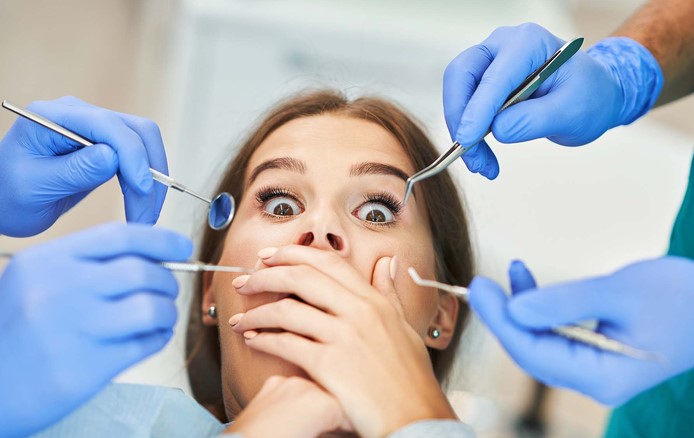
The distinctive smell of antiseptic hits your nose the second you push open the clinic door. From down the hallway, the sharp, high-pitched whine of a dental drill echoes through the waiting area. Instantly, your palms begin to sweat, your heart hammers against your ribs, and every instinct in your brain screams at you to turn around and walk away.
If this scenario sounds intimately familiar, you are far from alone. In my over ten years working as a health writer and collaborating with clinical professionals, I have interviewed dozens of dental practitioners and hundreds of patient advocates. I have learned that up to 36% of the population suffers from genuine dental fear, with a significant portion experiencing severe odontophobia—an overwhelming, irrational dread of dental procedures.
Neglecting your oral health due to fear creates a destructive loop: avoiding routine cleanings leads to unchecked decay, which eventually requires the exact complex treatments you were trying to avoid. Learning practical dental anxiety coping tips is not just about making appointments bearable; it is a vital step toward protecting your systemic physical health.
The Neurobiology of Dental Dread: Why Your Brain Triggers Panic
To master dental fear, you must first understand what is happening inside your central nervous system. Dental anxiety is rarely just about physical pain—it is fundamentally about a loss of personal control, physical vulnerability, and sensory overload.
When you lie flat in a dental chair with an overhead lamp shining into your eyes and a practitioner leaning over your face, your brain perceives a severe threat. Your amygdala—the brain’s emotional threat detection center—fires off distress signals that trigger your sympathetic nervous system.
This reaction flood your bloodstream with cortisol and epinephrine (adrenaline), shifting your body into a physiological “fight-or-flight” state long before any instrument even touches your teeth.
The False Alarm Analogy: Think of your nervous system during a panic onset as an ultra-sensitive home smoke detector. Instead of blaring only when there is a dangerous house fire, it goes off at full volume simply because you burned a slice of toast. Dental anxiety causes your brain to treat a routine, protective checkup as if it were a physical attack.
Practical Mindset and Physical Shifts: Proven Dental Anxiety Coping Tips
Over my decade in health writing, I have analyzed numerous cognitive-behavioral strategies designed to calm a hyper-reactive nervous system. Here are the most effective, field-tested dental anxiety coping tips you can implement before and during your next appointment.
1. Establish a Non-Verbal Stop Signal
The sense of helplessness is the primary fuel for panic. Before the dentist begins any examination or treatment, agree on a clear hand gesture—such as raising your left hand—that signals them to instantly stop working, remove all instruments, and give you a moment to breathe. Knowing you hold total control over the pace immediately lowers baseline anxiety.
2. Practice Diaphragmatic “Box Breathing”
Shallow, rapid chest breathing during stress alters your blood chemistry by blowing off too much carbon dioxide, which exacerbates feelings of dizziness and panic.
-
Inhale: Breathe in slowly through your nose for a count of 4 seconds, allowing your abdomen to expand.
-
Hold: Pause your breath gently for 4 seconds.
-
Exhale: Release the air through your mouth for 4 seconds.
-
Hold: Pause again for 4 seconds before your next breath.
Repeat this cycle for 2 to 3 minutes in the waiting room to activate your vagus nerve, forcing your heart rate to slow down and signaling safety to your brain.
3. Mitigate Sensory Overload
Modern dental clinics use sensory adaptation tools to minimize triggers:
-
Noise-Canceling Headphones: Stream a captivating audiobook, a gripping podcast, or brown noise to block out the high-frequency sounds of dental scaling tools.
-
Weighted Blankets or Lap Pads: Deep pressure therapy stimulates the release of serotonin and calms motor restlessness in the chair.
-
Dark Sunglasses: Protect your eyes from intense overhead glare while giving you a psychological barrier of privacy.
Communicating with Your Dental Team: Finding the Right Practitioner
Not all dental practices are equipped to handle anxious patients. One of the most important dental anxiety coping tips is to audition your clinic before you ever sit in the operational chair.
Look for practices that market themselves as “sedation dentists” or explicitly highlight “patient-centered, trauma-informed care.” Schedule an initial consultation that takes place in a standard private office rather than the treatment room—this allows you to discuss your medical history, past negative experiences, and anxieties without feeling vulnerable.
+------------------------+------------------------------------+--------------------------------------+
| Sedation Option        | Awareness Level                    | Best Suited For                      |
+------------------------+------------------------------------+--------------------------------------+
| Nitrous Oxide ("Gas")  | Fully conscious, highly relaxed    | Mild to moderate anxiety, gag reflex |
| Oral Sedation (Pills)  | Drowsy, light sleep-like state     | Moderate to severe fear, long visits |
| IV Sedation            | Deep relaxation, partial amnesia   | Severe phobia, complex surgery       |
+------------------------+------------------------------------+--------------------------------------+
Expert Advice: Pro Tips and Hidden Pitfalls
Managing severe phobias requires a strategic approach that addresses both psychological habits and physiological responses.
Pro Tip: Schedule First-Thing-in-the-Morning Appointments
Booking your dental visit for the earliest possible slot eliminates the “anticipatory anxiety window.” If your appointment is at 4:00 PM, your brain has eight full hours during the workday to build up scenarios of dread, elevating your baseline cortisol. A 8:00 AM visit lets you get in, get treated, and move on with your day before anxiety takes root.
Hidden Warning: Watch Your Pre-Appointment Caffeine Intake
Drinking a large iced coffee or energy drink right before your appointment to “wake up” is a recipe for a panic attack. Caffeine is a central nervous system stimulant that elevates your resting heart rate, increases muscle tension, and mimics the exact physiological symptoms of panic. Stick to water or chamomile tea on the morning of your visit.
Taking Control of Your Oral Health Journey
Over my ten years of researching health behaviors, I have discovered that courage is not the total absence of fear—it is having the tools to navigate that fear effectively.
Applying these dental anxiety coping tips allows you to break the cycle of avoidance, protecting not just your smile, but your long-term cardiovascular and systemic health. Take the process one small step at a time, communicate openly with your practitioner, and remember that you are always in complete control of your care.